- Electrical Circuit Breaker Buyer - Competitive Rates
- (951) 403-5738
- industrial832@gmail.com


Bus Plug Buyer in Illinois
Bus Plug Buyer in Idaho
August 8, 2025Bus Plug Buyer in Indiana
August 8, 2025Bus Plug Buyer in Illinois – Sell Used and Surplus Bus Plugs
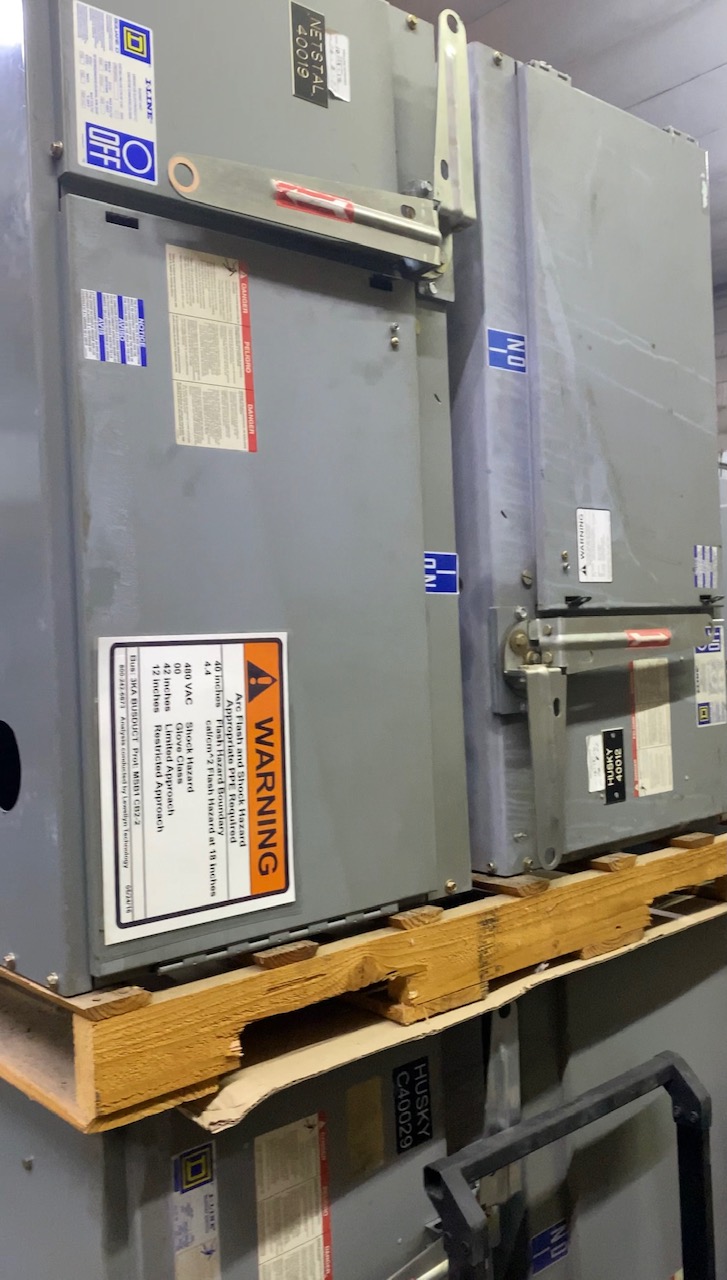
Call (951) 403-5738 or Fill Out Our Quick Form for a Free Cash Quote
Sell Bus Plugs from Illinois Facilities, Contractors, Warehouses, and Industrial Projects
Surplus bus plugs can become a valuable recovery opportunity when an Illinois facility upgrades electrical distribution, shuts down a production area, clears old maintenance inventory, or removes busway equipment during a renovation. If you are searching for a dependable Bus Plug Buyer in Illinois, Surplus Equipment Buyers can review your used, obsolete, surplus, decommissioned, boxed, palletized, or removed bus plugs and help you understand the next step. We work with sellers who need a serious equipment buyer, clear communication, and a simple quote process instead of slow online listings, uncertain buyers, or equipment sitting in storage for years.
Bus plugs are commonly used in commercial and industrial properties that rely on busway or bus duct systems to distribute power across production areas, warehouse floors, machine lines, retail spaces, institutional buildings, and mechanical rooms. When equipment layouts change, electrical systems are upgraded, or a facility is repurposed, the leftover bus plugs may no longer be needed onsite. However, many of those units may still have resale, parts, replacement, or material recovery value depending on brand, condition, configuration, amperage, voltage, completeness, and current demand.
Surplus Equipment Buyers purchases bus plugs from electrical contractors, facility managers, plant operators, warehouse owners, demolition contractors, maintenance teams, commercial property managers, institutional facilities, manufacturers, data-related facilities, and businesses handling surplus electrical equipment. Whether you have a single bus plug, a mixed group of removed units, or several pallets from a large Illinois project, our team can review the information and let you know whether the equipment qualifies for purchase.
As a Bus Plug Buyer in Illinois, we serve customers throughout the state through remote quote review, photo evaluation, shipping coordination, freight planning, and pickup coordination when appropriate. We do not claim to have a local Illinois office unless verified, but we do help Illinois sellers move surplus bus plugs and related electrical equipment through a practical buying process. This includes sellers in Chicago, Aurora, Joliet, Naperville, Rockford, Elgin, Peoria, Springfield, Champaign, Decatur, Waukegan, Bloomington, Cicero, Schaumburg, and surrounding industrial and commercial areas.
Illinois has a strong mix of manufacturing, logistics, food processing, warehousing, education, healthcare, municipal, and commercial property activity. Many of these buildings depend on electrical infrastructure that changes over time. When bus plugs are removed from a facility, they should not automatically be treated as scrap or waste. A knowledgeable buyer can review the equipment first and determine whether the lot may be worth purchasing.

America’s Go-To Bus Plug Buyer in Illinois
Call (951) 403-5738 or Email industrial832@gmail.com
What We Offer as a Bus Plug Buyer in Illinois
Surplus Equipment Buyers gives Illinois sellers a direct way to sell bus plugs without the delays that often come with auctions, classified ads, general scrap yards, and one-off marketplace buyers. Our process is built for people who already have equipment to sell and want a real review from a company that understands industrial electrical surplus.
Our Bus Plug Buyer in Illinois service includes equipment review, quote consideration, communication about required details, and logistics coordination when the equipment matches our buying criteria. We can review single units, small lots, mixed brands, boxed inventory, palletized bus plugs, and larger electrical surplus packages. If your lot includes circuit breakers, disconnects, panelboards, switchgear, bus duct, transformers, starters, electrical cabinets, or related industrial equipment, include those details in your request so the broader opportunity can be reviewed.
The goal is not to make the process complicated. We ask for clear photos, nameplate images, model numbers, brand information, amperage, voltage, quantity, condition notes, and location details. When that information is available, it is easier to determine whether a quote can be prepared and what shipping, freight, or pickup coordination may involve.
If your project includes other industrial surplus equipment, our Industrial Equipment Buyer page may be helpful. If your inventory is focused specifically on bus plug equipment, our main Bus Plug Buyer page provides additional information about the buying category.
Why Choose Surplus Equipment Buyers for Bus Plugs in Illinois?
A bus plug is not ordinary scrap. Even if it is no longer useful to your facility, it may still be useful to another business, contractor, repair project, replacement need, or electrical surplus buyer. General scrap pricing may overlook details that matter, including brand, amperage, voltage, configuration, enclosure condition, fuse or breaker type, compatibility, and whether the unit is complete.
The secondary market for bus plugs exists because many buildings still use busway systems and may need compatible parts. Older systems may be difficult to support through normal supply channels, and replacement components can be useful when they are properly identified. That is why nameplates, model numbers, and clear photos can make a major difference during quote review.
Illinois sellers often deal with practical site conditions that affect logistics. A bus plug lot may be located in a manufacturing plant, warehouse rack, mechanical room, industrial yard, school maintenance area, hospital facility, food processing plant, distribution center, or construction staging area. Some sites have loading docks and forklifts. Others require scheduled freight access, palletizing, elevator coordination, building manager approval, or special hours to avoid interrupting operations.
You can expect:
- Direct equipment review based on bus plug details, condition, and current demand
- Clear communication about what photos, labels, and specifications are useful
- Review of single units, small lots, and bulk quantities when the equipment matches our buying criteria
- Shipping, freight, or pickup coordination depending on size, packaging, location, and access
- Support for mixed electrical surplus including breakers, panels, disconnects, switchgear, bus duct, and transformers
What We Buy
Our Bus Plug Buyer in Illinois team reviews many types of bus plugs used in commercial, institutional, and industrial power distribution systems. If you are unsure exactly what you have, send photos of the front, side, handle, connection area, labels, and nameplate. Even when a label is worn, a clear photo may help identify the equipment.
- Fusible bus plugs
- Non-fusible bus plugs
- Breaker-type bus plugs
- Switch-type bus plugs
- Plug-in busway units
- Bolt-on bus plug styles
- Interlock-style units
- Indoor-rated bus plugs
- Outdoor-rated bus plugs
- 100A, 200A, 400A, 600A, 800A, and larger units case by case
- Bus plugs removed from remodels, shutdowns, plant upgrades, and decommissioning projects
- Mixed electrical surplus lots that include bus plugs and related electrical equipment
We review major brands such as Square D, Siemens, GE, Eaton, Cutler-Hammer, ITE, Westinghouse, Schneider Electric, Federal Pacific, and other electrical manufacturers. Some brands and models may have stronger demand than others, but many older or discontinued units are still worth reviewing when they are complete and identifiable.
You do not need to clean, repair, or test the equipment before contacting us. However, you should avoid removing nameplates or stripping parts before review. A complete bus plug with a readable label is usually easier to evaluate than a stripped unit without identification.
Illinois Projects and Sellers We Commonly Help
Illinois has a large base of industrial, commercial, institutional, and public-sector properties where bus plugs may become surplus after electrical changes. A warehouse may reconfigure power distribution for new equipment. A manufacturing plant may shut down a line. A school district may clear older maintenance inventory. A hospital may replace electrical components during a modernization project. A demolition contractor may remove busway equipment before a property is redeveloped.
Common seller types include:
- Electrical contractors with leftover or removed bus plugs
- Manufacturing plants replacing or reconfiguring electrical systems
- Warehouse and logistics facilities clearing unused electrical inventory
- Food processing, packaging, and production facilities with removed bus plugs
- Commercial property owners handling tenant improvements or building upgrades
- Demolition contractors removing electrical assets before teardown
- Schools, hospitals, universities, municipalities, and public facilities
- Maintenance departments with shelves of unused electrical parts
- Industrial contractors with mixed surplus from completed projects
- Facility closure, relocation, and liquidation teams
Because Illinois has major industrial corridors and dense commercial areas, sellers may have very different logistics needs. A Chicago-area building may require scheduled loading access, building approval, dock timing, or freight elevator coordination. A downstate warehouse or plant may have easier yard access but larger quantities to move. A rural facility may require more detailed pickup planning. Telling us the site conditions early helps avoid delays.
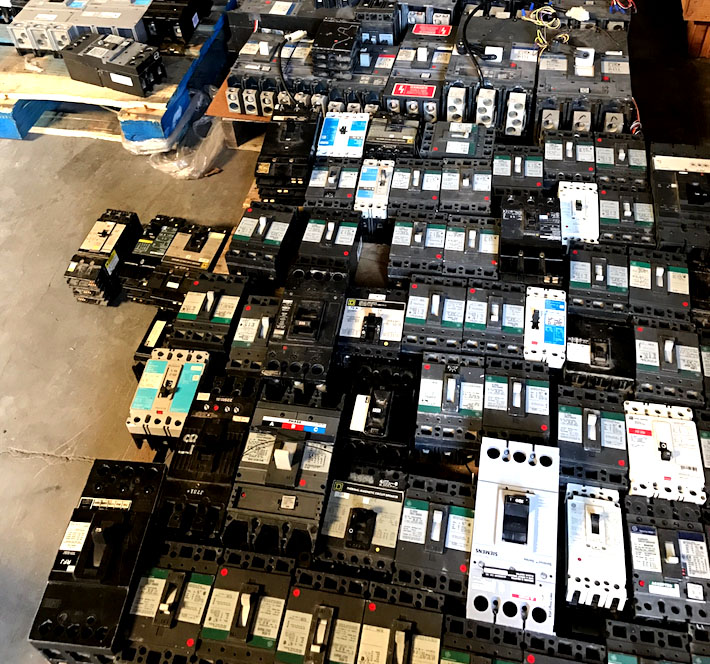
Sell Bus Plugs to a Professional Bus Plug Buyer in Illinois
Call (951) 403-5738 or Use Our Seller Form
How to Sell to Our Bus Plug Buyer in Illinois Team
Selling bus plugs should not require a long, confusing process. Start by sending the equipment details, and we will let you know what additional information is needed. You do not need to create a public listing or wait for uncertain buyers to respond.
- Send your bus plug details. Call (951) 403-5738, email industrial832@gmail.com, or submit the Seller Form. Include photos, brand, model, amperage, voltage, quantity, condition, and Illinois pickup or shipping location when available.
- We review the equipment. Our team checks the details and may ask for additional photos, label images, nameplate close-ups, pallet information, or access details.
- You receive a quote or next-step response. If the bus plugs match our buying criteria, we provide a purchase offer based on the equipment and logistics involved.
- Pickup or shipping is coordinated. Smaller lots may ship, while larger lots may require freight, palletizing, scheduled pickup, or facility access coordination.
- Payment is arranged according to agreed terms. Once the equipment transfer and verification details are confirmed, payment is handled according to the accepted arrangement.
If the bus plugs are still installed, let us know. Installed units may require coordination with an electrician, contractor, property manager, or facility maintenance team before they can be removed. If the bus plugs are already disconnected and palletized, include photos of the pallets and close-up photos of the labels.
Information That Helps Us Quote Faster
A strong quote request gives us enough information to identify the equipment and understand the logistics. If you only have a few details, send them anyway. A photo-based review can often begin before a full inventory list is prepared.
Helpful details include:
- Photos of each bus plug or the full lot
- Close-up photos of nameplates, model tags, labels, and ratings
- Brand or manufacturer
- Amperage rating
- Voltage rating
- Fusible, non-fusible, breaker-type, or switch-type configuration
- Condition notes, including rust, missing covers, damaged handles, or missing labels
- Quantity of each model or size
- Whether the units are loose, boxed, palletized, or still installed
- Pickup or shipping location in Illinois
- Loading dock, forklift, pallet jack, freight access, or appointment requirements
For larger lots, grouped photos can be very helpful. If you have ten of one model and five of another, place similar units together and photograph the group along with one clear nameplate example. If the lot is already wrapped on pallets, include pallet dimensions, estimated weight, and any available inventory list.
How We Price Used and Surplus Bus Plugs
As an experienced Bus Plug Buyer in Illinois, we consider more than just scrap weight. Bus plug value can depend on brand, model, amperage, voltage, condition, demand, quantity, completeness, configuration, and shipping or pickup requirements. Some units may be desirable because they match busway systems still used in commercial and industrial facilities. Others may have lower value if they are damaged, incomplete, heavily modified, or difficult to identify.
Clean, complete, and labeled units are usually easier to review. A readable nameplate can help confirm the model, rating, and manufacturer. An intact housing, handle, and connection area may also improve evaluation. If the unit has damage, missing pieces, or corrosion, include photos so the offer reflects the actual condition.
Quantity can also affect logistics. A single valuable bus plug may be worth reviewing, while a palletized lot can create a more efficient pickup or freight opportunity. However, bigger is not always better. A smaller lot of desirable models can sometimes be more attractive than a larger lot of damaged or unidentified equipment.
Bus Plug Lots from Renovations, Plant Upgrades, and Facility Closures
Illinois sellers often contact us when a facility project creates electrical surplus. A manufacturing plant may remove bus plugs after rearranging machinery. A distribution center may modify power distribution for new conveyor systems. A commercial building may remove older busway after a tenant change. A school, hospital, or municipal building may upgrade electrical systems and have old components available for sale.
If your bus plugs came from a renovation, shutdown, demolition, or decommissioning project, try to keep them organized. Do not remove labels. Do not strip useful parts before review. Do not mix bus plugs into general scrap if they can be separated. Group similar units together and take clear photos before loading, wrapping, or transporting the lot.
For larger electrical surplus packages, you may also want to review our Sell Used Bus Plugs page. If your surplus includes other electrical assets, send the full list so our team can review the project more completely.
Why Selling Directly Can Save Time
Selling bus plugs one at a time can take more time than many businesses expect. Online listings may attract unqualified buyers, low offers, shipping questions, and messages that never turn into a sale. Auctions can be slow and uncertain. General recyclers may overlook resale potential. A direct buyer can help simplify the process.
Selling directly to Surplus Equipment Buyers may help you:
- Clear storage space in warehouses, plants, electrical rooms, maintenance areas, and contractor yards
- Avoid slow public listings and repetitive buyer conversations
- Bundle related electrical surplus for a broader equipment review
- Move equipment faster when a project deadline, property sale, or facility closure matters
- Recover value from equipment that may otherwise sit unused
- Coordinate logistics more efficiently for palletized or larger lots
Pickup and Shipping Considerations in Illinois
Pickup and shipping depend on quantity, packaging, site access, weight, and equipment type. Smaller lots may be shipped more easily. Larger lots may require pallets, freight dimensions, weight estimates, pickup windows, and loading equipment. If you have a loading dock, forklift, pallet jack, or warehouse staff available, include that information with your quote request.
Illinois pickup planning can vary by region. In the Chicago area, dock scheduling, traffic, building management rules, limited pickup windows, and freight access may affect timing. In industrial areas near Joliet, Rockford, Aurora, Peoria, Decatur, or Springfield, larger facility access may be easier but still requires planning. Rural or remote facilities may require additional coordination for freight routing and loading.
If loading equipment is not available, say so early. Lack of a forklift does not automatically stop a project, but it changes the planning. If the equipment is stored in a basement, mezzanine, office building, production area, trailer, storage container, fenced yard, or back room, include those details so the logistics can be reviewed properly.
Common Mistakes to Avoid Before Selling Bus Plugs
Before contacting a Bus Plug Buyer in Illinois, avoid doing anything that makes the equipment harder to identify or reduces its possible value. Do not remove nameplates, rating labels, handles, covers, or identifying tags. Do not strip parts before getting the equipment reviewed. Do not place bus plugs into a mixed scrap pile if they can be kept separate.
Avoid waiting until the last day of a project if you can contact us earlier. Equipment sales and pickup coordination are easier when there is time to review the lot, confirm interest, discuss value, and plan transfer. If your project is already under a deadline, still send the details, but earlier communication usually creates better options.
Also avoid assuming that old or obsolete bus plugs have no value. Some older models are useful because they match systems still operating in commercial or industrial buildings. If the units are complete and identifiable, they may be worth reviewing even if they are no longer needed at your facility.
Ready for an Offer from a Bus Plug Buyer in Illinois?
If you have used, surplus, obsolete, or decommissioned bus plugs ready to sell, Surplus Equipment Buyers can review your equipment and help you understand the next step. Our Bus Plug Buyer in Illinois service is built for commercial, industrial, institutional, contractor, and facility sellers who want practical communication and a serious equipment review.
Call (951) 403-5738, email industrial832@gmail.com, or complete the Seller Form to request a free quote. Send photos, nameplate details, quantity, condition, and location. If the lot includes other electrical surplus, include those items too so the full opportunity can be reviewed.
To learn more about Surplus Equipment Buyers, visit our About Us page.
FAQ – Bus Plug Buyer in Illinois
- What details should I send for a bus plug quote?
Send photos, nameplate images, quantity, brand, amperage, voltage, condition notes, and location. If you only have partial information, clear photos can still start the review. - Do you buy older bus plugs in Illinois?
Yes. Older bus plugs may still have value when they are complete, identifiable, and compatible with busway systems still in use. - Do I need to test the bus plugs first?
No. Testing is not required to request a quote. If you know whether the units were working when removed, include that information. - Can I sell one bus plug?
Yes. We review single units, small groups, palletized lots, and larger inventory packages. - Do you buy bulk bus plug inventory?
Yes. Bulk lots can be reviewed when you provide photos, counts, model details, and Illinois location information. - Who handles pickup or shipping?
Pickup or shipping depends on the size, location, and packaging of the lot. Smaller lots may ship, while larger lots may require freight or coordinated pickup. - How is payment handled?
Payment terms are discussed before the sale is finalized and depend on the accepted quote, transfer method, and verification process. - Which brands do you review?
We commonly review Square D, Siemens, GE, Eaton, Cutler-Hammer, ITE, Westinghouse, Schneider Electric, Federal Pacific, and other electrical equipment brands. - Do you buy from schools, hospitals, or public agencies?
Yes. We can review bus plugs from schools, hospitals, municipalities, public agencies, universities, and institutional facilities when the equipment is available for sale. - What if the bus plugs are still installed?
Let us know before removal. Installed equipment may require coordination with your electrician, contractor, building manager, or facility team. - Do you buy damaged bus plugs?
Yes. Damaged units may still qualify for review, but missing parts, rust, broken handles, or unreadable labels can affect value. - Can I include other electrical surplus with my bus plugs?
Yes. We review mixed lots that may include circuit breakers, panels, disconnects, switchgear, bus duct, transformers, and related equipment. - Do you buy bus plugs from demolition projects?
Yes. Demolition, renovation, and decommissioning projects often produce bus plugs and related electrical surplus. Keep the equipment organized when possible. - Should I remove labels or nameplates before selling?
No. Keep all labels and nameplates attached. They help identify the equipment and can make quote review faster. - Do outdoor-rated bus plugs have resale value?
Outdoor-rated bus plugs may have value depending on brand, condition, amperage, voltage, completeness, and demand. - What affects the value of my bus plugs?
Value may depend on brand, model, amperage, voltage, condition, quantity, completeness, current demand, packaging, and logistics. - Can I sell bus plugs from a facility closure?
Yes. Facility closures, relocations, tenant improvements, plant upgrades, and warehouse cleanouts are common reasons sellers contact us. - Do you serve all areas of Illinois?
Yes. We can review bus plug opportunities from sellers throughout Illinois through remote quote review and coordinated shipping or pickup options. - Can you review a large lot with several different models?
Yes. Mixed-model lots can be reviewed. Grouped photos, counts, and nameplate images help speed up the process. - How do I start today?
Call (951) 403-5738, email industrial832@gmail.com, or use the Seller Form to send photos and equipment details.
