- Electrical Circuit Breaker Buyer - Competitive Rates
- (951) 403-5738
- industrial832@gmail.com


Bus Plug Buyer in New Hampshire
Bus Plug Buyer in Nevada
August 9, 2025Bus Plug Buyer in New Jersey
August 9, 2025Bus Plug Buyer in New Hampshire – Fast Quotes for Used and Surplus Bus Plugs
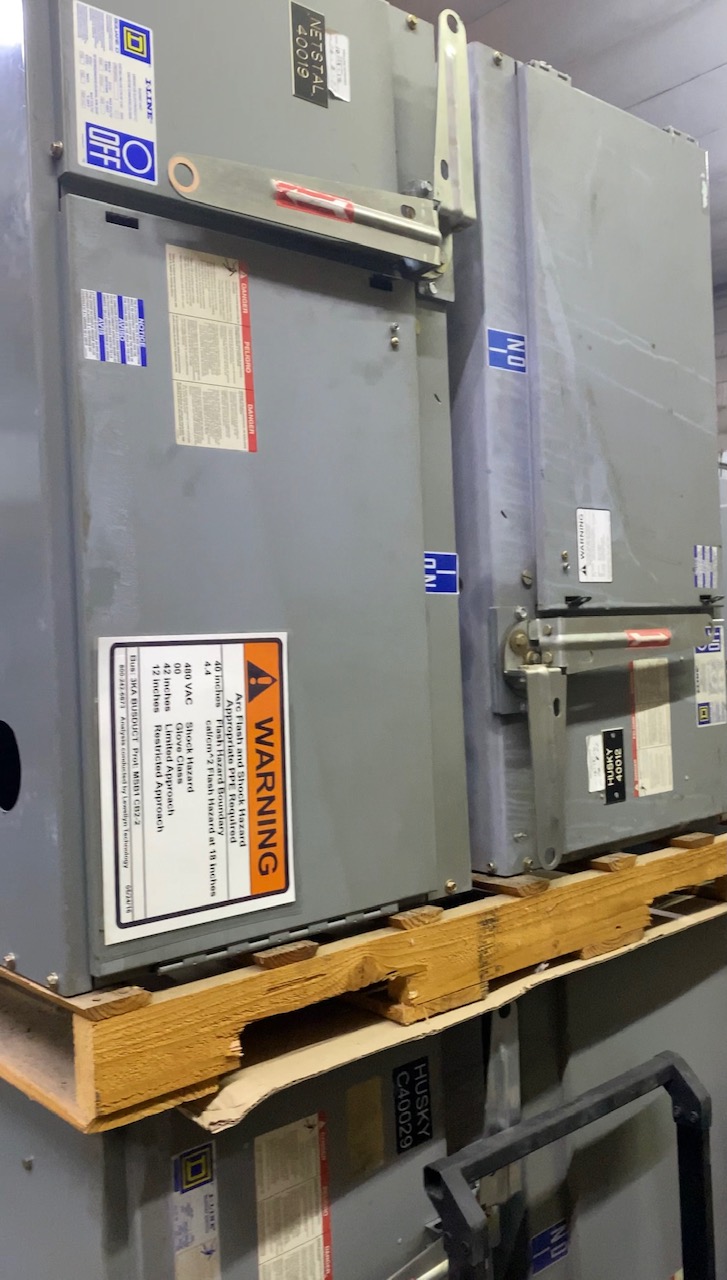
Call (951) 403-5738 or Fill Out Our Quick Form for a Free Cash Quote
Sell Used, Surplus, Obsolete, or Decommissioned Bus Plugs in New Hampshire
Unused bus plugs can take up valuable shelf space, delay warehouse cleanup, and leave money sitting in electrical surplus inventory that your company no longer needs. If you are searching for a dependable Bus Plug Buyer in New Hampshire, Surplus Equipment Buyers can review your used, surplus, obsolete, or decommissioned bus plugs and help you move them through a direct buying process. We work with sellers who want clear communication, practical quote review, and pickup or shipping coordination without wasting time on marketplace listings, uncertain buyers, or slow resale channels.
Bus plugs are common in commercial and industrial power distribution systems, especially in facilities that use busway or bus duct systems for flexible electrical distribution. When a building changes use, a production line is moved, a tenant improvement project begins, or an electrical system is upgraded, the leftover bus plugs can still have resale or recovery value. Instead of leaving those units stacked in a maintenance room, contractor yard, warehouse rack, or demolition staging area, contact a buyer who understands industrial electrical surplus.
Surplus Equipment Buyers purchases bus plugs from electrical contractors, maintenance departments, facility managers, demolition contractors, plant managers, property owners, electricians, and companies clearing surplus equipment from commercial and industrial sites. Whether you have one bus plug, a small box of mixed units, or an entire pallet from a large facility upgrade, our team can review the details and help you understand the next step.
As a Bus Plug Buyer in New Hampshire, we help sellers throughout the state, including businesses working in manufacturing spaces, warehouses, hospitals, schools, distribution buildings, retail properties, government facilities, commercial campuses, data rooms, machine shops, and industrial service properties. We do not claim to have a local New Hampshire office unless specifically verified, but we do serve customers in New Hampshire through remote quote review, shipping coordination, freight planning, and project-based pickup options when appropriate.
New Hampshire has a mix of older commercial buildings, manufacturing corridors, medical facilities, educational campuses, municipal buildings, and industrial properties where electrical equipment changes over time. From Manchester and Nashua to Concord, Portsmouth, Dover, Salem, Londonderry, Rochester, Keene, and surrounding communities, many facilities eventually remove bus plugs during renovation, expansion, relocation, or decommissioning projects. When that happens, a professional buyer can help turn idle inventory into a useful return.

America’s Go-To Bus Plug Buyer in New Hampshire
Call (951) 403-5738 or Email industrial832@gmail.com
What We Offer as a Bus Plug Buyer in New Hampshire
Surplus Equipment Buyers offers a direct way to sell surplus bus plugs without relying on slow auction listings, uncertain local classifieds, or buyers who only want the easiest pieces. Our goal is to review your equipment, ask for the right details, provide a realistic quote when the lot matches our buying criteria, and help coordinate the next step. For many sellers, that means less wasted time and a more organized equipment liquidation process.
Our Bus Plug Buyer in New Hampshire service is designed for people who have real equipment to sell and need a practical answer. You may have bus plugs left over from a factory shutdown, facility remodel, warehouse electrical upgrade, retail store conversion, hospital maintenance project, school improvement project, commercial tenant change, or demolition job. You may also have units sitting in storage because a previous electrical contractor, maintenance manager, or building owner kept them “just in case” and never used them again.
We review bus plugs by brand, amperage, voltage, condition, configuration, quantity, model, compatibility, market demand, and resale potential. Clear photos and nameplate images help us identify the equipment faster. If the bus plugs are mixed with breakers, disconnects, switchgear, panelboards, bus duct, transformers, or other electrical equipment, include those items in your message. Larger mixed lots may qualify for a broader review.
If your project includes other industrial electrical equipment beyond bus plugs, our Industrial Equipment Buyer page may also be useful. For sellers focused specifically on bus plug inventory, our main Bus Plug Buyer page provides additional buying context.
Why Choose Us as Your Bus Plug Buyer in New Hampshire?
Choosing a buyer for bus plugs should not feel complicated. You need a company that understands the equipment, responds clearly, and knows what details matter. A bus plug is not the same as ordinary scrap. Value can change based on brand, amperage, voltage, condition, interrupting rating, fuse or breaker type, plug-in style, compatibility, indoor or outdoor use, and whether the unit is complete.
The secondary market for bus plugs exists because many facilities still need replacement units, compatible components, and electrical surplus options for existing busway systems. When a business upgrades a facility, removes older equipment, or changes its electrical layout, the bus plugs may still be useful to another buyer. That is why sending your equipment to a knowledgeable surplus buyer can be more productive than treating everything like generic scrap.
Our process is built around practical communication. We ask for the information that helps us evaluate the lot, such as photos, brand, model, amperage, voltage, condition, quantity, and location. We also ask whether the bus plugs are loose, boxed, palletized, still installed, or already removed. These details help us determine whether the equipment can be quoted quickly and how the pickup or shipping process might work.
You can expect:
- Direct quote review based on the brand, specs, quantity, condition, and current demand
- Simple communication so you know what information to send and what happens next
- Pickup or shipping coordination depending on the size and location of the lot
- Review of single units, small lots, and bulk inventory when the equipment matches our buying criteria
- Support for mixed electrical surplus including breakers, panels, switchgear, disconnects, transformers, and related assets
What We Buy
Our Bus Plug Buyer in New Hampshire team reviews many types of bus plugs used in commercial and industrial electrical distribution systems. If you are unsure what type you have, send photos of the front, side, connection area, and nameplate. Even if the label is worn or partly unreadable, clear photos may still help with identification.
- Fusible bus plugs
- Non-fusible bus plugs
- Breaker-type bus plugs
- Switch-type bus plugs
- Plug-in busway units
- Bolt-on bus plug styles
- Indoor-rated bus plugs
- Outdoor-rated bus plugs
- Horizontal and vertical mount configurations
- 100A, 200A, 400A, 600A, 800A, and larger units case by case
- Bus plugs removed during facility upgrades or decommissioning projects
- Mixed lots that include bus plugs, breakers, panels, disconnects, or switchgear
We review many major brands, including Square D, Siemens, GE, Eaton, Cutler-Hammer, ITE, Westinghouse, Schneider Electric, Federal Pacific, and other manufacturers. Brand recognition can affect demand, but condition, completeness, model number, amperage, and compatibility also matter. A well-labeled and complete unit is usually easier to review than a stripped or heavily damaged unit, but we still encourage you to send photos before assuming the equipment has no value.
Common New Hampshire Sellers We Help
Sellers contact us from many types of New Hampshire projects. Some are electricians with leftover bus plugs from a completed job. Some are facility managers clearing unused electrical inventory after years of storage. Others are demolition contractors removing electrical equipment before a building is renovated, sold, or repurposed. Commercial property owners, plant managers, school maintenance teams, and industrial contractors may also have bus plugs that are no longer needed.
Common seller types include:
- Electrical contractors with extra bus plugs from upgrades or removals
- Facility managers clearing maintenance-room inventory
- Warehouse operators replacing older electrical distribution systems
- Manufacturing plants moving or shutting down production lines
- Demolition contractors removing electrical equipment before teardown
- Commercial property owners handling tenant improvements
- Schools, hospitals, and institutional facilities with surplus electrical parts
- Industrial sellers liquidating mixed lots of electrical equipment
- Contractors with boxed, palletized, or stored bus plugs from past projects
Because many New Hampshire properties deal with seasonal weather, older building stock, and facility modernization needs, timing can matter. A seller may want equipment removed before winter access becomes more difficult, before a contractor deadline, before a property transfer, or before a storage area is cleared. Contacting us early gives everyone more room to quote, schedule, and coordinate the transaction properly.
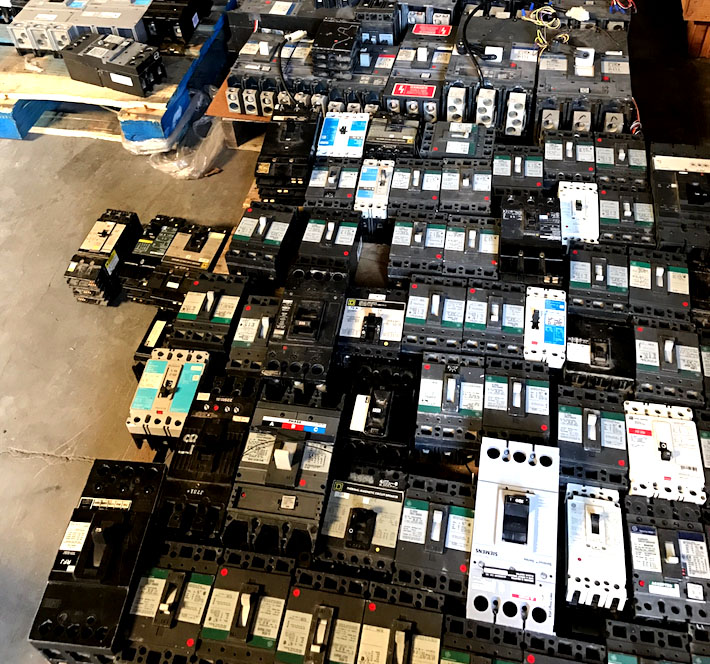
Sell Bus Plugs to a Professional Bus Plug Buyer in New Hampshire
Call (951) 403-5738 or Use Our Seller Form
How to Sell to Our Bus Plug Buyer in New Hampshire Team
The selling process is straightforward. You do not need to create a public listing, manage dozens of messages, negotiate with uncertain buyers, or pay marketplace fees just to find out whether the equipment has interest. Start by sending the details, and we will tell you what else is needed.
- Send your bus plug details. Call (951) 403-5738, email industrial832@gmail.com, or submit the Seller Form. Include photos, quantity, brand, amperage, voltage, model numbers, condition, and location when possible.
- We review the equipment. Our team checks the information and may ask for additional photos or nameplate details if needed. The more complete your information is, the faster the review can move.
- You receive a quote or next-step response. If the lot matches our buying criteria, we provide a purchase offer based on the equipment and logistics. If the lot includes other electrical surplus, we can review that as part of the same project.
- Pickup or shipping is coordinated. Depending on quantity, size, packaging, and location, shipping labels, freight, or pickup coordination may be used.
- Payment is arranged according to the agreed terms. Once the details are confirmed and the equipment is transferred or received, payment is handled based on the agreed method.
This process works well for sellers with single units, small batches, palletized lots, facility removals, and mixed electrical surplus. If the bus plugs are still installed, let us know. Removal status affects the next step, and coordination may be needed with your electrician or onsite team.
Information That Helps Us Quote Faster
A fast quote starts with clear information. The more details you provide, the less back-and-forth is needed. If you have only partial information, send what you have and we will guide you from there.
Helpful information includes:
- Photos of each bus plug or the entire lot
- Close-up photos of nameplates, labels, and model tags
- Brand or manufacturer
- Amperage rating
- Voltage rating
- Fusible, non-fusible, breaker-type, or switch-type details
- Condition notes, including missing covers, damaged handles, rust, or missing labels
- Quantity of each model or type
- Whether the units are loose, boxed, palletized, or still installed
- Pickup or shipping location in New Hampshire
- Whether forklifts, loading docks, or pallet access are available
If you have a spreadsheet or inventory list, send it with photos. If you only have a few images, start there. Clear images of nameplates can often answer several questions at once. For larger lots, grouped photos and counts help us understand the scope of the opportunity.
How We Price Used and Surplus Bus Plugs
As an experienced Bus Plug Buyer in New Hampshire, we look at the full picture instead of making a quick guess based only on weight. Bus plug value can vary widely. A common model from a major brand may have stronger resale demand than an obscure, damaged, incomplete, or heavily modified unit. A clean, complete, properly labeled unit is also easier to review than one that is missing critical identification.
Pricing factors may include brand, model, amp rating, voltage, condition, enclosure type, fuse or breaker configuration, compatibility, quantity, current resale demand, missing parts, storage condition, packaging, location, and logistics. Larger quantities may make shipping or freight more efficient, but every project is different.
If your units are older, obsolete, or from a discontinued system, they may still have value. Older busway systems often require compatible replacement parts, and some buyers need exact-fit electrical components. Do not throw away or scrap older bus plugs without first asking whether they can be reviewed.
Bus Plug Lots from Renovation, Demolition, and Facility Upgrade Projects
Many sellers contact us after a building project creates a pile of electrical surplus. A renovation may remove bus plugs from one section of a building while leaving other electrical systems active. A demolition job may produce mixed lots that include bus plugs, breakers, panels, disconnects, wire, transformers, and switchgear. A facility upgrade may leave newer-looking units behind because the building moved to a different electrical configuration.
For these projects, organization matters. If possible, keep the bus plugs in one area, avoid stripping the nameplates, and avoid mixing them with unrelated scrap. If the units are palletized, take photos before wrapping and after wrapping. If they are still installed, provide photos of the installed condition and let us know the planned removal date.
For larger surplus packages, you may also want to review our Sell Used Bus Plugs page. If your lot includes broader industrial assets, include those details so we can review the project more completely.
Benefits of Selling Directly to Surplus Equipment Buyers
Selling directly to a focused buyer can save time compared to listing each bus plug individually. It can also help avoid low-quality inquiries, uncertain payment, slow negotiations, and buyers who disappear after asking for details. When a company needs a warehouse cleared, a project closed out, or surplus turned into cash, speed and clarity matter.
Benefits may include:
- Less wasted time: You avoid managing listings, calls, messages, and uncertain buyers.
- Better organization: A single review can cover multiple bus plugs or mixed electrical surplus.
- More useful communication: We ask for the details that actually matter for quote review.
- Logistics support: Depending on the lot, we can coordinate shipping, freight, or pickup options.
- Inventory cleanup: Selling unused bus plugs can free up storage space and reduce clutter.
- Potential recovery value: Equipment that may seem obsolete can still be worth reviewing.
What to Expect During Pickup or Shipping
Pickup and shipping depend on the size of the lot, location, packaging, and equipment type. For smaller lots, shipping may be the simplest option. For larger quantities, palletizing and freight may make more sense. If the equipment is heavy, boxed, or mixed with other electrical surplus, freight coordination may require dimensions, weight estimates, pallet count, and loading access.
If you have a loading dock, forklift, pallet jack, or warehouse staff available, let us know. If you do not, tell us that upfront. Lack of loading equipment does not always stop a project, but it changes how the logistics should be planned. Accurate site information helps prevent delays and avoids confusion on pickup day.
For New Hampshire sellers, weather and access can matter. Snow, ice, narrow driveways, locked yards, rural properties, and tight loading areas can affect scheduling. If the equipment is stored in a basement, mezzanine, back room, container, trailer, or fenced yard, please explain the access conditions before pickup planning begins.
Why Bus Plugs Should Not Sit Unused for Too Long
Unused bus plugs can lose value if they are stored poorly, exposed to moisture, damaged during cleanup, stripped of parts, or separated from identifying information. A bus plug with a readable nameplate and complete housing is much easier to evaluate than one that has been tossed into a scrap pile or stored outside without protection.
If your company is holding surplus bus plugs because someone planned to reuse them later, it may be worth reviewing whether they are still needed. Many facilities keep old electrical inventory for years even after the matching system has been removed or upgraded. Selling unused equipment can help recover value, clear space, and reduce confusion for maintenance teams.
A professional buyer can help you determine whether the lot is worth quoting. You do not need to decide alone. Send the details and let us review the equipment.
Ready for an Offer from a Bus Plug Buyer in New Hampshire?
If you have bus plugs ready to sell, Surplus Equipment Buyers is ready to review them. Our Bus Plug Buyer in New Hampshire service is built for sellers who want practical communication, fair review, and a clear next step. Whether you have one bus plug, a few boxes, multiple pallets, or a mixed electrical surplus lot, contact us with the details and we will let you know what is possible.
Call (951) 403-5738, email industrial832@gmail.com, or complete the Seller Form to request a free quote. Include photos, nameplate details, quantity, condition, and location. If you prefer to start with a simple message, send what you have and our team will guide you from there.
To learn more about the company, visit our About Us page.
FAQ – Bus Plug Buyer in New Hampshire
- What information do you need for a bus plug quote?
Clear photos, nameplate images, quantity, brand, amperage, voltage, and condition notes are the most helpful details. If you do not have all of that information, send photos first and we can guide you. - Do you buy older or obsolete bus plugs?
Yes. Older and obsolete bus plugs may still have value, especially when they are complete, identifiable, and compatible with systems that are still in service. - Do I need to test the bus plugs before selling?
No. Testing is not required to request a quote. If you know whether the units were working when removed, include that information with your photos. - Will you buy a single bus plug in New Hampshire?
Yes. We review single units, small batches, and larger lots. The quote depends on the brand, model, condition, and demand. - Do you buy full pallets of bus plugs?
Yes. Palletized lots can be reviewed quickly when you provide counts, photos, model details, and location information. - Who handles shipping or pickup?
Shipping or pickup depends on the size and location of the lot. Smaller lots may ship, while larger lots may require freight or coordinated pickup. - How fast can I get paid?
Payment timing is arranged according to the accepted quote, transfer method, and verification process. We explain the payment terms before moving forward. - Which bus plug brands are most commonly reviewed?
We commonly review Square D, Siemens, GE, Eaton, Cutler-Hammer, ITE, Westinghouse, Schneider Electric, Federal Pacific, and other electrical equipment brands. - Do you buy from schools, hospitals, or public facilities?
Yes. We can review bus plugs from schools, hospitals, municipalities, public agencies, and institutional facilities when the equipment is available for sale. - Can you help if we cannot palletize the bus plugs?
Tell us the situation. Palletizing can make freight easier, but we can still review the lot and discuss possible logistics options. - Do you buy bus plugs that are still installed?
We can review installed bus plugs, but we need to know their status. Removal may require coordination with your electrician, contractor, or facility team. - Do you buy damaged bus plugs?
Yes, damaged units can be reviewed. Missing parts, broken handles, rust, or unreadable nameplates may affect the offer, so include photos and condition notes. - Can I sell mixed electrical equipment with my bus plugs?
Yes. We review mixed lots that may include breakers, disconnects, panels, switchgear, transformers, and other industrial electrical surplus. - Do you buy bus plugs from demolition projects?
Yes. Demolition and renovation projects often produce bus plugs and related electrical surplus. Keep the equipment organized and send photos before disposal. - Do outdoor-rated bus plugs have value?
Outdoor-rated bus plugs can have value depending on brand, amperage, condition, completeness, and demand. Send photos for review. - How do you determine the value of my bus plugs?
Value is based on brand, model, amperage, voltage, condition, quantity, completeness, resale demand, and logistics. - Should I remove nameplates before selling?
No. Keep all nameplates and labels attached when possible. Nameplates help identify the equipment and may improve the speed of quote review. - Can I sell bus plugs from a facility closure?
Yes. Facility closures, relocations, and equipment liquidations are common reasons sellers contact a bus plug buyer. - Do you serve all areas of New Hampshire?
Yes. We can review bus plug opportunities from sellers throughout New Hampshire through remote quote review and coordinated shipping or pickup options. - How do I start?
Call (951) 403-5738, email industrial832@gmail.com, or use the Seller Form to send your photos and equipment details.
