- Electrical Circuit Breaker Buyer - Competitive Rates
- (951) 403-5738
- industrial832@gmail.com


Can I Sell Multiple Transformers in Bulk?
Can I Sell a Transformer With Missing Parts?
May 19, 2026Do Buyers Purchase Electrical Surplus Lots?
May 19, 2026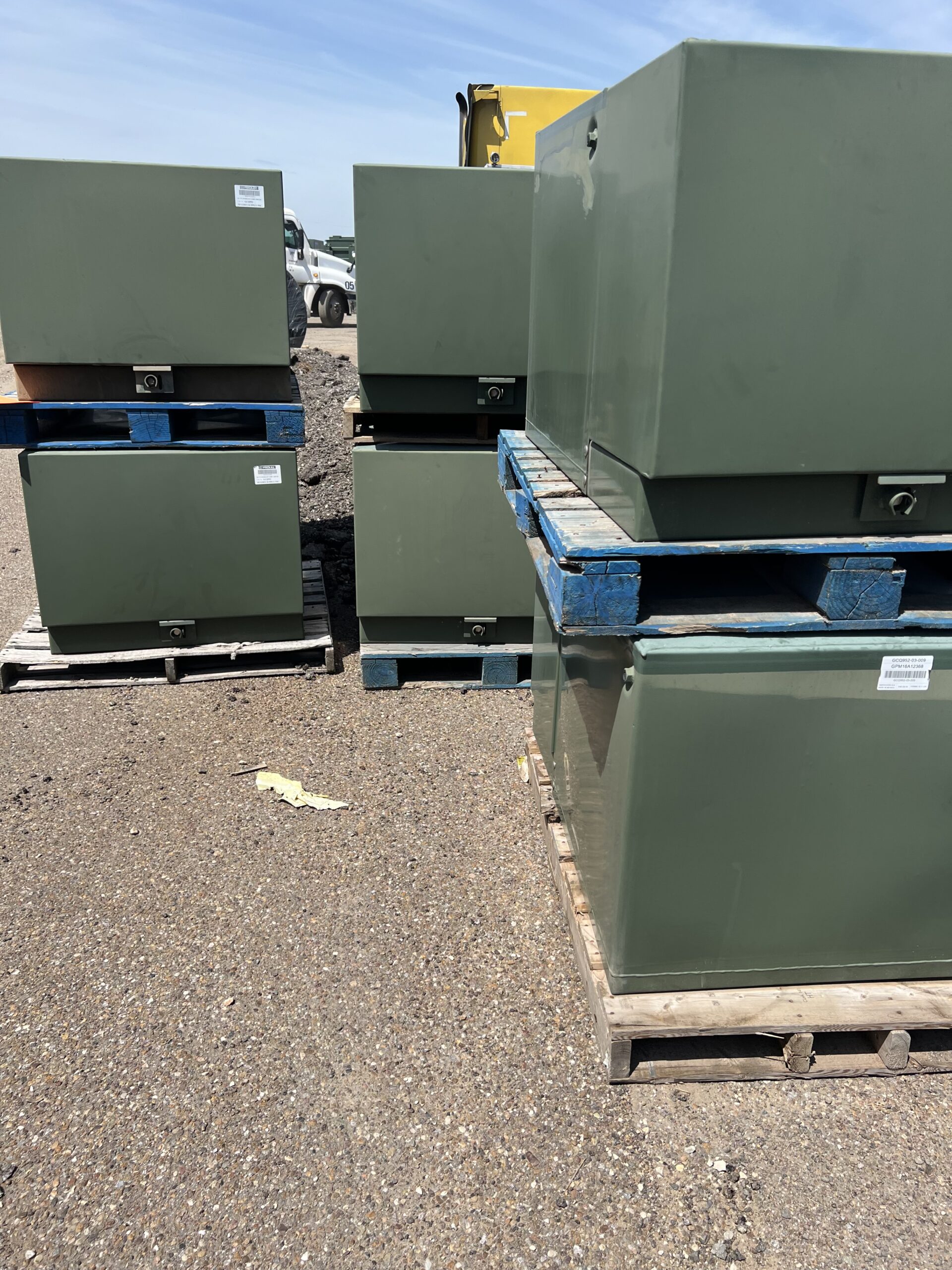
Can I Sell Multiple Transformers in Bulk?
Call (951) 403-5738 | Surplus Equipment Buyers
If you are asking, “Can I sell multiple transformers in bulk?” the answer is yes, multiple transformers may be reviewed as a bulk purchase opportunity when the equipment can be identified, ownership or release authority is clear, condition details are disclosed, and pickup access is practical. Surplus Equipment Buyers reviews bulk transformer lots, surplus transformer inventory, removed transformers, decommissioned transformers, damaged transformers, old transformers, dry-type transformers, oil-filled transformers, liquid-filled transformers, pad-mounted transformers, pole-mounted transformers, three-phase transformers, isolation transformers, step-up transformers, and step-down transformers from contractors, electricians, industrial facilities, commercial properties, warehouses, data centers, demolition projects, and sellers with electrical surplus.
Selling multiple transformers in bulk can sometimes create a stronger buying opportunity than selling one transformer by itself because a buyer may be able to review the full package, plan pickup more efficiently, and evaluate several pieces of electrical surplus at once. A bulk transformer lot may include clean working units, removed transformers, spare inventory, unused transformers, damaged transformers, incomplete units, or mixed-condition equipment. The key is organization. Buyers need photos, nameplate details, quantities, condition notes, location information, ownership confirmation, and pickup access details for each transformer. Call (951) 403-5738 and send your transformer list or photos to begin the review.
Bulk transformer sales may come from plant shutdowns, facility consolidations, warehouse cleanouts, electrical contractor inventory, demolition projects, utility-style equipment changes, data center upgrades, commercial remodels, industrial surplus cleanouts, or long-term storage yards. Some sellers have two or three transformers available. Others may have a full truckload, mixed electrical surplus package, or multiple transformers spread across a facility. Before scrapping, storing, or selling each unit separately, sellers can ask Surplus Equipment Buyers whether the bulk transformer lot may qualify for a cash quote.
Why Sellers Ask Can I Sell Multiple Transformers in Bulk?
Sellers ask can I sell multiple transformers in bulk because transformer inventory can take up space, slow down a project, and become difficult to manage one unit at a time. A facility may have several extra transformers after a plant upgrade. A contractor may have transformers from multiple job closeouts. A demolition crew may remove several units from a commercial or industrial property. A warehouse may have unused or old transformer inventory sitting in storage. In each case, the seller wants to know whether a buyer can review the entire lot instead of handling each transformer separately.
Surplus Equipment Buyers reviews bulk transformer opportunities using the information available. Helpful details include the city and state, number of transformers, transformer types, manufacturers, model numbers, serial numbers, kVA ratings, voltages, phases, condition notes, working status if known, removal status, ownership or release authority, and pickup access notes. A readable nameplate photo for each transformer is especially helpful because every unit may have different specifications and value.
Bulk selling works best when the seller keeps the information organized. Do not assume all transformers in the lot are the same. One unit may be three-phase while another is single-phase. One may be dry-type while another is oil-filled. One may be complete while another has missing parts. One may be ready for resale while another may only have recovery value. Clear organization helps the buyer evaluate the lot faster and avoid confusion.
Can I Sell Multiple Transformers in Bulk for a Cash Quote?
Call (951) 403-5738 | Send a Transformer Inventory List
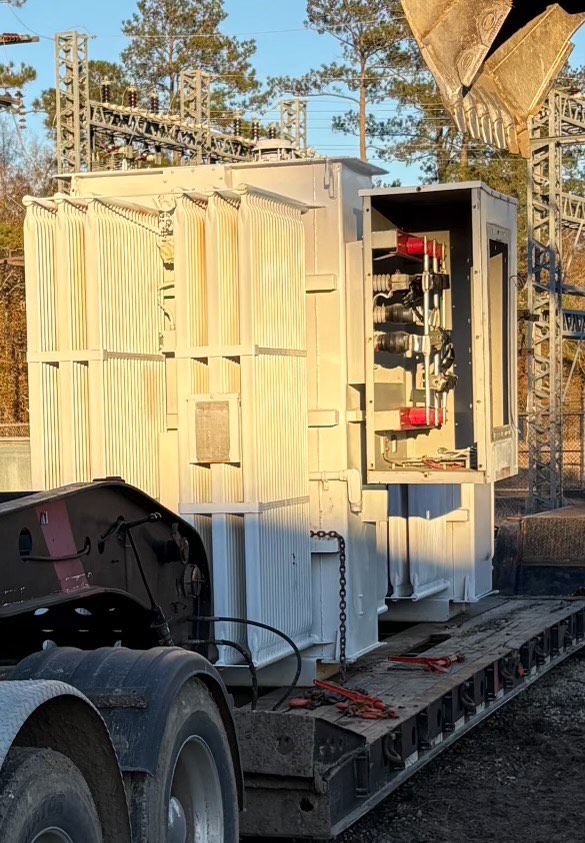
Multiple transformers may be reviewed for a cash quote when the seller provides enough current information for the full lot. Start with group photos showing all transformers together if they are in one location. Then provide individual photos of each transformer, including a full-unit photo, nameplate photo, condition photo, and pickup-area photo. If the transformers are spread across different areas, label each group by location so the buyer can understand the full pickup plan.
A simple inventory list can make the review much easier. Include the transformer number or label, manufacturer, kVA rating, voltage, phase, type, condition, working status if known, whether it is removed or still installed, and where it is located onsite. If you do not know every specification, provide what you can and say what is unknown. A buyer can work with incomplete information, but guessing can slow down the review or create problems later.
The transformer nameplate may show the manufacturer, kVA rating, voltage, phase, frequency, serial number, temperature rise, impedance, enclosure details, wiring diagram, weight, and fluid information. When selling in bulk, each transformer should have its own nameplate photo if available. If a nameplate is missing, damaged, painted over, or unreadable, note that on the inventory list and send additional photos of brand labels, asset tags, markings, measurements, or project records.
What Makes a Bulk Transformer Lot Easier to Sell?
A bulk transformer lot is usually easier to sell when the transformers are identifiable, grouped clearly, staged for loading, and supported by accurate ownership or release information. A readable nameplate for each transformer, honest condition notes, known project history, and practical pickup access can all help the review. Buyers want to know whether the lot can be moved efficiently, whether the transformers have useful specifications, and whether the package is worth purchasing instead of being treated only as scrap.
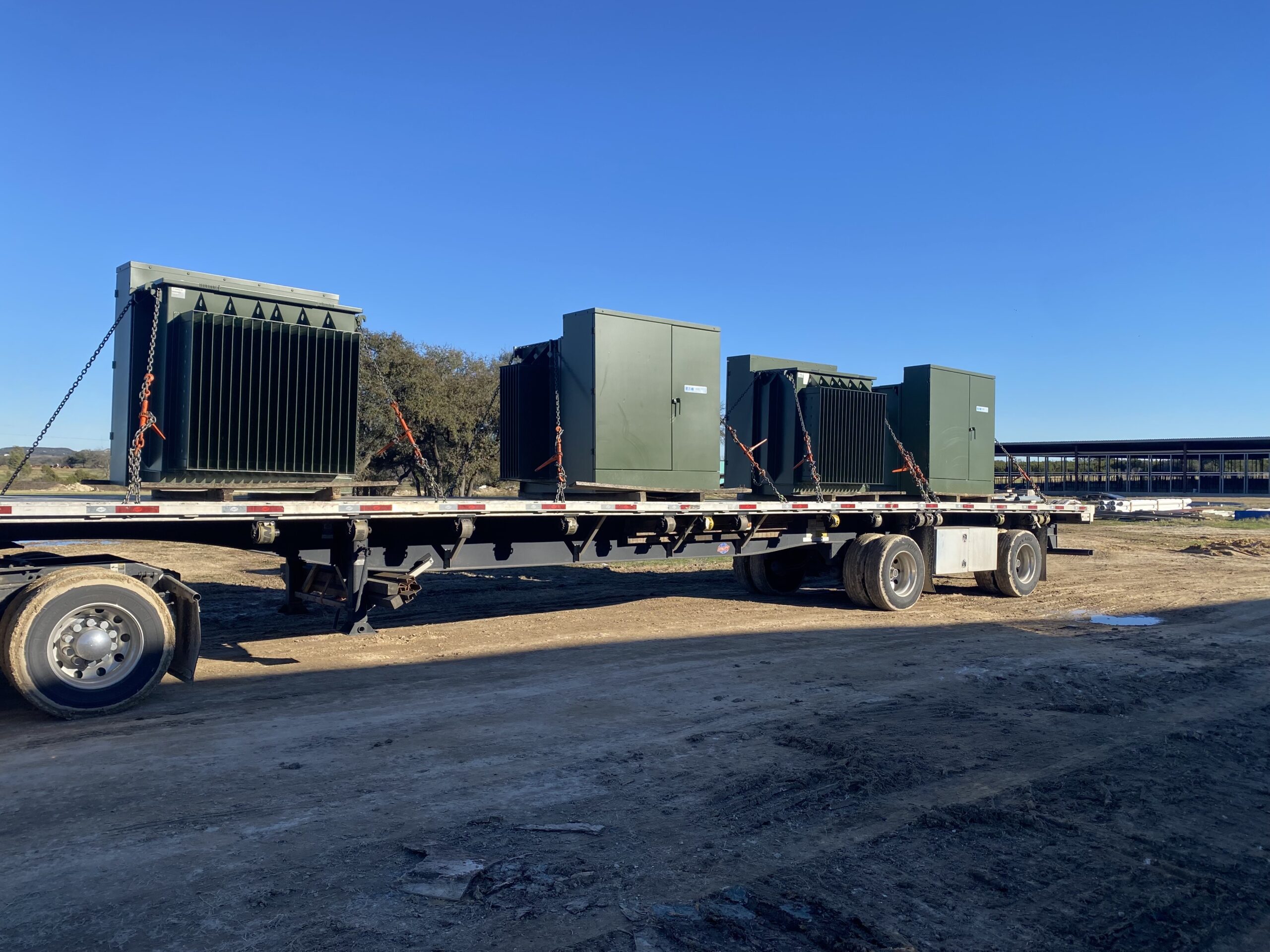
Staging can also help. Transformers stored together near a loading area may be easier to review than transformers scattered across a large facility, blocked by other equipment, or mixed with unrelated materials. If the transformers are already disconnected, palletized, crated, staged on trailers, or placed near a loading dock, mention that clearly. If they are still installed or difficult to reach, provide detailed access photos and explain what needs to happen before pickup.
Related equipment may improve the overall opportunity. A bulk transformer lot sold with breakers, switchgear, panels, bus plugs, disconnects, wire, valves, controls, or other industrial equipment may create a stronger package than transformers alone. Sellers with broader equipment packages may review the industrial equipment buyer page to understand how multiple surplus categories can be reviewed together.
Can I Sell Multiple Transformers in Bulk From a Commercial Site?
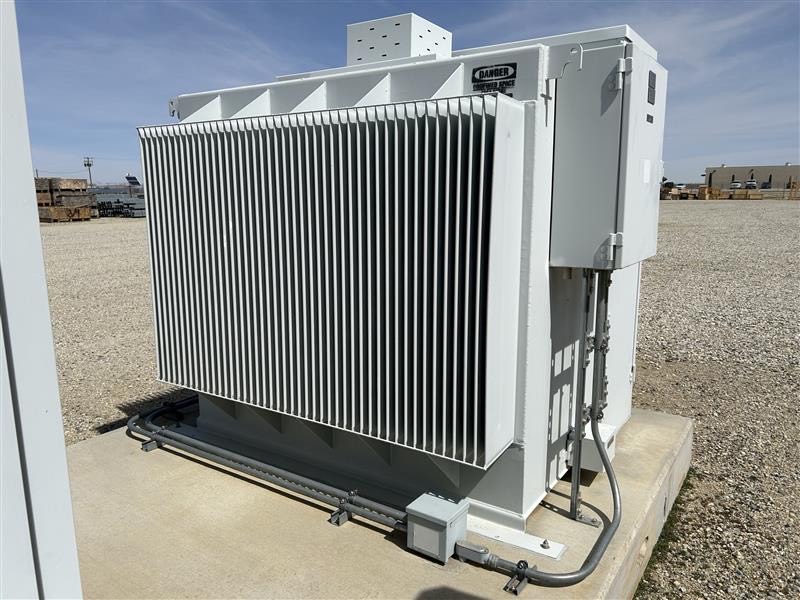
Multiple transformers from a commercial site may be reviewed as a bulk sale when the equipment is available for sale, identifiable, and safe to access. Commercial sites may include office buildings, retail centers, shopping plazas, schools, hospitals, restaurants, hotels, data centers, warehouses, mixed-use properties, and service buildings. Transformers may become available during tenant improvements, electrical upgrades, remodels, service changes, equipment replacements, shutdowns, or demolition work.
Commercial-site sellers should provide clear context. Are the transformers from one property or several job locations? Are they already removed? Are they still inside electrical rooms? Are they outdoors on pads? Are they stored in a warehouse or yard? Are they mixed with other electrical equipment? These details help Surplus Equipment Buyers review whether the bulk transformer lot can be considered for purchase and pickup.
If the commercial site includes additional surplus equipment, mention it during the first conversation. Switchgear, circuit breakers, panels, bus plugs, disconnects, wire, valves, controls, and other electrical assets may be available with the transformers. Sellers with breaker inventory can review the sell circuit breakers Bakersfield page, while valve sellers may find examples such as Tennessee valve buyers, Mississippi valve buyers, and Maryland valve buyers useful for broader surplus categories.
Bulk Transformer Sales From Industrial Facilities, Plants, and Warehouses
Industrial facilities, plants, and warehouses often create bulk transformer opportunities after equipment upgrades, production line removals, facility consolidations, warehouse cleanouts, maintenance inventory reductions, or shutdown planning. A facility may have several spare transformers that no longer fit current power needs. A plant may remove multiple transformers during modernization. A warehouse may have mixed transformer inventory from years of project leftovers.
Industrial sellers should provide nameplate photos, group photos, individual transformer photos, storage details, and access information. If some units are working, some are untested, and some are damaged, separate them clearly in the inventory list. If some are dry-type and others are oil-filled or liquid-filled, note that as well. Mixed lots can still be reviewed, but the buyer needs to understand the makeup of the inventory.
Industrial projects often include related surplus. Multiple transformers may be reviewed with breakers, switchgear, panels, controls, disconnects, valves, or other equipment. A stronger package can sometimes improve pickup efficiency because the buyer can review more value in one trip or coordinated transportation plan.
Can I Sell Multiple Transformers in Bulk That Need Pickup?
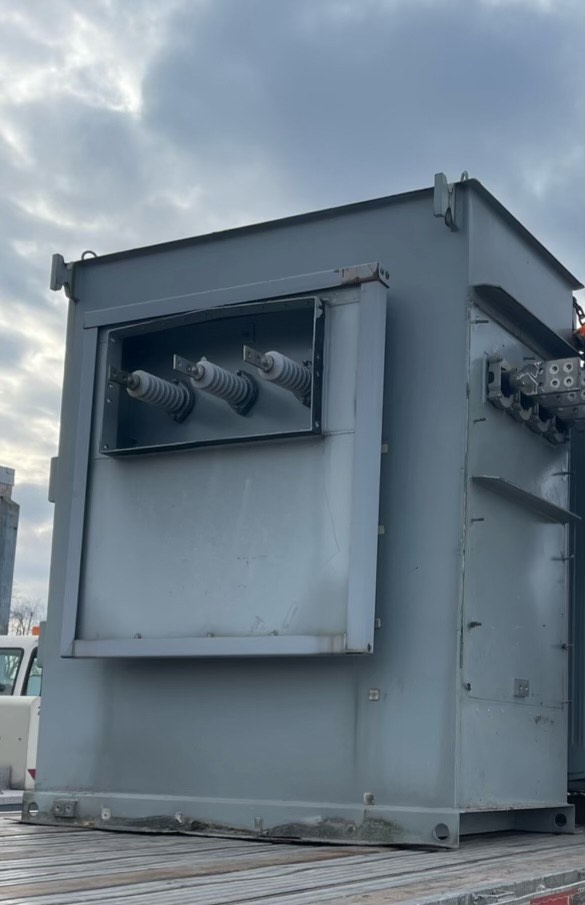
Multiple transformers that need pickup may still be reviewed, but pickup details are critical. A buyer may need to know whether the transformers are authorized for release, where each unit is located, whether they are disconnected, whether they can be loaded safely, and whether site requirements must be met before pickup. Bulk pickup can be more efficient than separate pickups, but only when the seller provides clear staging and access information.
Before requesting a quote, provide pickup details for the full lot. Tell the buyer whether the transformers are indoors or outdoors, already disconnected or still installed, on pads, pallets, floors, trailers, racks, warehouse areas, yards, or electrical rooms. Mention whether a truck can access the transformers, whether there is a loading dock, forklift, crane access, rigging support, pallet jack access, freight elevator, or clear path to the equipment.
Site restrictions can affect the sale. Gate hours, appointment requirements, insurance requirements, safety rules, active production zones, escort requirements, security check-in, stairs, narrow doors, gravel, soft ground, curbs, bollards, fences, overhead limitations, blocked access, and available loading help should be disclosed early. A bulk transformer lot may qualify for review, but missing access details can delay pickup and payment.
How Bulk Pickup and Transportation Affect Transformer Value
Bulk pickup and transportation can affect transformer value because moving several heavy units requires planning. A buyer may need forklifts, cranes, flatbeds, step-deck trailers, rigging crews, dock appointments, or multiple pickup windows depending on the number, weight, and location of the transformers. A well-organized lot near loading access may be easier to purchase than a scattered lot with unclear staging.
Wide pickup-area photos can help. Show the access route, loading area, dock, gate, driveway, warehouse aisle, yard position, surrounding obstacles, and ground surface. If onsite loading equipment is available, mention what type of equipment is available and whether a facility employee must operate it. If some transformers are difficult to reach or blocked by other equipment, say so upfront.
If the transformers are heavy, unstable, damaged, leaking, or difficult to access, do not attempt unsafe movement just to prepare them for sale. Heavy electrical equipment should only be moved with proper equipment and qualified help. Safe photos and honest site details are enough to begin the buyer review.
Can I Sell Multiple Transformers in Bulk From a Shutdown or Demolition Project?
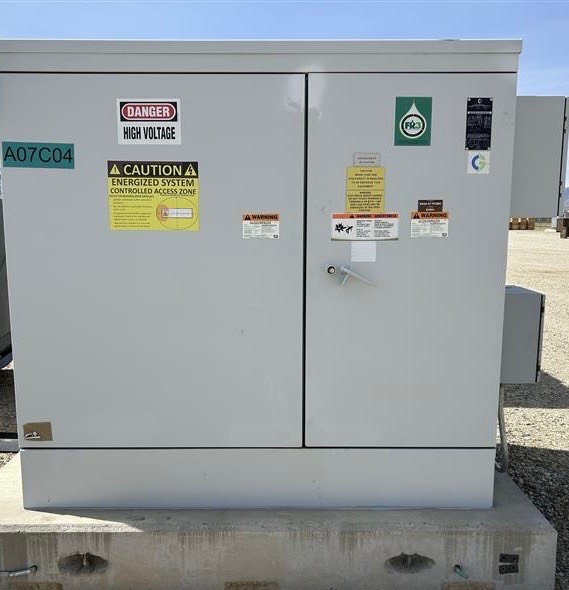
Shutdowns, decommissioning projects, plant closures, warehouse relocations, data center upgrades, facility consolidations, equipment removals, and demolition jobs often produce multiple transformers and related electrical surplus. A bulk transformer lot from one of these projects may be reviewed when the seller provides photos, condition notes, ownership context, pickup details, and any available records before the site becomes rushed.
Timing matters during shutdown and demolition work. If multiple transformers must be moved before a lease ends, before demolition begins, before a contractor finishes a phase, or before a facility clears remaining assets, the buyer needs accurate information early. Waiting too long can lead to rushed disposal, lost documentation, additional damage, blocked access, or lower recovery value. Photos and available records should be gathered before equipment is moved, stacked, stripped, or separated from its nameplates.
Location-specific transformer pages, such as selling surplus transformers near Phoenix and selling surplus transformers near Michigan, show how transformer selling needs may vary by region, project type, and equipment availability. The same principle applies to bulk transformer sales: better photos, better lists, and clearer release details help the buyer determine whether the lot can be reviewed, picked up, and paid for efficiently.
How Related Equipment Can Help When Selling Transformers in Bulk
Related electrical surplus can help improve the review when selling multiple transformers in bulk. A few transformers by themselves may be worth reviewing, but transformers combined with breakers, switchgear, panels, bus plugs, disconnects, controls, wire, valves, and other industrial equipment may create a stronger total package. This can matter when transportation costs, loading time, and route planning are part of the review.
When sellers include related equipment, the buyer can review the full opportunity instead of making a decision based only on the transformer lot. A simple photo list, asset list, spreadsheet, or project inventory can help. Include manufacturer names, model numbers, quantities, condition notes, and photos when available. Even if the list is not perfect, it helps the buyer understand the scope of the opportunity.
If multiple transformers are available, organize each unit with its own photos, nameplate image, condition notes, available records, and pickup details. Do not assume all transformers have the same value or pickup requirements. Different weights, ratings, conditions, staging areas, and access routes can change the quote, pickup, and payment process.
Can I Sell Multiple Transformers in Bulk if Some Are Damaged or Missing Parts?
Call (951) 403-5738 | Honest Bulk Transformer Review
A bulk transformer lot may still be reviewed even if some units are damaged, incomplete, old, obsolete, missing paperwork, missing parts, or non-working. The key is to identify which transformers are complete, which are damaged, which are unknown, and which may only have recovery value. A mixed lot can still be worth reviewing when the buyer understands the full condition and pickup plan.
If any transformers are damaged, leaking, incomplete, or non-working, send close-up photos of leaks, rust, dents, broken bushings, missing covers, damaged doors, fire damage, water exposure, cut wires, damaged coils, exposed parts, unreadable labels, and any areas that may affect safe handling. Do not hide the weaker units in the bulk lot. Honest condition notes help the buyer evaluate the package accurately.
Before assuming mixed-condition transformers are unsellable, consider sending a complete photo set for review. A bulk transformer lot may or may not qualify for purchase, but accurate details give the seller a better chance of getting a useful answer. Call (951) 403-5738 and provide group photos, individual photos, nameplate photos if available, condition notes, any available records, location, ownership information, and pickup details so Surplus Equipment Buyers can review the opportunity.
Common Questions About Can I Sell Multiple Transformers in Bulk?
Can I sell multiple transformers in bulk?
Yes, multiple transformers may be reviewed in bulk when the equipment can be identified, ownership is clear, condition details are disclosed, and pickup access is practical.
What should I send for a bulk transformer quote?
Send group photos, individual transformer photos, nameplate photos, an inventory list, condition notes, city and state, ownership information, removal status, and pickup access details.
Can I sell mixed transformer types in one bulk lot?
Yes, mixed lots may be reviewed. Dry-type, oil-filled, liquid-filled, pad-mounted, three-phase, isolation, step-up, step-down, old, damaged, or unused transformers should be organized clearly.
Can I sell multiple damaged transformers in bulk?
Possibly. Damaged transformers may still have parts, recovery, recycling, or package value, but damage must be disclosed with clear photos.
Can I sell transformers in bulk without paperwork?
Possibly. Paperwork can help, but bulk transformer reviews can often begin with photos, nameplate details if available, condition notes, ownership confirmation, and pickup information.
Does bulk selling help with pickup?
It can. Bulk selling may improve pickup efficiency because a buyer can review multiple transformers and related equipment together, but access, loading, distance, and condition still matter.
Can related equipment help with a bulk transformer sale?
Yes. Breakers, switchgear, panels, bus plugs, disconnects, valves, controls, wire, and other equipment may create a stronger overall surplus opportunity.
How do I contact Surplus Equipment Buyers for a bulk transformer review?
Call (951) 403-5738 or leave a message through the website with transformer photos, inventory details, nameplate information if available, condition notes, location, ownership information, and pickup access details.
Request a Bulk Transformer Review Today
If you are still asking can I sell multiple transformers in bulk, contact Surplus Equipment Buyers with group photos, individual transformer photos, nameplate photos if available, a simple inventory list, pickup-area photos, city and state, removal status, ownership information, and any related equipment photos. Our team reviews used, surplus, removed, old, obsolete, damaged, incomplete, unused, and decommissioned transformers for sellers who want a practical path to recover value from multiple pieces of electrical equipment at once.
Call (951) 403-5738 to discuss your bulk transformer lot. Be ready to provide the transformer location, number of units, staging condition, removal status, brands if known, kVA ratings if known, voltage and phase if known, nameplate details if available, condition notes, ownership details, any available records, and pickup access information. If you have breakers, switchgear, panels, disconnects, valves, or other industrial equipment available, mention those items during the same conversation. Surplus Equipment Buyers may be able to review the transformer lot as part of a broader surplus equipment opportunity.
Do not assume multiple transformers must be sold one at a time or hauled away for scrap without first speaking to a serious buyer. Surplus Equipment Buyers helps industrial facilities, electrical contractors, demolition crews, warehouse operators, property owners, plant managers, and industrial sellers review bulk transformers, missing paperwork, quote needs, pickup details, and payment questions through clear communication and practical buying support. Call (951) 403-5738 today or send your transformer inventory through the contact page to begin the bulk transformer review process.
