- Electrical Circuit Breaker Buyer - Competitive Rates
- (951) 403-5738
- industrial832@gmail.com


Are Oil-Filled Transformers Regulated?
Who is Responsible for Transformer Removal and Loading?
May 19, 2026Do Transformer Buyers Test for PCB?
May 19, 2026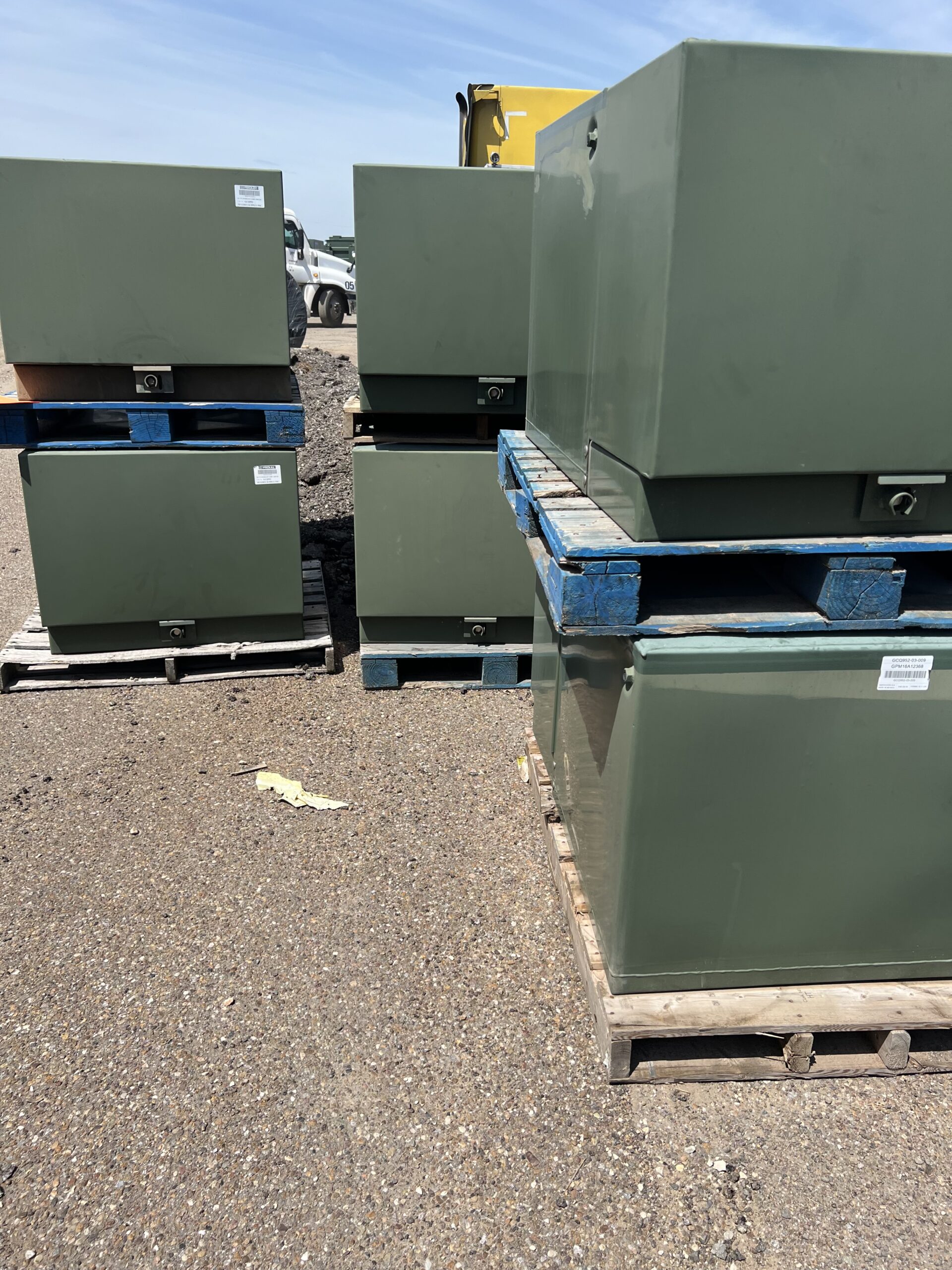
Are Oil-Filled Transformers Regulated When Being Sold?
Call (951) 403-5738 | Surplus Equipment Buyers
If you are asking, “Are oil-filled transformers regulated when being sold?” the answer is that oil-filled transformers may involve regulatory, documentation, environmental, transportation, storage, spill, PCB, ownership, and handling considerations depending on the transformer’s age, fluid type, condition, location, labeling, testing history, and intended next step. Surplus Equipment Buyers reviews used, surplus, removed, decommissioned, oil-filled, liquid-filled, pad-mounted, pole-mounted, three-phase, damaged, old, obsolete, and industrial transformers from electrical contractors, demolition contractors, industrial facilities, commercial properties, warehouses, data centers, and sellers with electrical surplus.
Oil-filled transformers are different from dry-type transformers because they contain dielectric fluid. That fluid may raise additional questions before a sale, especially if the transformer is older, leaking, damaged, missing labels, missing paperwork, or has unknown PCB status. A buyer may need photos, nameplate details, oil or fluid records if available, test reports if available, leak notes, ownership confirmation, removal status, and pickup access information before discussing a quote. Call (951) 403-5738 and send clear photos, city and state, nameplate details, condition notes, and any available fluid-related records for review.
Federal PCB rules can apply to certain PCB-containing items, including transformers, and oil-filled electrical equipment may require careful review when PCB status is unknown. Sellers should not guess about PCB content, fluid type, disposal status, or regulatory classification. If the transformer is older, unlabeled, leaking, damaged, or missing records, the safest path is to provide honest details and work with qualified environmental, electrical, or compliance professionals when needed. The goal is to review the transformer responsibly before sale, pickup, transportation, or disposal decisions are made.
Why Sellers Ask Are Oil-Filled Transformers Regulated When Being Sold?
Sellers ask are oil-filled transformers regulated when being sold because oil-filled electrical equipment can involve more than simple surplus resale. A transformer may have market value, but the buyer still needs to understand what kind of fluid is inside, whether the unit is leaking, whether the nameplate is readable, whether there are PCB labels or non-PCB labels, whether documentation is available, and whether the transformer can be moved safely. These issues can affect quote confidence, transportation planning, and whether the transformer is reviewed as resale equipment, recovery material, recycling equipment, or a regulated item requiring additional handling.
Surplus Equipment Buyers reviews oil-filled transformer opportunities using the information available. Helpful details include the city and state, transformer type, manufacturer, model number, serial number, kVA rating, voltage, phase, fluid information if shown, PCB or non-PCB label information if available, condition, working status if known, removal status, ownership or release authority, and pickup access notes. A readable nameplate photo is especially helpful because it may provide key technical information that affects the review.
If the transformer has unknown fluid status, unknown manufacture date, missing paperwork, visible leaks, damaged bushings, fire damage, water exposure, missing covers, or signs of poor storage, disclose those details upfront. A buyer cannot responsibly review an oil-filled transformer if the seller hides or guesses at important condition and regulatory details. Honest information helps protect the seller, buyer, facility, pickup team, and transaction.
Are Oil-Filled Transformers Regulated When Being Sold for a Cash Quote?
Call (951) 403-5738 | Send Nameplate, Fluid, and Condition Details
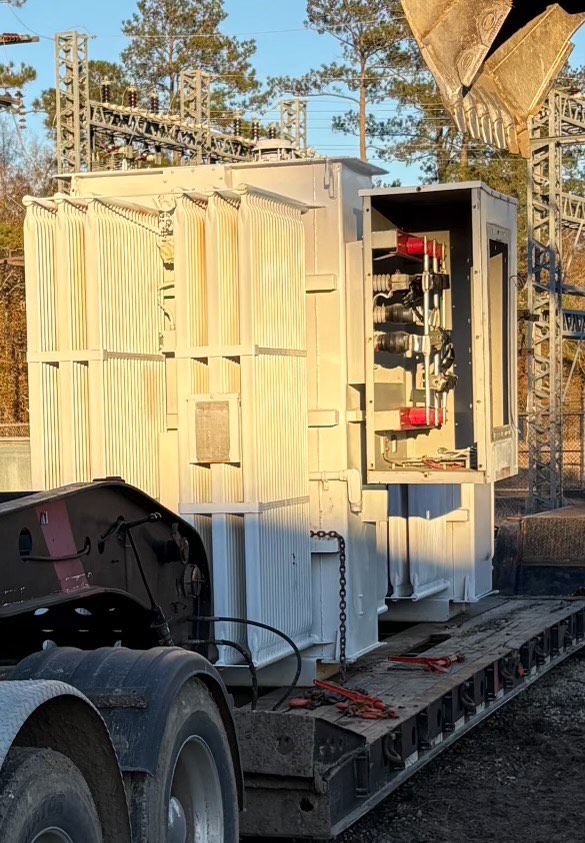
Oil-filled transformers may be reviewed for a cash quote, but the review should include fluid-related information when available. Sellers should send full-unit photos, a clear nameplate photo, PCB or non-PCB label photos if visible, condition photos, leak photos if any, pickup-area photos, city and state, removal status, ownership information, and any testing or maintenance records available. A buyer cannot responsibly review an oil-filled transformer from one blurry image or a vague description alone.
The transformer nameplate may show the manufacturer, kVA rating, voltage, phase, frequency, serial number, temperature rise, impedance, enclosure details, wiring diagram, weight, and fluid information. Older oil-filled transformers may require extra care because the fluid history may not always be clear. If the unit has a non-PCB label, PCB label, oil sample record, maintenance record, inspection note, or environmental document, include it with the quote request. If no records are available, say that clearly instead of guessing.
Condition photos are also important. Sellers should photograph leaks, oil staining, rust, dents, damaged tanks, broken bushings, missing covers, damaged doors, fire damage, water exposure, cut wires, exposed parts, unreadable labels, and any issue that may affect safe handling. A transformer may have value, but visible leaks or unknown fluid status can affect how the buyer reviews transportation, pickup, and purchase practicality.
What Regulations Can Matter for Oil-Filled Transformer Sales?
Regulatory concerns may include PCB status, storage requirements, labeling, spill cleanup, transportation rules, disposal requirements, environmental documentation, and site-specific handling policies. Not every oil-filled transformer has the same regulatory burden. A newer non-PCB transformer with clean records may be easier to review than an older transformer with unknown fluid status, no labels, missing paperwork, or visible leaks.
PCB-related rules are one of the biggest concerns for older oil-filled transformers. Some older electrical equipment may need to be treated carefully when the PCB concentration is unknown or when manufacture date and fluid type are unclear. Sellers should not assume an old oil-filled transformer is non-PCB without records, labels, or proper verification. If there is uncertainty, qualified environmental or compliance professionals may need to review the situation before sale, movement, storage, or disposal.
State, local, facility, site, and transportation rules may also matter. A commercial building, industrial plant, warehouse, school, data center, demolition site, or utility-style property may have its own requirements for access, release, spill prevention, loading, insurance, environmental review, or documentation. The seller should gather available records and disclose site requirements early so the transformer can be reviewed responsibly.
Are Oil-Filled Transformers Regulated When Being Sold From a Commercial Site?
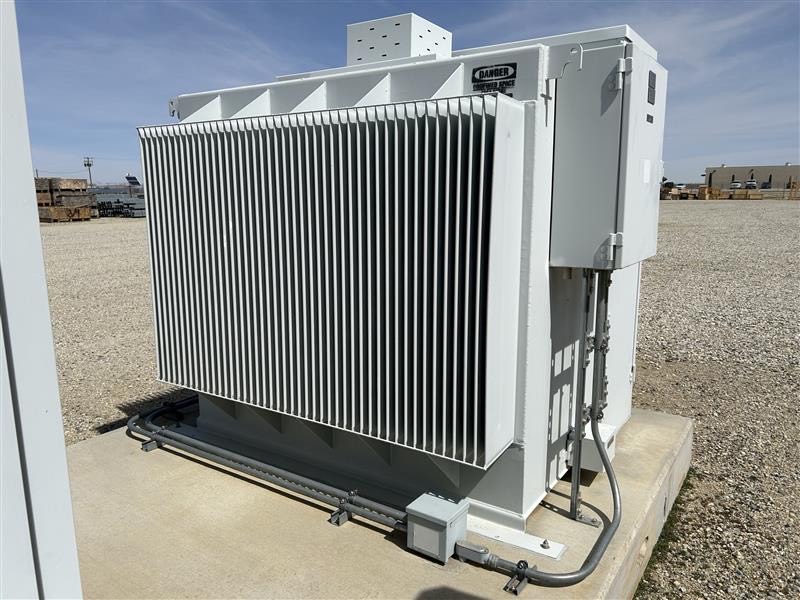
Oil-filled transformers from commercial sites may involve additional review before sale, especially when the equipment is older, located near a building, stored outdoors, leaking, unlabeled, or missing documentation. Commercial sites may include office buildings, retail centers, shopping plazas, schools, hospitals, restaurants, hotels, data centers, warehouses, mixed-use properties, and service buildings. Oil-filled transformers may become available during tenant improvements, electrical upgrades, remodels, service changes, equipment replacements, shutdowns, or demolition work.
Commercial-site sellers should provide clear context. Is the oil-filled transformer still installed? Is it already disconnected? Is it outdoors on a pad? Is it inside a restricted area? Is it leaking? Does it have a PCB or non-PCB label? Does the building owner, facility manager, contractor, or property owner have authority to release it? These questions matter because oil-filled transformers are not always reviewed the same way as dry-type equipment.
If the commercial site includes additional surplus equipment, mention it during the first conversation. Switchgear, circuit breakers, panels, bus plugs, disconnects, wire, valves, controls, and other electrical assets may be available with the oil-filled transformer. Sellers with broader equipment packages may review the industrial equipment buyer page to understand how multiple surplus categories can be reviewed together.
Oil-Filled Transformers From Industrial Facilities, Plants, and Warehouses
Industrial facilities, plants, and warehouses may have oil-filled transformers from production upgrades, utility changes, facility expansions, decommissioning projects, shutdowns, or long-term spare equipment inventory. These transformers may be located outdoors on pads, inside fenced areas, near production equipment, in maintenance yards, or behind restricted access points. A buyer needs enough information to evaluate the transformer, the fluid concerns, and the pickup logistics.
Industrial sellers should provide nameplate photos, label photos, oil or fluid record photos if available, group photos, individual equipment photos, storage details, and access information. If the transformer has known PCB records, non-PCB labels, oil sample reports, leak notes, or maintenance records, include them in the review. If the status is unknown, say that directly.
Industrial projects often include related surplus. Oil-filled transformers may be reviewed with breakers, switchgear, panels, controls, disconnects, valves, or other equipment. Sellers with breaker inventory can review the sell circuit breakers Bakersfield page, while valve sellers may find examples such as Tennessee valve buyers, Mississippi valve buyers, and Maryland valve buyers useful for broader surplus categories.
Are Oil-Filled Transformers Regulated When Being Sold and Picked Up?
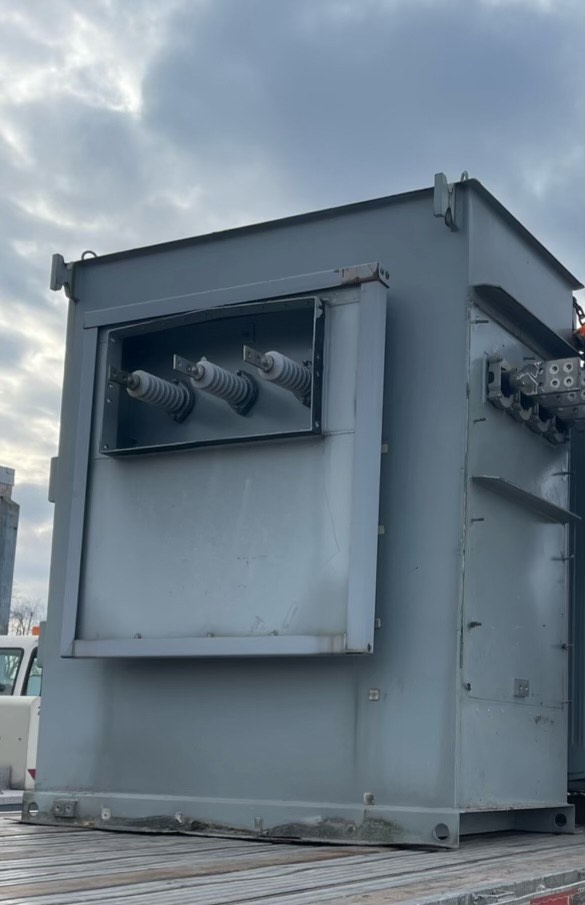
Pickup and transportation can create additional concerns for oil-filled transformers because the unit may be heavy, liquid-filled, leak-prone, damaged, or subject to site handling rules. A buyer may need to know whether the transformer is authorized for release, whether it is disconnected, whether it can be loaded safely, whether it is upright and stable, whether leaks are present, and whether site requirements must be met before pickup.
Before requesting a quote, provide pickup details. Tell the buyer whether the oil-filled transformer is indoors or outdoors, already disconnected or still installed, on a pad, pallet, floor, trailer, rack, warehouse area, yard, or electrical room. Mention whether a truck can access the transformer, whether there is a loading dock, forklift, crane access, rigging support, pallet jack access, spill containment requirements, freight elevator, or clear path to the loading area.
Site restrictions can affect the sale. Gate hours, appointment requirements, insurance requirements, environmental requirements, safety rules, active production zones, escort requirements, security check-in, stairs, narrow doors, gravel, soft ground, curbs, bollards, fences, overhead limitations, blocked access, and available loading help should be disclosed early. An oil-filled transformer may qualify for review, but missing access or fluid-status details can delay pickup and payment.
How Leaks, Fluid Status, and PCB Questions Affect Pickup
Leaks, unknown fluid status, and PCB questions can affect whether an oil-filled transformer can be picked up, how it must be handled, and what documentation may be needed. A leaking transformer should be disclosed immediately with clear photos. Sellers should show oil staining, wet areas, damaged tank sections, broken bushings, rusted seams, or any location where fluid may be escaping. Do not try to hide leaks before pickup.
If the transformer has known PCB status, non-PCB status, or oil sample records, include that information. If the status is unknown, state that clearly. A buyer may need additional review before transportation can be discussed. Some oil-filled transformer situations may require environmental professionals, containment planning, approved handlers, or disposal guidance before the unit can be moved.
If a transformer is actively leaking, damaged, unstable, or located near drains, soil, waterways, or sensitive areas, the seller should follow site safety procedures and contact qualified professionals immediately. Do not move, drain, puncture, cut, or tip an oil-filled transformer in an attempt to prepare it for sale. Safe documentation and honest disclosure are the correct first steps.
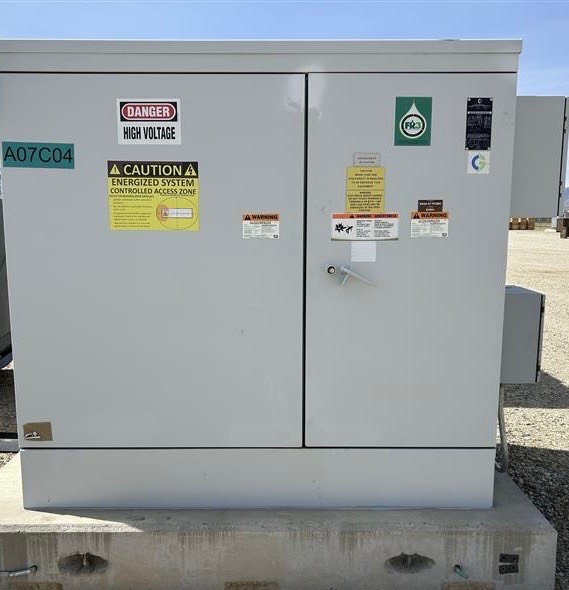
Are Oil-Filled Transformers Regulated When Being Sold From Shutdown or Demolition Projects?
Shutdowns, decommissioning projects, plant closures, warehouse relocations, data center upgrades, facility consolidations, equipment removals, and demolition jobs often produce oil-filled transformers and related electrical surplus. These projects may include transformers, breakers, switchgear, panels, disconnects, controls, wire, bus plugs, valves, and other industrial assets. Oil-filled transformers should be documented before they are moved, stacked, damaged, drained, stripped, or separated from their labels and nameplates.
Timing matters during shutdown and demolition work. If oil-filled transformers must be moved before a lease ends, before demolition begins, before a contractor finishes a phase, or before a facility clears remaining assets, the buyer needs accurate information early. Waiting too long can lead to rushed removal, lost documentation, additional damage, blocked access, leak issues, or lower recovery value. Photos and available records should be gathered before equipment is mixed with scrap or moved into harder-to-review areas.
Location-specific transformer pages, such as selling surplus transformers near Phoenix and selling surplus transformers near Michigan, show how transformer selling needs may vary by region, project type, and equipment availability. The same principle applies to oil-filled transformer sales: better photos, clearer fluid records, and stronger release details help the buyer determine whether the transformer can be reviewed, picked up, and paid for efficiently.
How Documentation Helps With Oil-Filled Transformer Sales
Documentation can help oil-filled transformer sales because it reduces uncertainty. Helpful information may include nameplate photos, PCB or non-PCB labels, oil sample records, inspection records, maintenance notes, leak history, removal notes, ownership approval, release authorization, salvage rights, site contact information, pickup instructions, and access requirements. Not every seller has every document, but available records should be provided during the quote review.
If paperwork is missing, sellers should still send current photos and explain what is unknown. A transformer with missing paperwork may still be reviewed, but the buyer may need more information before discussing purchase, pickup, transportation, or disposal options. Guessing about PCB status, fluid status, working condition, or ownership can create serious delays.
If multiple oil-filled transformers or electrical surplus items are available, organize each major item with its own photos, nameplate or label image, condition notes, available records, and pickup details. Different weights, ratings, conditions, fluid status, storage areas, and access routes can change the quote, loading, pickup, and payment process.
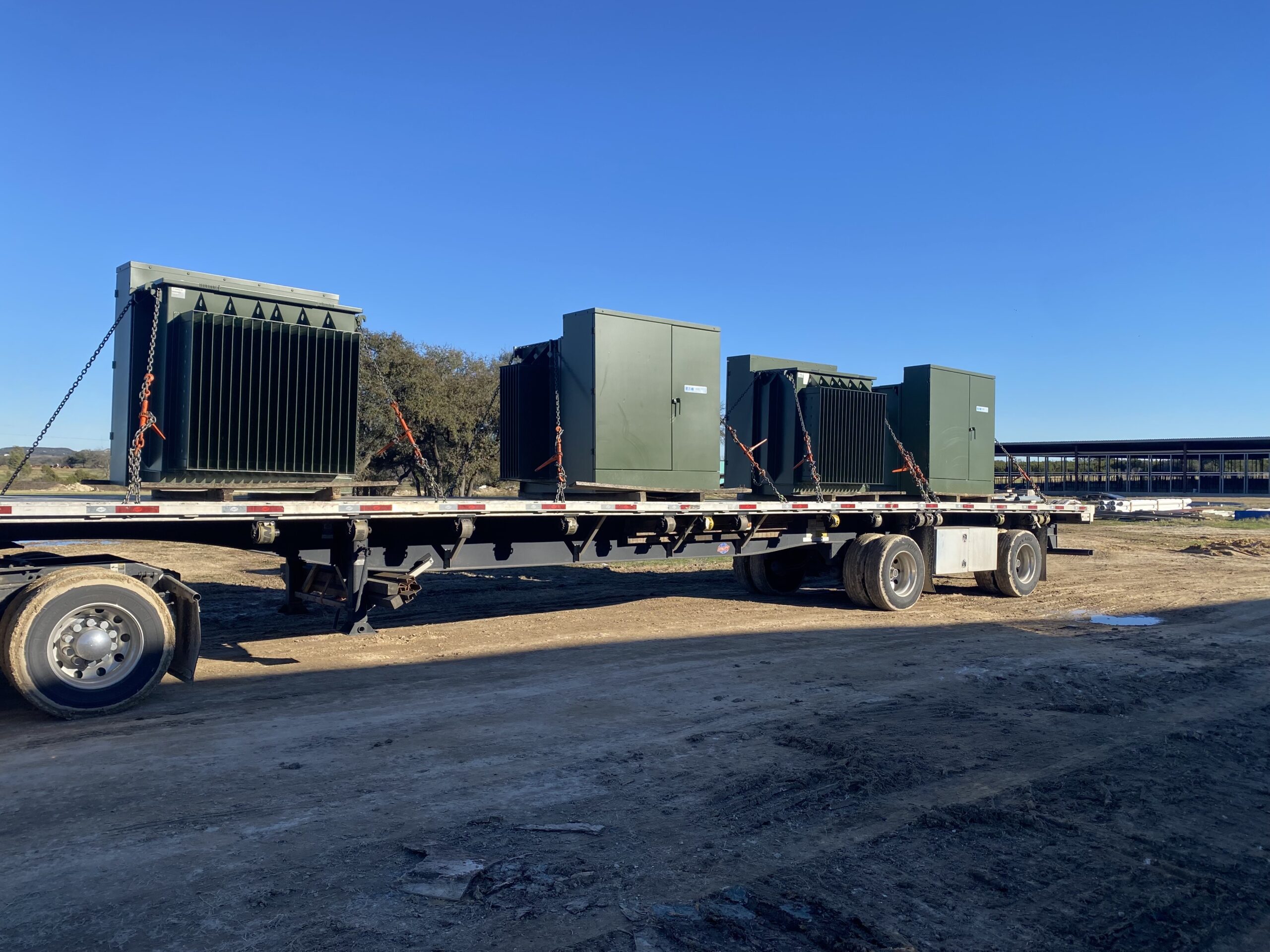
Are Oil-Filled Transformers Regulated When Being Sold if They Are Damaged?
Call (951) 403-5738 | Honest Oil-Filled Transformer Review
Damaged oil-filled transformers require extra caution because the fluid, tank, bushings, seals, labels, and handling condition may affect the review. A damaged oil-filled transformer may have leaks, broken bushings, missing covers, exposed components, fire damage, water exposure, dented tanks, cut wiring, damaged coils, unstable mounting, missing panels, unknown fluid history, or unknown PCB status. These issues should be disclosed before pickup, sale, transportation, or disposal is discussed.
If the transformer is damaged, send close-up photos of leaks, rust, dents, broken bushings, missing covers, damaged doors, fire damage, water exposure, cut wires, damaged coils, exposed parts, unreadable labels, oil stains, and any areas that may affect safe handling. Do not try to hide damage or clean up evidence of leaks without following proper site procedures. Honest condition notes help the buyer evaluate whether the transformer has resale, parts, recovery, recycling, or package value and whether loading is practical.
Before assuming a damaged oil-filled transformer cannot be sold, consider sending a complete photo set for review. A damaged transformer may or may not qualify for purchase, but accurate details give the seller a better chance of getting a useful answer. Call (951) 403-5738 and provide nameplate photos if available, full-unit photos, fluid or PCB records if available, condition notes, location, ownership information, and pickup details so Surplus Equipment Buyers can review the opportunity.
Common Questions About Are Oil-Filled Transformers Regulated When Being Sold?
Are oil-filled transformers regulated when being sold?
Oil-filled transformers may involve regulatory, PCB, fluid, leak, transportation, storage, and documentation considerations depending on the transformer’s age, fluid type, condition, location, labeling, and records.
Can I sell an oil-filled transformer without PCB paperwork?
Possibly, but missing PCB or fluid records can make review more careful. Send nameplate photos, label photos, condition photos, location, ownership details, and any available maintenance or oil records.
Do oil-filled transformers need testing before sale?
Testing records can help, especially for older or unknown units, but a review may begin with photos, nameplate details, condition notes, ownership confirmation, and pickup information.
Can I sell a leaking oil-filled transformer?
A leaking oil-filled transformer requires careful review. Disclose leaks immediately, provide photos, follow site safety procedures, and involve qualified environmental or compliance professionals when needed.
Can I move an oil-filled transformer myself before selling it?
No. Oil-filled transformers can be heavy, hazardous, unstable, or regulated. Movement should be handled by qualified professionals with the proper equipment and site approvals.
Does PCB status affect the sale of an oil-filled transformer?
Yes. Known, suspected, or unknown PCB status can affect how the transformer is reviewed, transported, stored, sold, recycled, or disposed of. Sellers should provide labels and records if available.
Can related electrical equipment help the sale?
Yes. Breakers, switchgear, panels, bus plugs, disconnects, valves, controls, wire, and other equipment may create a stronger overall surplus opportunity.
How do I contact Surplus Equipment Buyers about an oil-filled transformer?
Call (951) 403-5738 or leave a message through the website with transformer photos, oil or fluid records if available, nameplate information, condition notes, location, ownership information, and pickup access details.
Request an Oil-Filled Transformer Review Today
If you are still asking are oil-filled transformers regulated when being sold, contact Surplus Equipment Buyers with safe photos, nameplate details if available, oil or fluid records if available, PCB or non-PCB label photos if visible, condition pictures, pickup-area photos, city and state, removal status, ownership information, and any related equipment photos. Our team reviews used, surplus, removed, old, obsolete, damaged, incomplete, unused, and decommissioned oil-filled transformers for sellers who want a practical path to recover value while keeping documentation, pickup, and handling questions clear.
Call (951) 403-5738 to discuss your oil-filled transformer before removal, after disconnection, or once the unit is staged for loading. Be ready to provide the transformer location, number of units if there are multiple transformers, staging condition, removal status, brand if known, kVA rating if known, voltage and phase if known, nameplate details if available, fluid details if known, condition notes, ownership details, any available records, and loading access information. If you have breakers, switchgear, panels, disconnects, valves, wire, controls, or other industrial equipment available, mention those items during the same conversation.
Do not let uncertainty about oil-filled transformer rules delay a responsible review. Surplus Equipment Buyers helps industrial facilities, electrical contractors, demolition crews, warehouse operators, property owners, plant managers, and industrial sellers review oil-filled transformer selling opportunities, quote needs, pickup details, loading concerns, and payment questions through clear communication and practical buying support. Call (951) 403-5738 today or send your oil-filled transformer details through the contact page to begin the review process.
