- Electrical Circuit Breaker Buyer - Competitive Rates
- (951) 403-5738
- industrial832@gmail.com


Do Transformer Buyers Buy From Utilities?
Scrap Yard vs Transformer Buyer
May 19, 2026Do Buyers Buy From Data Centers & Factories?
May 19, 2026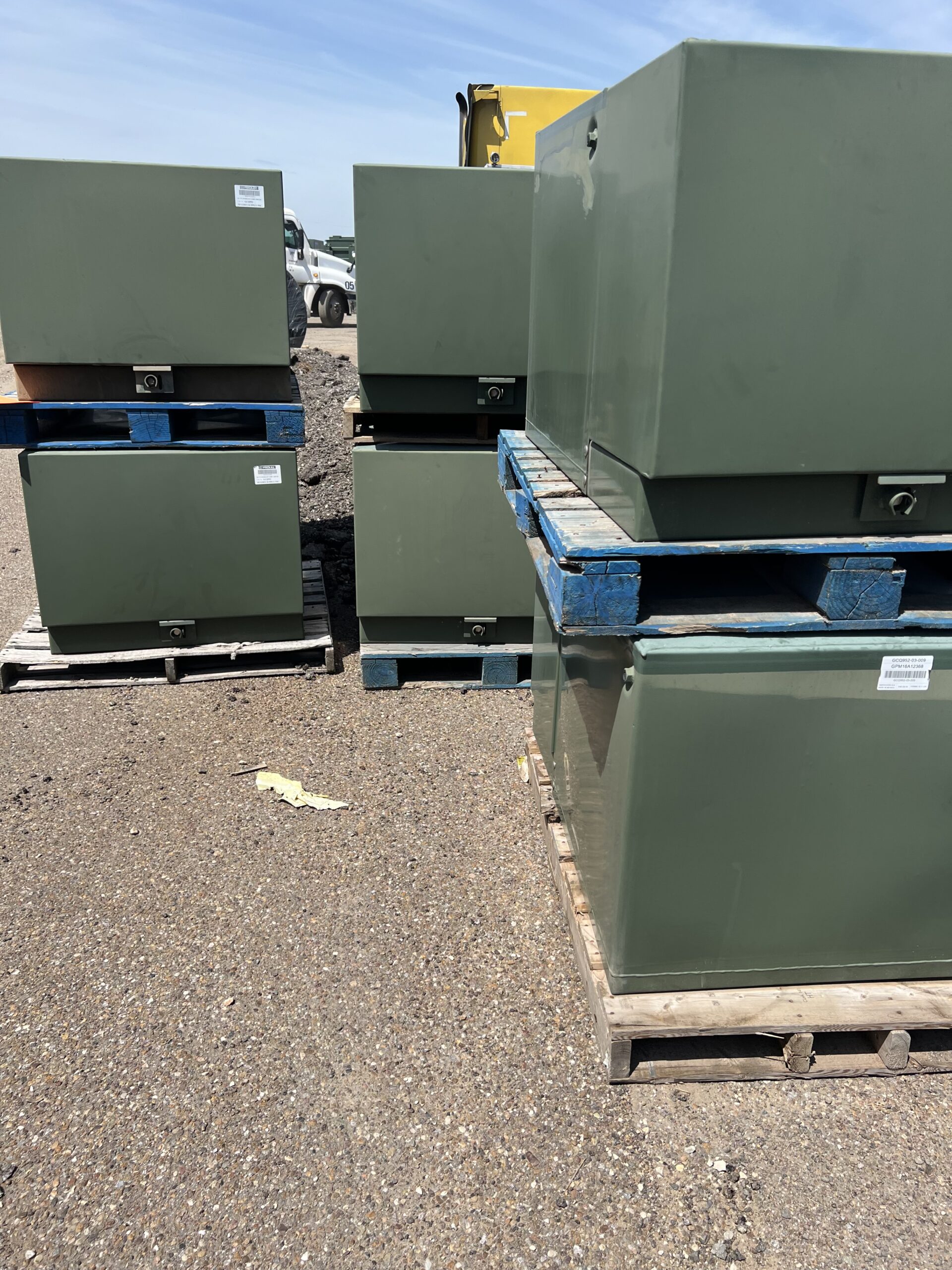
Do Transformer Buyers Buy From Utility Companies?
Call (951) 403-5738 | Surplus Equipment Buyers
If you are asking, “Do transformer buyers buy from utility companies?” the answer is yes, transformer buyers may review surplus transformers from utility companies when the equipment is available for sale, release authority is clear, documentation is available or honestly explained, condition details are disclosed, and pickup access can be handled safely. Surplus Equipment Buyers reviews used, surplus, removed, decommissioned, utility-owned, contractor-removed, municipal, cooperative, commercial, industrial, pad-mounted, pole-mounted, oil-filled, liquid-filled, dry-type, three-phase, damaged, old, obsolete, incomplete, and spare transformers from utility companies, electrical contractors, industrial facilities, commercial properties, demolition projects, warehouses, and sellers with electrical surplus.
Utility companies may have surplus transformers after grid upgrades, service replacements, storm recovery work, warehouse inventory reductions, substation changes, capital improvement projects, equipment standardization, municipal power projects, cooperative utility changes, asset retirement programs, and decommissioning work. Some utility transformers may be reusable, while others may be better suited for parts recovery, recycling, or regulated handling. The review depends on the transformer type, condition, documentation, ownership, age, fluid status, PCB records if applicable, location, and pickup logistics. Call (951) 403-5738 and send photos, nameplate details, condition notes, inventory lists, release details, and pickup access information for review.
Utility transformers can be valuable, but they also require careful review. A buyer may need to understand whether the transformer is owned by the utility, released through a utility asset process, removed by a contractor, stored in a utility yard, tied to a public agency, or included in a larger electrical surplus package. Used transformers may also raise documentation, testing, oil, PCB, transportation, and safety questions. The best first step is to organize the equipment information before assuming the transformers should go directly to scrap, auction, disposal, or long-term storage.
Why Sellers Ask Do Transformer Buyers Buy From Utility Companies?
Sellers ask do transformer buyers buy from utility companies because utility transformer surplus can be different from standard commercial surplus. Utility companies may handle larger volumes, multiple equipment locations, strict internal asset-release procedures, environmental documentation, inventory tracking, contractor removal records, and site access rules. A transformer buyer may be interested, but the buyer needs enough information to review the equipment responsibly and determine whether a purchase, pickup, or broader surplus lot review is practical.
Surplus Equipment Buyers reviews utility transformer opportunities using the information available. Helpful details include the city and state, utility or facility type, number of transformers, manufacturer, model number, serial number, kVA rating, voltage, phase, transformer type, age if known, working status if known, removal status, storage condition, oil or fluid information if shown, PCB or non-PCB label information if available, ownership or release authority, and pickup access notes. A readable nameplate photo for each transformer can help the review move faster.
Utility sellers should avoid guessing. If the transformer is untested, say untested. If PCB status is unknown, say unknown. If the transformer was removed after failure, say that. If the unit was replaced due to an upgrade or standardization program, explain that. Honest information allows the buyer to determine whether the transformer may have resale value, parts value, recovery value, recycling value, or regulated handling concerns.
Do Transformer Buyers Buy From Utility Companies for Cash Quotes?
Call (951) 403-5738 | Send Utility Transformer Inventory Details
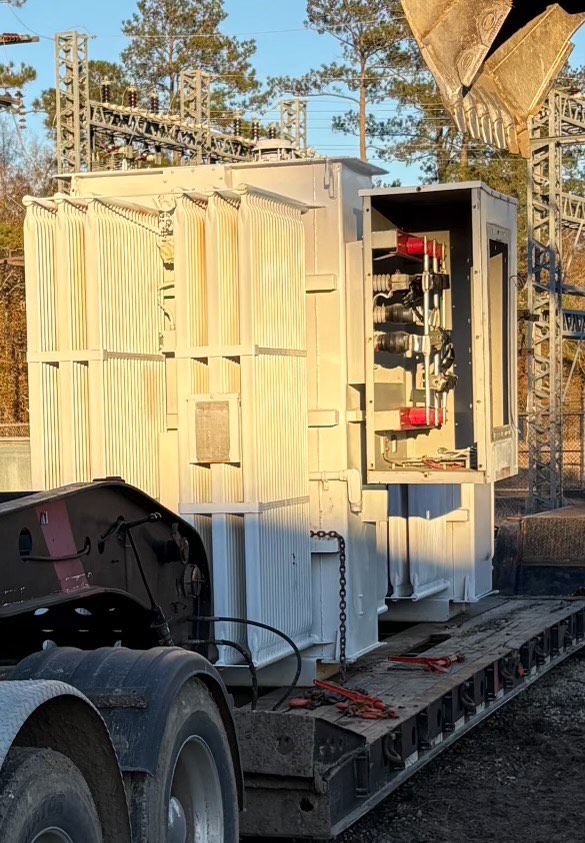
Transformer buyers may review utility company transformers for cash quotes when the equipment is clearly identified and available for sale. The quote process should begin with full-unit photos, nameplate photos, condition photos, group photos if there are multiple units, pickup-area photos, city and state, removal status, storage details, ownership information, and any available test or maintenance records. For utility companies with multiple transformers, a simple spreadsheet or inventory list can make the review much easier.
The transformer nameplate may show the manufacturer, kVA rating, voltage, phase, frequency, serial number, temperature rise, impedance, enclosure details, wiring diagram, weight, and fluid information. Utility transformer lots may include different ratings, years, conditions, and configurations, so each unit should be documented separately when possible. A buyer cannot accurately review a mixed utility inventory if all transformers are treated as identical.
If the transformers are oil-filled or liquid-filled, include oil records, PCB records, non-PCB labels, test reports, inspection notes, leak history, or maintenance details when available. If those records are missing, say that clearly. Missing records do not automatically stop a review, but they can affect quote confidence, transportation planning, recycling decisions, and whether additional professional review may be needed before pickup.
What Utility Transformer Details Help a Buyer Review the Lot?
A utility transformer review is stronger when the seller provides organized details. Useful information includes quantity, manufacturer, kVA, voltage, phase, pad-mounted or pole-mounted type, oil-filled or dry-type design, serial numbers, removal dates if known, working status, storage location, condition notes, documentation status, and whether the transformers are sold individually or as one lot. If the utility has photos tied to asset tags or inventory numbers, that can help the buyer match each transformer to the correct record.
Condition details matter. Sellers should disclose leaks, oil staining, water exposure, fire damage, severe rust, broken bushings, missing covers, damaged tanks, missing parts, missing nameplates, cut wires, or unknown working condition. Utility transformers may sit in yards for long periods after removal, and storage condition can affect value. A transformer stored upright, protected, identified, and staged near loading access may be easier to review than equipment scattered, unlabeled, or mixed with scrap.
Related electrical equipment may also strengthen the opportunity. Utility surplus may include breakers, switchgear, panels, disconnects, controls, wire, valves, meters, cabinets, and other industrial equipment. Sellers with broader packages may review the industrial equipment buyer page to understand how multiple surplus categories can be reviewed together.
Do Transformer Buyers Buy From Municipal and Cooperative Utility Companies?
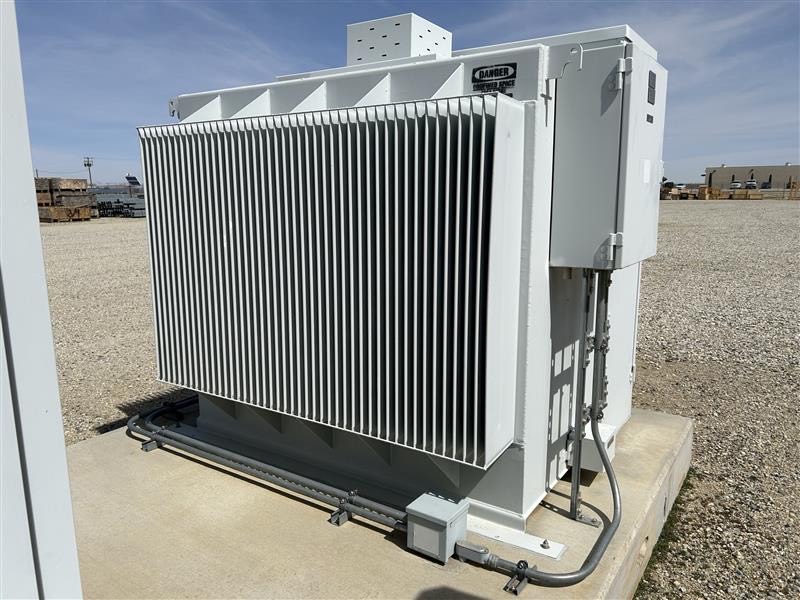
Transformer buyers may review surplus equipment from municipal utilities, electric cooperatives, public agencies, local utility departments, and related utility service organizations when the equipment is available for sale and the proper release process is followed. Municipal and cooperative utility surplus may involve procurement rules, public asset disposal procedures, board approvals, auction requirements, surplus declarations, or internal asset-release documentation. A buyer can review the equipment, but the seller should confirm the correct process for releasing the transformer before pickup or payment is discussed.
Municipal and cooperative utility sellers should provide clear ownership and release information. Is the transformer owned by the utility, city, county, district, co-op, contractor, or property owner? Has it been declared surplus? Is it available for direct sale, quote review, auction, bid process, or disposal? Does the buyer need to follow a specific purchasing procedure? These details help avoid confusion and prevent delays after interest is established.
If the utility equipment is part of a larger surplus package, mention all available items during the first conversation. Switchgear, circuit breakers, panels, bus plugs, disconnects, wire, valves, controls, and other electrical assets may be available with the transformers. Sellers with breaker inventory can review the sell circuit breakers Bakersfield page, while valve sellers may find examples such as Tennessee valve buyers, Mississippi valve buyers, and Maryland valve buyers useful for broader surplus categories.
Do Transformer Buyers Buy From Utility Contractors?
Transformer buyers may also review utility transformers from contractors when the contractor has clear authority to sell the equipment. Utility contractors, electrical contractors, demolition contractors, maintenance contractors, and decommissioning crews may remove transformers during replacement projects, service upgrades, storm recovery, facility work, or public utility improvements. However, a contractor should confirm whether the transformer belongs to the utility, the property owner, the contractor, or another responsible party before offering it for sale.
Contractor-held utility transformers may be reviewed when the seller can explain the project, removal status, ownership or release authority, transformer specifications, condition, and pickup location. If the contractor has salvage rights or written release approval, that should be documented. If the contractor does not own the transformer, the buyer may need additional confirmation from the utility, property owner, general contractor, or asset manager before moving forward.
Contractors should take photos before equipment is damaged, stripped, or mixed with scrap. A readable nameplate, visible condition details, and accurate pickup information can help determine whether the transformer should be reviewed as surplus equipment, parts recovery, recycling material, or a larger lot opportunity.
Do Transformer Buyers Buy From Utility Companies When Pickup Is Needed?
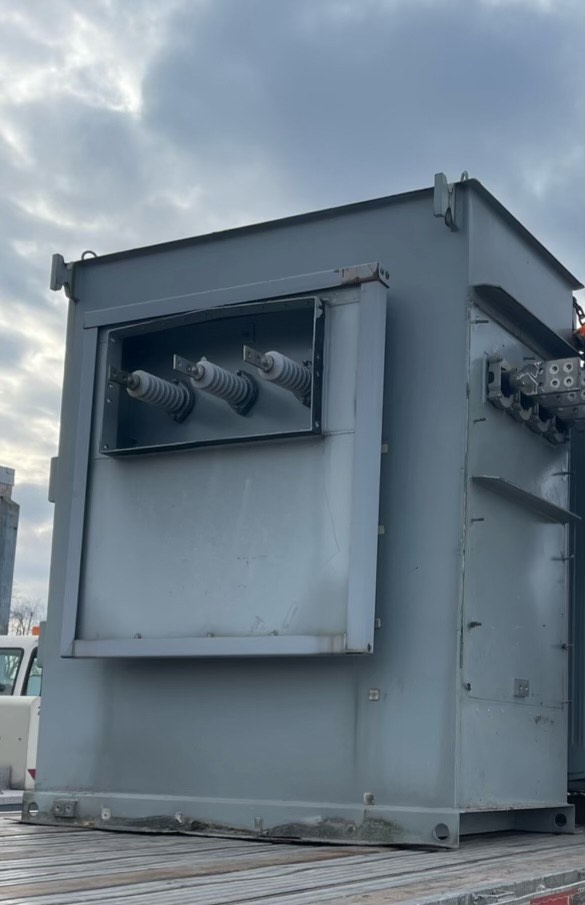
Transformer buyers may review utility company transformers when pickup is needed, but logistics must be clearly documented. Utility transformers may be stored in yards, substations, warehouses, fenced facilities, maintenance depots, pole yards, outdoor pads, staging areas, or contractor lots. Pickup can depend on access rules, loading equipment, security procedures, appointment windows, weight, condition, environmental status, and whether the transformers are staged for truck access.
Before requesting a quote or pickup review, provide pickup details. Tell the buyer whether the transformers are indoors or outdoors, already disconnected or still installed, on pads, pallets, floors, trailers, racks, warehouse areas, utility yards, substations, or storage lots. Mention whether a truck can access the equipment, whether there is a loading dock, forklift, crane access, rigging support, pallet jack access, spill containment requirements, escort requirements, or a clear path to the loading area.
Site restrictions can affect the sale. Gate hours, appointment requirements, insurance requirements, environmental requirements, safety rules, utility-yard access, active work zones, escort requirements, security check-in, soft ground, gravel, overhead lines, narrow access, blocked equipment, and available loading help should be disclosed early. A transformer may qualify for review, but missing access details can affect the final offer or pickup decision.
How Loading and Transportation Affect Utility Transformer Value
Loading and transportation can affect utility transformer value because many utility transformers are heavy, oil-filled, awkward to move, or stored in areas that require site coordination. A transformer staged near a loading area with forklift or crane support may be easier to review than one stored behind other equipment, sitting on uneven ground, or located inside a restricted utility area. The buyer needs to understand the real pickup conditions before discussing a practical offer.
Wide pickup-area photos can help. Show the access route, loading area, gate, driveway, yard surface, warehouse aisle, dock, crane access, forklift route, surrounding obstacles, and ground condition. If onsite loading equipment is available, mention what type of equipment is available and who is authorized to operate it. If the transformer is difficult to reach or blocked by other utility equipment, say so upfront.
If the transformer is heavy, damaged, oil-filled, leaking, unstable, or difficult to access, do not attempt unsafe movement just to prepare it for sale. Heavy electrical equipment should only be moved with proper equipment and qualified help. Safe photos and honest site details are enough to begin the buyer review.
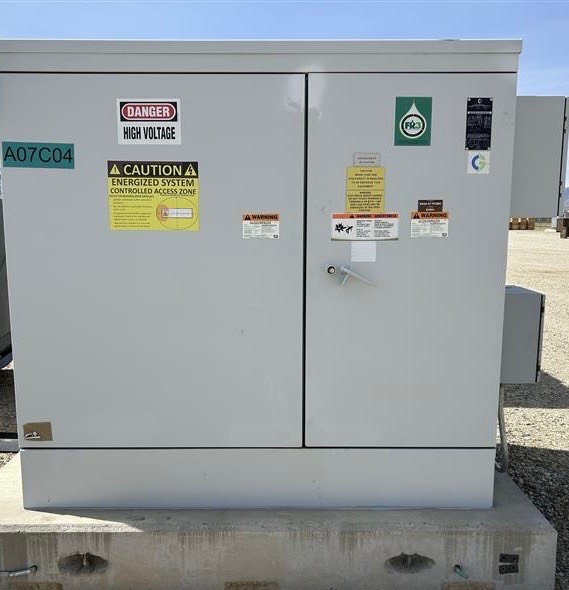
Do Transformer Buyers Buy From Utility Companies After Decommissioning Projects?
Utility companies may have surplus transformers after decommissioning projects, grid modernization, substation changes, facility consolidation, system upgrades, storm recovery, warehouse cleanouts, and equipment standardization. These projects may produce multiple transformers and related electrical surplus with mixed values. Some equipment may be reusable. Some may be outdated. Some may require parts recovery, responsible recycling, environmental review, or regulated handling.
Timing matters during utility decommissioning work. If transformers must be moved before a yard is cleared, before a warehouse project closes, before equipment is auctioned, before a contractor finishes a phase, or before a utility completes asset disposition, the buyer needs accurate information early. Waiting too long can lead to rushed removal, lost documentation, additional damage, blocked access, missing nameplates, or lower recovery value.
Location-specific transformer pages, such as selling surplus transformers near Phoenix and selling surplus transformers near Michigan, show how transformer selling needs may vary by region, project type, and equipment availability. The same principle applies to utility company transformer sales: better photos, clearer records, stronger release details, and organized inventory lists help determine whether the transformers should be reviewed before going to scrap, auction, or disposal.
How Documentation Helps Utility Companies Sell Transformers
Documentation can help utility companies sell transformers more efficiently. Helpful information may include nameplate photos, asset numbers, inventory lists, PCB or non-PCB labels, oil sample records, laboratory results, inspection records, maintenance notes, leak history, removal notes, ownership approval, surplus declaration, release authorization, procurement instructions, pickup instructions, site contacts, and access requirements. Not every seller has every document, but available records should be provided during the quote review.
If paperwork is missing, sellers should still send current photos and explain what is unknown. A transformer with missing paperwork may still be reviewed, but the buyer may need more information before discussing purchase, pickup, transportation, recycling, or disposal options. Guessing about PCB status, fluid status, working condition, ownership, or release authority can create serious delays.
If multiple transformers or electrical surplus items are available, organize each major item with its own photos, nameplate or label image, condition notes, available records, and pickup details. A full inventory can help the buyer compare the total package instead of looking only at one transformer’s scrap value.
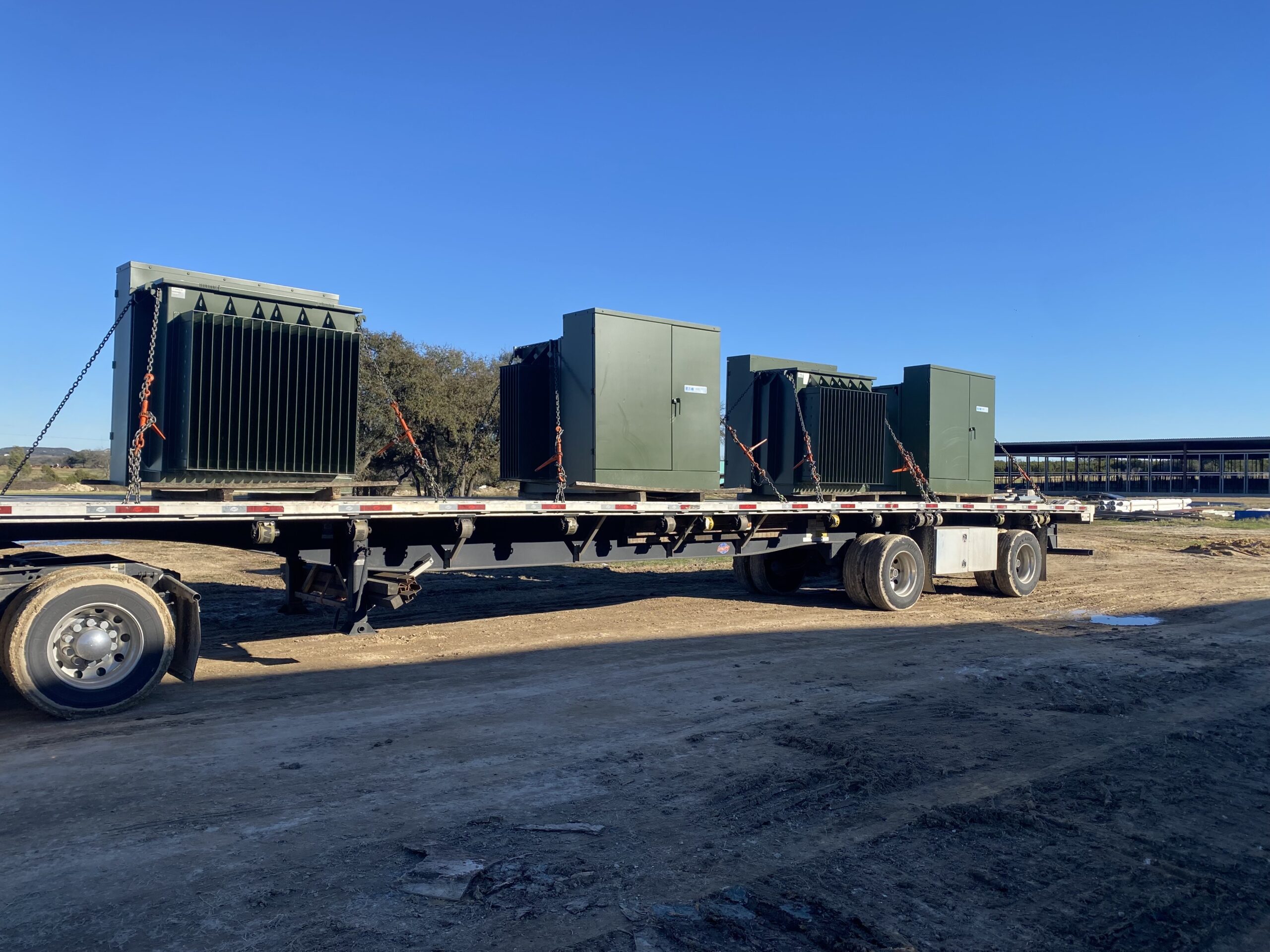
Do Transformer Buyers Buy Damaged or Obsolete Utility Transformers?
Call (951) 403-5738 | Utility Transformer Review
Damaged or obsolete utility transformers may still be reviewed, but the value and handling path may be different from a clean, complete, reusable unit. A damaged utility transformer may have parts value, recovery value, recycling value, or package value when included with other surplus electrical equipment. An obsolete transformer may still be worth reviewing if it is identifiable, complete, and practical to pick up.
If utility transformers are damaged, send close-up photos of leaks, rust, dents, broken bushings, missing covers, damaged doors, fire damage, water exposure, cut wires, damaged coils, exposed parts, unreadable labels, oil stains, and any areas that may affect safe handling. Do not try to hide damage. Honest condition notes help the buyer evaluate whether the transformer has resale, parts, recovery, recycling, or package value.
Before assuming damaged or obsolete utility transformers should go straight to scrap, consider sending a complete photo set for review. A utility transformer may or may not qualify for purchase above scrap value, but accurate details give the seller a better chance of getting a useful answer. Call (951) 403-5738 and provide nameplate photos if available, full-unit photos, condition notes, any available records, location, ownership information, and pickup details so Surplus Equipment Buyers can review the opportunity.
Common Questions About Do Transformer Buyers Buy From Utility Companies?
Do transformer buyers buy from utility companies?
Yes, transformer buyers may review surplus transformers from utility companies when ownership or release authority is clear, the equipment can be identified, condition details are disclosed, and pickup access is practical.
Can municipal utilities sell surplus transformers?
Municipal utilities may be able to sell surplus transformers, but they should follow their internal surplus, procurement, auction, bid, or asset-release procedures before finalizing a sale.
Can electric cooperatives sell used transformers?
Electric cooperatives may be able to sell used or surplus transformers when the equipment is released properly and the buyer receives enough photos, documentation, condition details, and pickup information.
Can utility contractors sell removed transformers?
Utility contractors may be able to sell removed transformers only when they have clear ownership, salvage rights, or release authorization from the responsible party.
What should a utility company send for a transformer quote?
Send inventory lists, group photos, individual transformer photos, nameplate photos, condition notes, oil or PCB records if available, city and state, ownership or release details, and pickup access information.
Do buyers purchase damaged utility transformers?
Possibly. Damaged utility transformers may still have parts, recovery, recycling, or package value, but damage must be disclosed with clear photos.
Can utility transformer lots include related electrical equipment?
Yes. Breakers, switchgear, panels, bus plugs, disconnects, valves, controls, wire, meters, and other utility surplus equipment may create a stronger overall opportunity.
How do I contact Surplus Equipment Buyers about utility transformer surplus?
Call (951) 403-5738 or leave a message through the website with transformer photos, inventory details, nameplate information if available, condition notes, location, ownership information, and pickup access details.
Request a Utility Transformer Buyer Review Today
If you are still asking do transformer buyers buy from utility companies, contact Surplus Equipment Buyers before sending utility transformers straight to scrap, auction, storage, or disposal. Send safe photos, nameplate details if available, condition pictures, inventory lists, pickup-area photos, city and state, removal status, ownership or release information, and any related equipment photos. Our team reviews used, surplus, removed, old, obsolete, damaged, incomplete, unused, and decommissioned utility transformers for sellers who want a practical path to recover value from electrical equipment.
Call (951) 403-5738 to discuss utility-owned transformers, contractor-removed transformers, municipal surplus, electric cooperative surplus, or utility yard inventory. Be ready to provide the transformer location, number of units, staging condition, removal status, brand if known, kVA rating if known, voltage and phase if known, nameplate details if available, fluid details if known, PCB records if available, condition notes, ownership details, any available records, and loading access information. If you have breakers, switchgear, panels, disconnects, valves, meters, wire, controls, or other utility equipment available, mention those items during the same conversation.
Do not assume utility transformers must be scrapped without a buyer review. Surplus Equipment Buyers helps utility companies, utility contractors, municipal power departments, electric cooperatives, industrial facilities, electrical contractors, demolition crews, warehouse operators, property owners, and plant managers review transformer buyer value, quote needs, pickup details, loading concerns, recycling options, documentation questions, and payment questions through clear communication and practical buying support. Call (951) 403-5738 today or send your utility transformer details through the contact page to begin the utility transformer surplus review process.
