- Electrical Circuit Breaker Buyer - Competitive Rates
- (951) 403-5738
- industrial832@gmail.com


How Do I Find a Reputable Transformer Buyer?
Do Buyers Buy From Data Centers & Factories?
May 19, 2026Best Way to Sell Surplus Transformers Quickly
May 19, 2026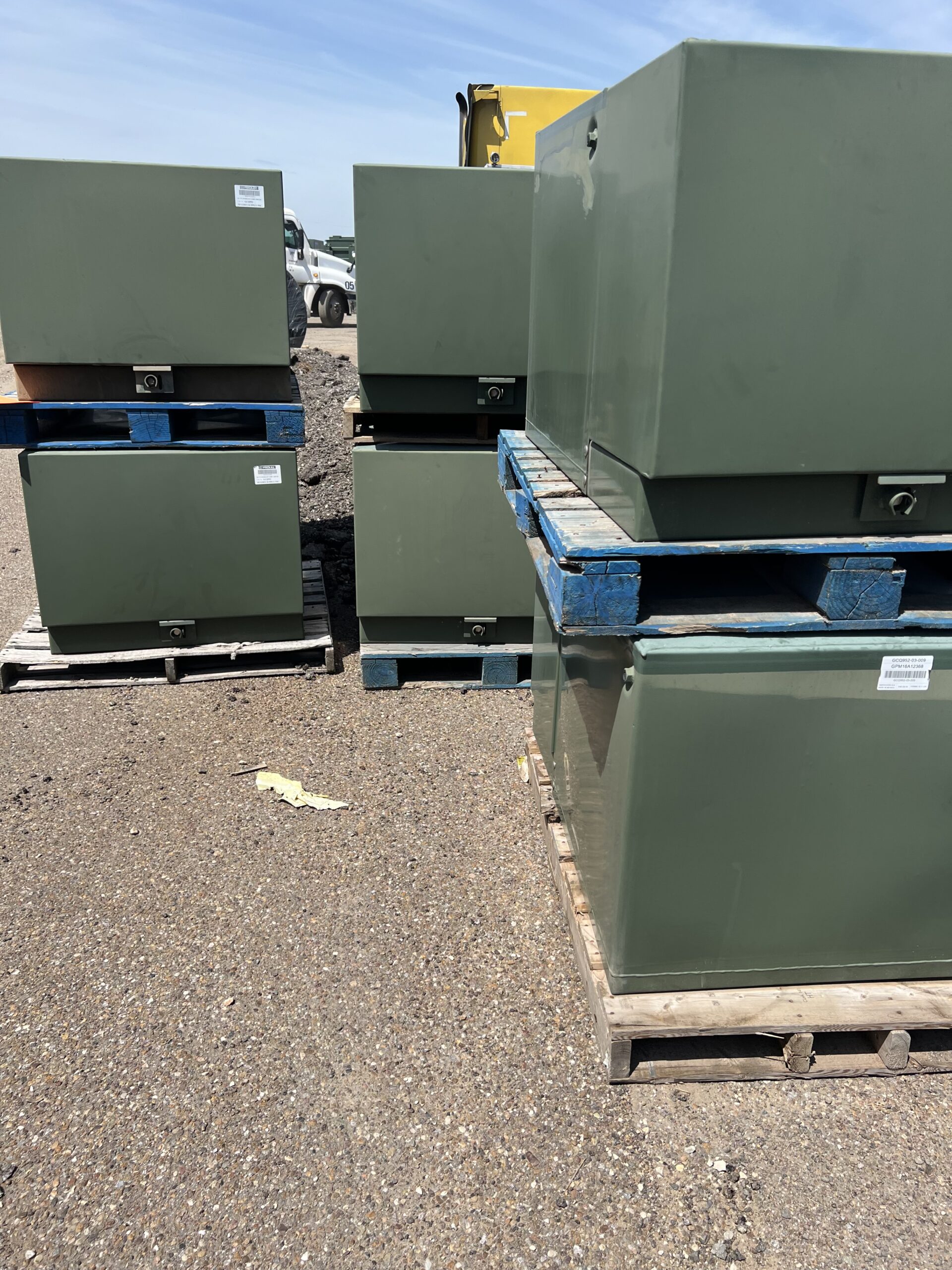
How Do I Find a Reputable Transformer Buyer?
Call (951) 403-5738 | Surplus Equipment Buyers
If you are asking, “How do I find a reputable transformer buyer?” the best place to start is by looking for a buyer who understands transformer value, asks for the right information, communicates clearly, reviews pickup access honestly, and does not treat every transformer like basic scrap. A reputable buyer should be able to review used, surplus, removed, decommissioned, dry-type, oil-filled, liquid-filled, pad-mounted, pole-mounted, three-phase, isolation, step-up, step-down, damaged, obsolete, incomplete, and industrial transformers based on photos, nameplate details, condition, documentation, location, ownership, and loading requirements.
A trustworthy transformer buyer should ask for full-unit photos, clear nameplate photos, condition photos, pickup-area photos, city and state, removal status, ownership or release authority, and any available testing, oil, maintenance, or PCB records. That information helps the buyer determine whether the transformer may have resale value, reuse potential, parts value, recovery value, recycling value, or regulated handling concerns. Call (951) 403-5738 and send your transformer photos and details to Surplus Equipment Buyers for a practical review.
A used transformer may be worth more than scrap when it has useful specifications, recognizable manufacturer information, complete components, readable nameplate details, good condition, known removal history, and practical pickup access. A reputable transformer buyer should help you understand what matters instead of rushing you into a vague offer. Whether you are selling one transformer or a full electrical surplus lot, the buyer should explain what information is needed and what factors may affect the quote.
Why Sellers Ask How Do I Find a Reputable Transformer Buyer?
Sellers ask how do I find a reputable transformer buyer because transformers are heavy, technical, valuable, and sometimes difficult to evaluate. A contractor may not know whether a removed transformer has resale value. A facility manager may not know whether an old transformer should be scrapped, sold, recycled, or reviewed as part of a larger surplus lot. A demolition contractor may need a buyer who understands pickup timing and site access. A property owner may need help figuring out whether the transformer is safe to move or whether documentation is missing.
Surplus Equipment Buyers reviews transformer opportunities using the information available. Helpful details include the city and state, transformer type, manufacturer, model number, serial number, kVA rating, voltage, phase, fluid information if shown, PCB or non-PCB label information if available, oil sample records if available, condition, working status if known, removal status, ownership or release authority, and pickup access notes. A reputable buyer should ask for these details because they affect value, safety, and logistics.
The right buyer should not pressure you to move quickly without understanding the transformer. If the unit is oil-filled, damaged, leaking, missing paperwork, missing a nameplate, or still installed, the review should be careful and honest. If the transformer is clean, complete, staged, and documented, the buyer should still explain how specifications, condition, demand, pickup cost, and related surplus equipment may affect the offer.
How Do I Find a Reputable Transformer Buyer for a Cash Quote?
Call (951) 403-5738 | Send Photos and Nameplate Details
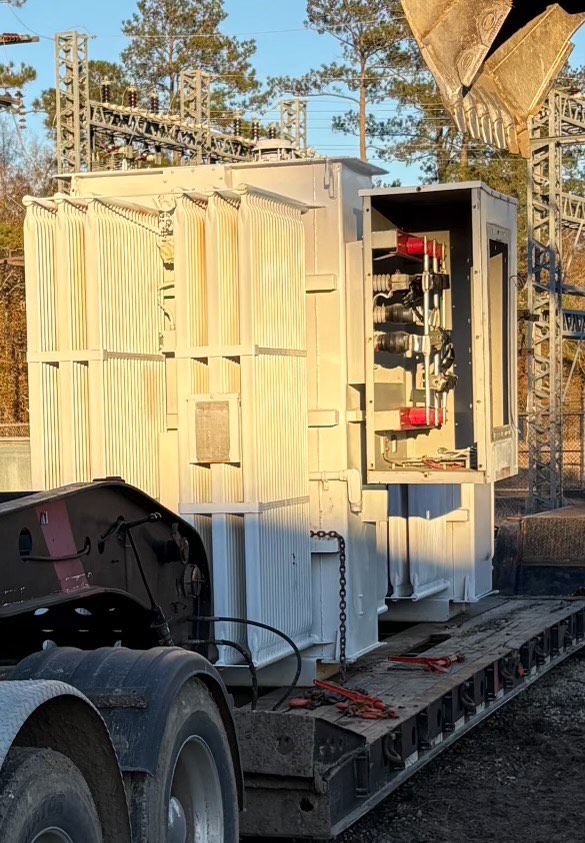
A reputable transformer buyer should be able to explain what is needed for a quote before making assumptions. The review should begin with full-unit photos, nameplate photos, condition photos, pickup-area photos, city and state, removal status, ownership information, and any available records. A buyer who only asks for weight may be looking at the transformer like scrap. A buyer who asks for kVA, voltage, phase, manufacturer, nameplate, condition, location, and pickup details is more likely reviewing the transformer as equipment first.
The transformer nameplate may show the manufacturer, kVA rating, voltage, phase, frequency, serial number, temperature rise, impedance, enclosure details, wiring diagram, weight, and fluid information. These details can affect whether the transformer has equipment value, parts value, recovery value, or only scrap value. A reputable buyer should understand why the nameplate matters and should ask for readable photos when possible.
For oil-filled or liquid-filled transformers, a responsible buyer may also ask about oil records, PCB records, non-PCB labels, test reports, inspection notes, leak history, or maintenance details when available. Missing records do not automatically stop a review, but they can affect quote confidence, transportation planning, recycling decisions, and whether additional professional review may be needed before pickup.
Signs of a Reputable Transformer Buyer
A reputable transformer buyer communicates clearly, asks for photos before quoting, explains what details matter, reviews equipment condition honestly, discusses pickup access, and does not promise unrealistic results before seeing the transformer. The buyer should understand that a transformer’s value can depend on manufacturer, kVA, voltage, phase, type, age, condition, completeness, testing history, environmental status, buyer demand, and transportation costs.
A reputable buyer should also be comfortable reviewing different seller situations. That may include electrical contractors, demolition contractors, facility managers, industrial plants, data centers, hospitals, commercial buildings, utility contractors, warehouses, property owners, and sellers with bulk electrical surplus. Sellers with broader packages may review the industrial equipment buyer page to understand how multiple surplus categories can be reviewed together.
A strong buyer should not ignore safety. If the transformer is still installed, energized, oil-filled, leaking, heavy, damaged, or located in a restricted area, the buyer should recommend proper professionals, safe access, clear documentation, and realistic pickup planning. A buyer who tells a seller to cut wires, drain oil, move the transformer without equipment, or hide condition issues should be avoided.
How Do I Find a Reputable Transformer Buyer for Commercial and Industrial Sites?
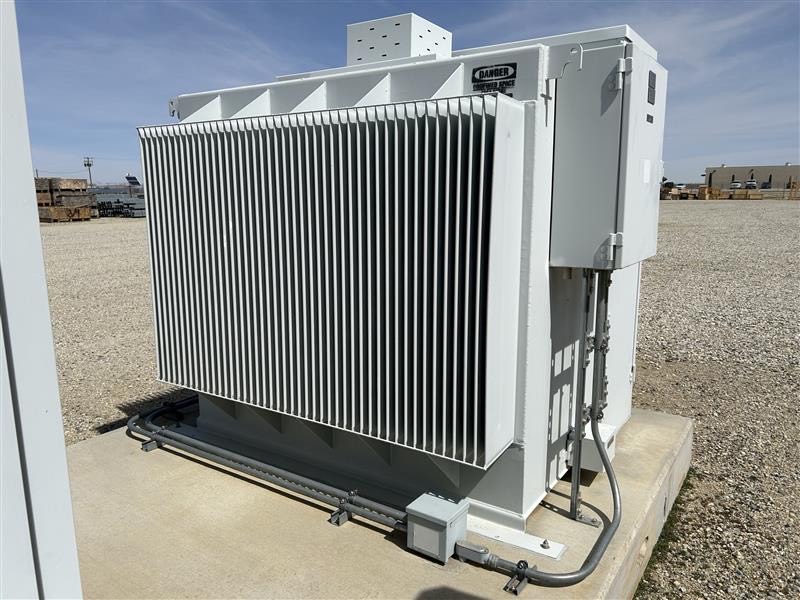
A reputable transformer buyer should understand how transformer sales work in commercial and industrial environments. Commercial buildings, data centers, hospitals, factories, warehouses, manufacturing plants, schools, office buildings, retail centers, hotels, and mixed-use properties may have different access rules, ownership structures, loading requirements, safety procedures, and documentation needs. The buyer should ask about those details before pickup is scheduled.
Commercial and industrial sellers should provide clear context. Is the transformer still installed? Is it already disconnected? Is it inside an electrical room? Is it outdoors on a pad? Is it stored in a warehouse or yard? Is there a loading dock, forklift, crane access, freight elevator, gate, security check-in, or appointment requirement? These details help a reputable buyer review whether the transformer can be purchased and moved practically.
If the site includes additional electrical surplus, mention it during the first conversation. Switchgear, circuit breakers, panels, bus plugs, disconnects, wire, valves, controls, and other electrical assets may be available with the transformer. Sellers with breaker inventory can review the sell circuit breakers Bakersfield page, while valve sellers may find examples such as Tennessee valve buyers, Mississippi valve buyers, and Maryland valve buyers useful for broader surplus categories.
Red Flags When Choosing a Transformer Buyer
A buyer may not be reputable if they refuse to explain how the transformer is evaluated, make a quote without asking for basic information, pressure the seller to accept immediately, ignore ownership questions, avoid pickup details, or claim every transformer is worth the same based only on weight. A buyer may also be a poor fit if they do not ask about nameplate details, condition, documentation, oil or PCB status, loading access, or whether the equipment is part of a larger surplus lot.
Be cautious if a buyer asks the seller to perform unsafe work. Sellers should not cut into energized equipment, drain transformer oil, remove covers, sample fluid, move heavy transformers without qualified help, or hide visible damage. A reputable buyer should encourage safe documentation, honest condition notes, and qualified professionals when electrical, rigging, environmental, or transportation questions are involved.
Another red flag is vague communication. If a buyer cannot explain what they need, where they serve, what affects value, how pickup may work, or what happens after the quote is accepted, the seller may not get a smooth transaction. A reputable transformer buyer should make the review process easier, not more confusing.
How Do I Find a Reputable Transformer Buyer Before Pickup?
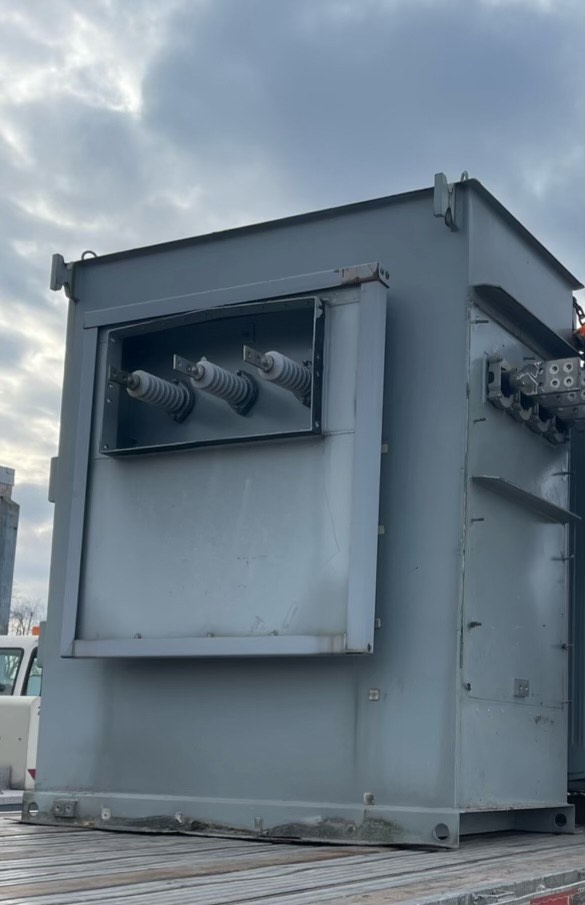
A reputable transformer buyer should review pickup access before making the sale sound simple. Transformers can be heavy, awkward, oil-filled, damaged, hard to reach, blocked by equipment, stored on soft ground, located behind security gates, or positioned inside electrical rooms. A serious buyer should ask whether the transformer is already disconnected, staged, indoors or outdoors, on a pad, pallet, floor, trailer, rack, warehouse area, yard, or electrical room.
Before requesting a quote or pickup review, provide loading details. Tell the buyer whether a truck can access the transformer, whether there is a loading dock, forklift, crane access, rigging support, pallet jack access, spill containment requirement, freight elevator, or clear path to the loading area. Mention gate hours, appointment requirements, insurance requirements, safety rules, active production zones, escort requirements, security check-in, stairs, narrow doors, gravel, soft ground, curbs, bollards, fences, overhead limitations, blocked access, and available loading help.
A reputable buyer should not promise easy pickup before seeing the site. Pickup costs, loading support, distance, weight, damage, environmental concerns, and related surplus can all affect the final review. A transformer may have buyer interest, but missing access details can affect the final offer or pickup decision.
How Pickup Planning Shows Buyer Reputation
Pickup planning is one of the clearest ways to identify a reputable transformer buyer. A serious buyer wants to avoid wasted trips, unsafe handling, surprise loading problems, and unclear site expectations. They should ask for wide photos of the access route, loading area, dock, gate, driveway, warehouse aisle, yard position, surrounding obstacles, and ground condition.
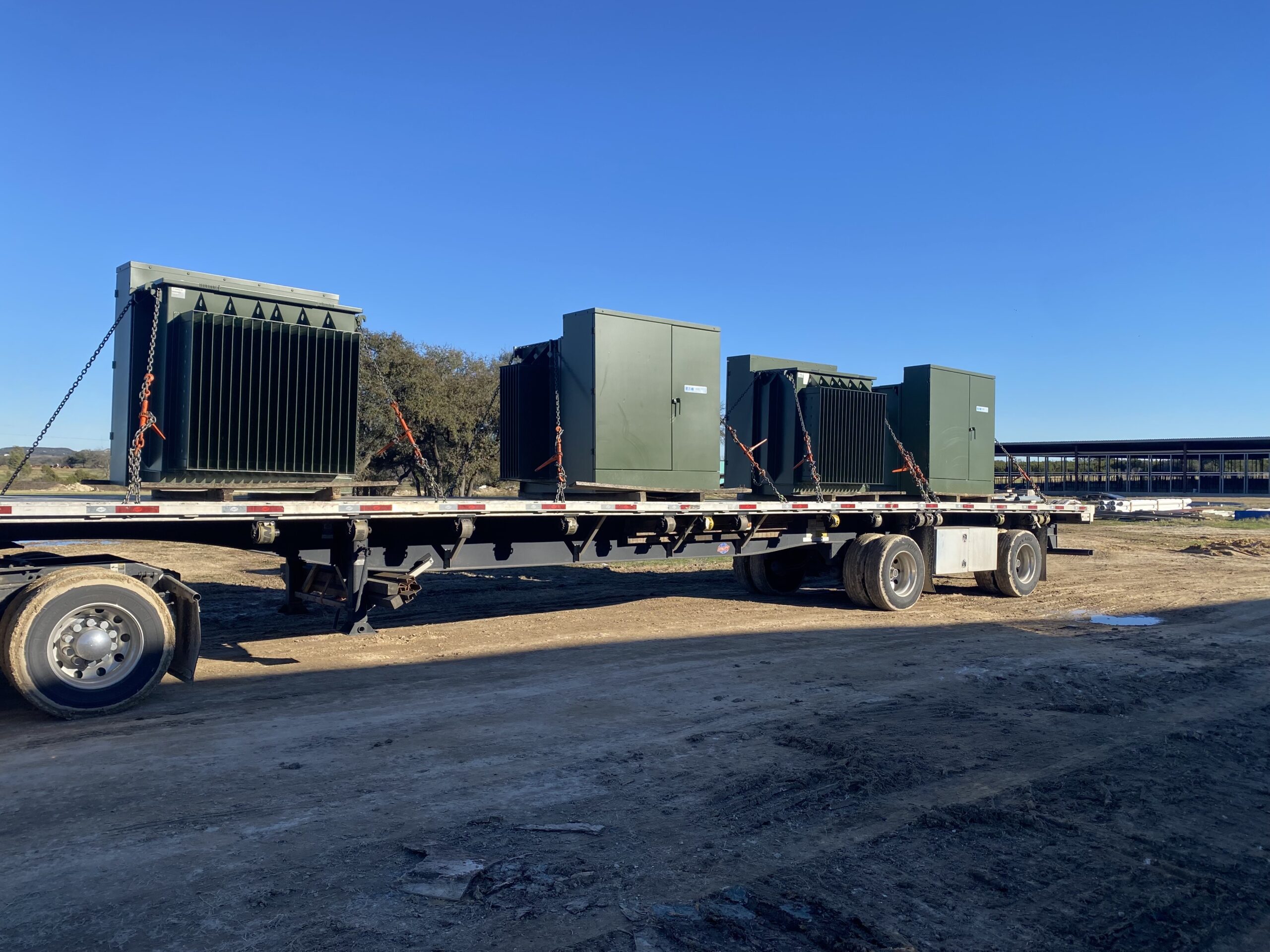
If onsite loading equipment is available, a reputable buyer should ask what type of equipment is available and who is authorized to operate it. If a crane, rigging crew, forklift, flatbed, step-deck trailer, or appointment window may be needed, that should be discussed before pickup is scheduled. Responsible pickup planning protects the seller, buyer, facility, and equipment.
If the transformer is heavy, damaged, oil-filled, leaking, unstable, or difficult to access, do not attempt unsafe movement just to prepare it for sale. Heavy electrical equipment should only be moved with proper equipment and qualified help. Safe photos and honest site details are enough to begin a reputable buyer review.
How Do I Find a Reputable Transformer Buyer for Bulk Surplus or Decommissioning Projects?
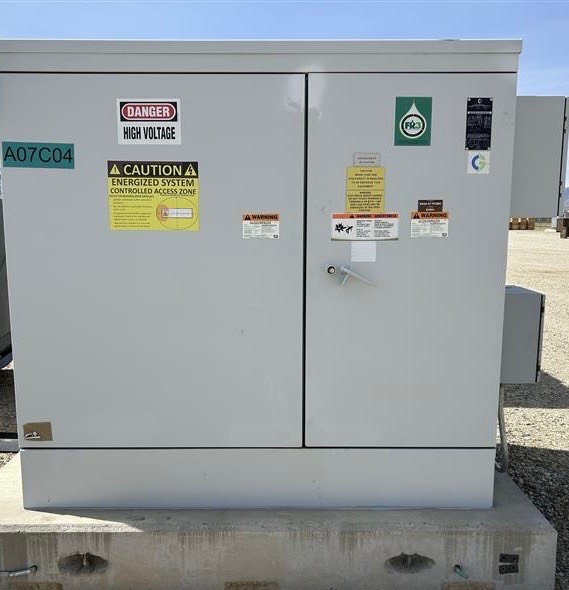
A reputable transformer buyer should be able to review bulk transformer lots, electrical surplus packages, shutdown projects, facility cleanouts, plant closures, warehouse inventory reductions, data center decommissioning projects, utility equipment changes, and demolition-related surplus. Bulk opportunities require more organization than a single transformer sale because multiple items may have different conditions, values, locations, and pickup requirements.
For bulk lots, sellers should send group photos, individual transformer photos, nameplate photos, condition notes, inventory lists, and pickup-area photos. If breakers, switchgear, panels, disconnects, bus plugs, wire, controls, valves, or other equipment are included, list those items too. A reputable buyer should review the entire opportunity instead of ignoring valuable equipment that may be included with the transformer.
Location-specific transformer pages, such as selling surplus transformers near Phoenix and selling surplus transformers near Michigan, show how transformer selling needs may vary by region, project type, and equipment availability. The same principle applies when choosing a buyer: better photos, clearer records, stronger release details, and organized inventory lists help determine whether the buyer can review the full opportunity professionally.
How Documentation Helps You Choose a Reputable Transformer Buyer
Documentation helps both the seller and buyer. Helpful information may include nameplate photos, asset numbers, inventory lists, PCB or non-PCB labels, oil sample records, laboratory results, inspection records, maintenance notes, leak history, removal notes, ownership approval, release authorization, salvage rights, site contact information, pickup instructions, loading dock rules, security requirements, and access notes. Not every seller has every document, but a reputable buyer should explain what is useful and why it matters.
If paperwork is missing, sellers should still send current photos and explain what is unknown. A reputable buyer can often begin a review with photos, nameplate details, ownership context, and pickup access information. However, guessing about PCB status, fluid status, working condition, ownership, or release authority can create serious delays and should be avoided.
If multiple transformers or electrical surplus items are available, organize each major item with its own photos, nameplate or label image, condition notes, available records, and pickup details. A full inventory can help the buyer compare the total package instead of looking only at one transformer’s scrap value.
How Do I Find a Reputable Transformer Buyer for Damaged or Oil-Filled Transformers?
Call (951) 403-5738 | Honest Transformer Buyer Review
A reputable transformer buyer should handle damaged or oil-filled transformer questions carefully. A damaged transformer may still have parts value, recovery value, recycling value, or package value, but the buyer needs honest condition details. An oil-filled transformer may require additional review when oil records, PCB labels, fluid status, leaks, or environmental documentation are missing. A buyer should not ignore those details just to rush the transaction.
If the transformer is damaged, send close-up photos of leaks, rust, dents, broken bushings, missing covers, damaged doors, fire damage, water exposure, cut wires, damaged coils, exposed parts, unreadable labels, oil stains, and any areas that may affect safe handling. Do not try to hide damage. Honest condition notes help the buyer evaluate whether the transformer has resale, parts, recovery, recycling, or package value.
Before assuming a damaged or oil-filled transformer should go straight to scrap, consider sending a complete photo set for review. A reputable transformer buyer should look at nameplate details, condition, records, pickup access, environmental concerns, and package value before giving feedback. Call (951) 403-5738 and provide nameplate photos if available, full-unit photos, condition notes, any available records, location, ownership information, and pickup details so Surplus Equipment Buyers can review the opportunity.
Common Questions About How Do I Find a Reputable Transformer Buyer?
How do I find a reputable transformer buyer?
Look for a buyer who asks for photos, nameplate details, condition notes, ownership information, pickup access, and documentation before making assumptions. A reputable buyer should explain what affects value and communicate clearly.
What should I send to a transformer buyer?
Send full-unit photos, nameplate photos, condition photos, city and state, removal status, ownership or release details, pickup access photos, loading details, and any available maintenance, testing, PCB, or oil records.
How do I know if a transformer buyer is serious?
A serious buyer reviews specifications, condition, demand, documentation, pickup logistics, and related surplus equipment. They should not quote blindly without asking basic questions.
Should I compare a transformer buyer to a scrap yard?
Yes. A transformer buyer may review resale, reuse, parts, and package value, while a scrap yard may focus mostly on material weight. Comparing before scrapping can help protect value.
Can a reputable buyer handle bulk transformer lots?
A reputable buyer should be able to review bulk transformer lots when the seller provides group photos, individual photos, inventory details, nameplate photos, condition notes, and pickup access information.
What are red flags when choosing a transformer buyer?
Red flags include vague offers, no request for nameplate details, pressure tactics, unsafe removal suggestions, ignoring ownership questions, avoiding pickup logistics, or treating every transformer as simple scrap.
Can related electrical equipment help the quote?
Yes. Breakers, switchgear, panels, bus plugs, disconnects, valves, controls, wire, meters, and other electrical surplus equipment may create a stronger overall opportunity.
How do I contact Surplus Equipment Buyers for a transformer buyer review?
Call (951) 403-5738 or leave a message through the website with transformer photos, inventory details, nameplate information if available, condition notes, location, ownership information, and pickup access details.
Request a Reputable Transformer Buyer Review Today
If you are still asking how do I find a reputable transformer buyer, contact Surplus Equipment Buyers before sending your transformer straight to scrap, auction, storage, or disposal. Send safe photos, nameplate details if available, condition pictures, inventory lists if there are multiple items, pickup-area photos, city and state, removal status, ownership or release information, and any related equipment photos. Our team reviews used, surplus, removed, old, obsolete, damaged, incomplete, unused, and decommissioned transformers for sellers who want a practical path to recover value from electrical equipment.
Call (951) 403-5738 to discuss transformers from data centers, factories, hospitals, commercial buildings, utility projects, warehouses, industrial properties, electrical contractors, demolition sites, and facility cleanouts. Be ready to provide the transformer location, number of units, staging condition, removal status, brand if known, kVA rating if known, voltage and phase if known, nameplate details if available, fluid details if known, PCB records if available, condition notes, ownership details, any available records, and loading access information. If you have breakers, switchgear, panels, disconnects, valves, meters, wire, controls, or other facility equipment available, mention those items during the same conversation.
Do not choose a transformer buyer based on guesswork. Surplus Equipment Buyers helps facility managers, electrical contractors, demolition crews, warehouse operators, property owners, plant managers, data center operators, hospital facilities teams, and industrial sellers review transformer buyer value, quote needs, pickup details, loading concerns, recycling options, documentation questions, and payment questions through clear communication and practical buying support. Call (951) 403-5738 today or send your transformer details through the contact page to begin the reputable transformer buyer review process.
