- Electrical Circuit Breaker Buyer - Competitive Rates
- (951) 403-5738
- industrial832@gmail.com


Recycling Burnt Transformers in Newark NJ
Recycling Burnt Transformers in Lexington KY
January 28, 2025Recycling Burnt Transformers in Saint Paul MN
January 28, 2025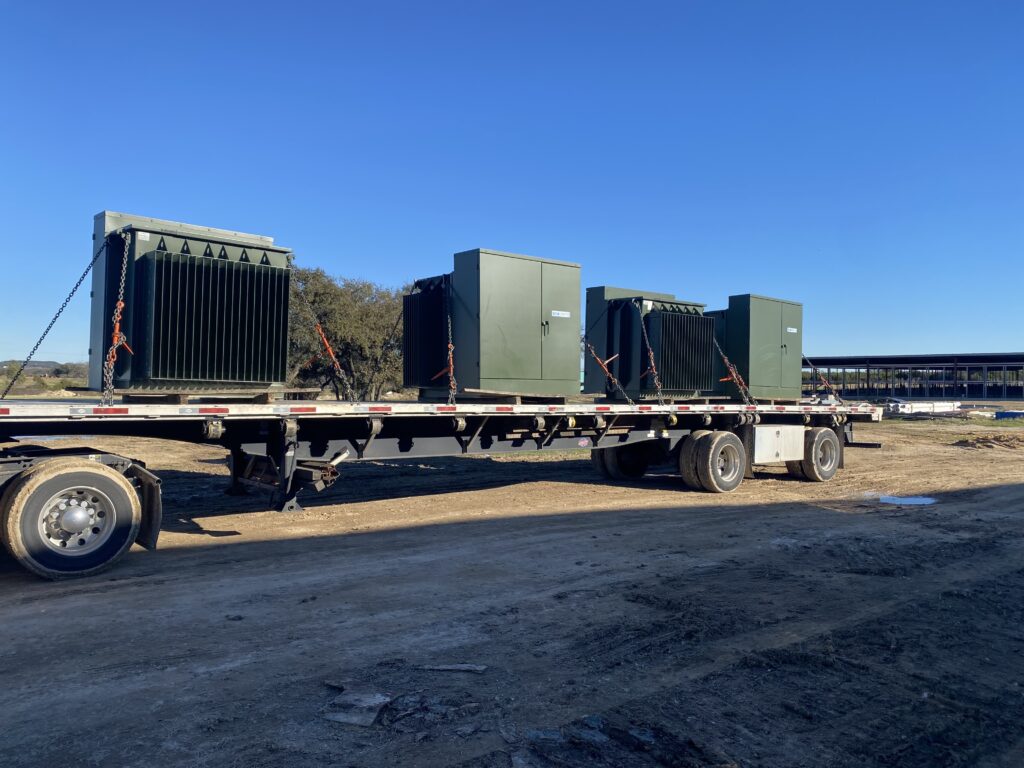
Recycling Burnt Transformers in Newark NJ
Call (951) 403-5738 | Surplus Equipment Buyer
Responsible Burnt Transformer Recycling, Equipment Review, and Surplus Recovery Support
Burnt transformers can create real problems for property owners, contractors, industrial facilities, maintenance teams, and electrical project managers when damaged equipment is left sitting after a failure, fire event, overload, decommissioning project, or emergency replacement. If you need help with Recycling Burnt Transformers in Newark NJ, Surplus Equipment Buyers can review the equipment, request the right details, and help determine whether the transformer qualifies for purchase, recycling coordination, or surplus recovery support. We work with sellers who need practical communication, equipment-specific review, and a cleaner way to deal with damaged transformer assets.
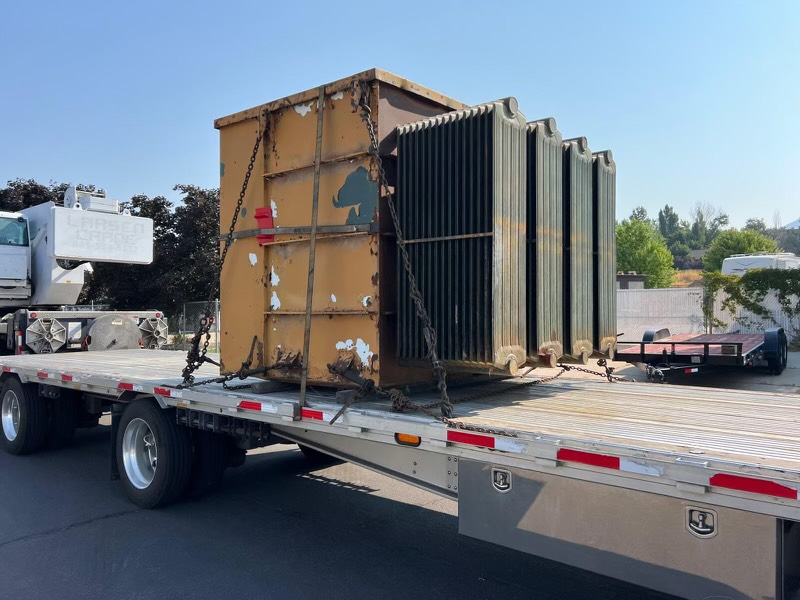
A burnt transformer should not be treated like ordinary scrap without first understanding what type of equipment it is, what condition it is in, and whether there are oil, material, access, or handling concerns. Transformers can contain recoverable metals, reusable components, and materials that should be handled responsibly. Some burnt transformers may still have recovery value depending on size, brand, condition, winding materials, oil status, voltage class, and logistics. Others may need a more careful recycling approach because of damage, contamination, missing parts, leaking oil, or fire-related issues.
Surplus Equipment Buyers helps customers in Newark and surrounding areas by reviewing photos, nameplate information, transformer condition, access details, quantity, project timing, and related electrical surplus. We do not claim to operate a physical Newark office unless verified, but we do help Newark-area customers through remote quote review, equipment evaluation, pickup coordination, and transformer recycling support when the project qualifies.
Newark has a strong mix of commercial buildings, industrial properties, logistics facilities, institutional properties, utility-related work, construction projects, older building stock, and redevelopment activity. Burnt transformers may appear after electrical failures, service upgrades, warehouse changes, fire-damaged equipment replacement, commercial renovations, utility equipment changes, or plant cleanouts. When that happens, having a buyer familiar with transformer equipment can help sellers avoid rushed decisions, poor documentation, and unnecessary disposal mistakes.
Why Recycling Burnt Transformers in Newark NJ Requires Careful Review
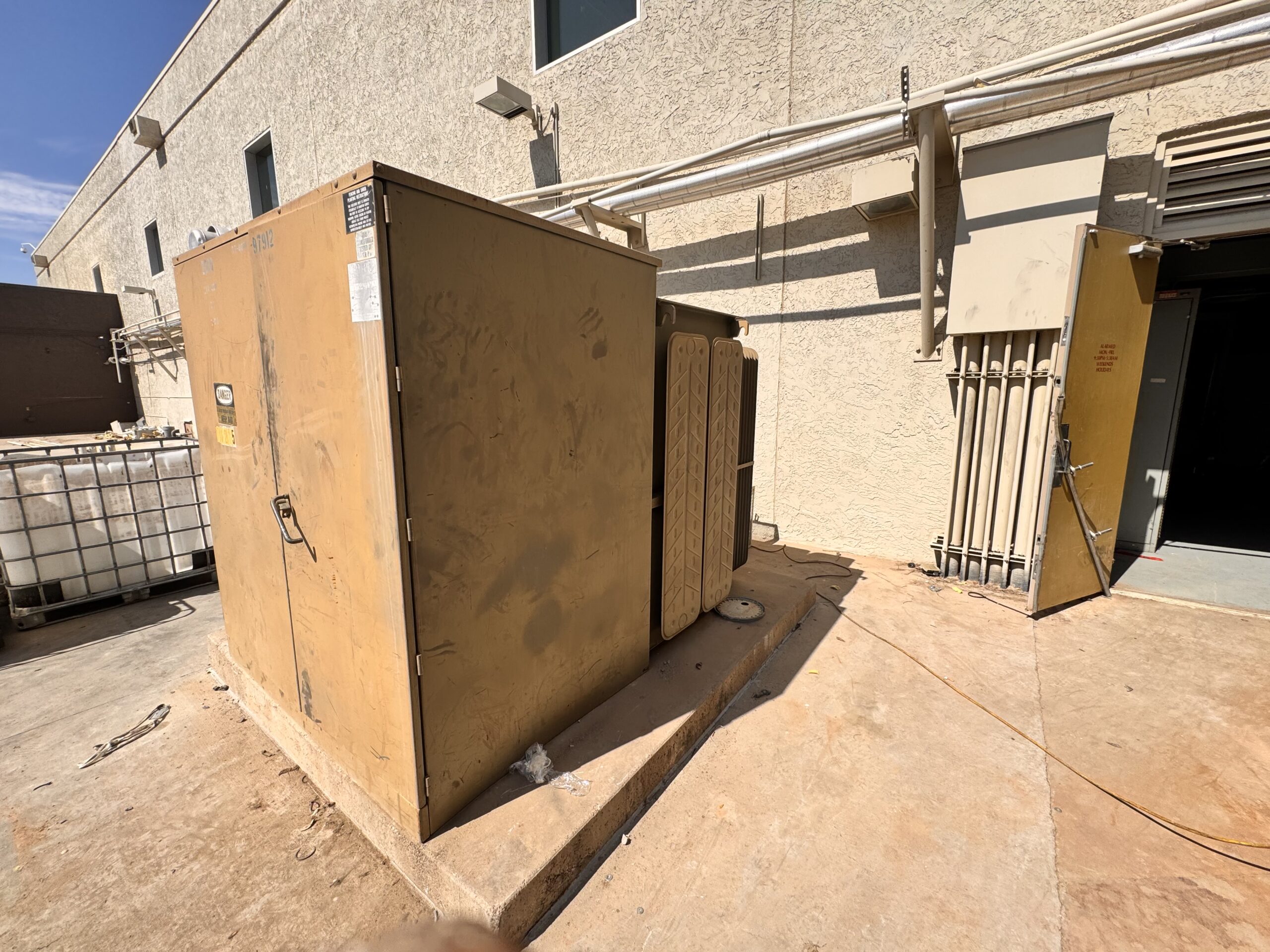
A burnt transformer can look like a total loss, but the correct next step depends on the details. A small dry-type transformer removed from a commercial building is not the same as a large oil-filled transformer damaged in an industrial yard. A transformer that experienced heat damage but remains intact is different from one with broken bushings, oil stains, missing panels, or unknown internal damage. Before arranging removal or recycling, the equipment should be reviewed based on actual condition.
When you contact Surplus Equipment Buyers for Recycling Burnt Transformers in Newark NJ, we ask for photos of the transformer, nameplate, damaged areas, surrounding access, and any visible oil or staining. These details help us understand whether the transformer may qualify for purchase, recovery, or recycling coordination. If the transformer is still connected, blocked, leaking, or located in a difficult access area, that information should be shared upfront.
The goal is to make the process practical. You do not need to know every technical detail before reaching out. If you can provide clear photos and location information, our team can begin reviewing the opportunity and ask for anything else needed. For larger transformer projects, nameplate details, weight estimates, oil status, loading access, and whether the unit is connected or disconnected can make the review more accurate.
Burnt transformer recycling may involve material recovery, equipment evaluation, transportation planning, and proper handling considerations. When related electrical surplus is available, such as circuit breakers, switchgear, bus duct, bus plugs, panels, disconnects, or fuses, include those details as well. A broader equipment review may help the project move more efficiently.
What Makes Surplus Equipment Buyers a Practical Choice?
Surplus Equipment Buyers focuses on electrical and industrial surplus purchasing. We understand that sellers are usually dealing with real project pressure: clearing space, meeting a property deadline, resolving damage after an electrical event, closing out an insurance or repair process, or removing equipment before a renovation can continue. Our job is to help review the equipment and explain what information is needed before the transformer can be quoted or scheduled.
Equipment-specific review: Burnt transformers should be reviewed by a team that understands transformer categories, common brands, material recovery, condition issues, and the difference between resale, recovery, and recycling value.
Clear communication: We ask for photos, nameplate details, condition notes, location, access information, and project timing so the review is based on useful information instead of guesswork.
Support for related electrical surplus: Many transformer projects include more than one piece of equipment. We can review breakers, switchgear, bus plugs, panels, disconnects, fuses, and industrial electrical surplus in the same request.
Pickup or freight coordination when appropriate: Depending on transformer size, location, access, and accepted terms, shipping, freight, or pickup coordination may be discussed after review.
Commercial and industrial experience: We regularly review equipment from contractors, facilities, property owners, demolition teams, and businesses managing electrical surplus.
What Types of Burnt Transformers Can Be Reviewed?
Our team reviews many transformer types, including damaged, burnt, decommissioned, obsolete, non-working, and surplus units. The buying or recycling decision depends on the transformer’s size, construction, condition, materials, access, and current recovery opportunity.
We may review:
- Burnt dry-type transformers
- Burnt oil-filled transformers
- Commercial electrical transformers
- Industrial power transformers
- Pad-mounted transformers
- Pole-mounted transformers
- Step-up and step-down transformers
- Single-phase and three-phase transformers
- Medium-voltage transformer equipment
- Transformers damaged by overload, heat, fire, or electrical failure
- Transformers removed during emergency replacement work
- Transformers from demolition, renovation, and decommissioning projects
- Transformer lots that include related switchgear, breakers, or panels
Burnt transformers from brands such as GE, Siemens, ABB, Eaton, Westinghouse, Square D, Schneider Electric, Federal Pacific, and other manufacturers may be reviewed. Brand is only one factor. Size, voltage, condition, oil status, copper or aluminum content, completeness, safety concerns, and logistics all matter during the review.
Do not assume a transformer has no value because it is burnt or non-working. Some damaged equipment still has recoverable value. At the same time, do not assume every burnt transformer can be handled the same way. Damage level, material condition, leaking oil, missing parts, and access issues can all affect the next step.
Interested in Recycling Burnt Transformers in Newark NJ?
Call (951) 403-5738 | Surplus Equipment Buyer
Our Burnt Transformer Recycling and Review Process
The process starts with basic equipment information. Burnt transformers can involve access concerns, condition issues, handling requirements, and environmental questions, so it is important to review the details before scheduling anything.
- Contact us with the project details. Call (951) 403-5738 or use the contact form. Include your location, transformer quantity, and whether the equipment is connected, disconnected, staged, or already removed.
- Send photos and nameplate information. Clear images of the full transformer, damaged areas, nameplate, oil stains, access area, and any related electrical equipment help us review the project faster.
- We evaluate the equipment. Our team reviews the transformer type, brand, size, voltage, condition, material recovery factors, logistics, and potential buying or recycling path.
- You receive a quote or next-step response. If the transformer matches our buying or recovery criteria, we provide a purchase or project response based on the equipment and logistics.
- Pickup, shipping, or freight coordination is discussed. If the project moves forward, access, loading, scheduling, and transfer details are coordinated according to the accepted terms.
- Payment is arranged according to the agreed terms. Once the equipment transfer and verification details are completed, payment is handled based on the accepted arrangement.
This process helps avoid confusion. It also gives sellers a better way to organize the project before committing to removal, scrap disposal, or recycling. If the transformer is part of an insurance claim, fire-damage cleanup, facility repair, or electrical replacement project, provide any timing requirements upfront.
What Information Helps Us Quote Faster?
A strong quote request helps us evaluate the transformer without unnecessary delays. Some sellers only have basic information, and that is fine. Photos are usually the best starting point.
Helpful information includes:
- Photos of the full transformer
- Close-up photo of the nameplate
- Photos of burnt or damaged areas
- Manufacturer or brand
- kVA or MVA rating
- Primary and secondary voltage when known
- Single-phase or three-phase information
- Oil-filled or dry-type construction
- Condition notes, including fire damage, rust, leaks, missing panels, or damaged bushings
- Whether the transformer is connected, disconnected, staged, or already removed
- Newark NJ location or nearest major cross streets when appropriate
- Loading access, forklift availability, crane access, loading dock, or truck restrictions
- Project timeline, deadline, or preferred pickup window
If you have more than one transformer, send photos of each unit and identify which nameplate belongs to which transformer. If the transformer is mixed with other electrical surplus, such as switchgear, breakers, panels, bus plugs, bus duct, disconnects, or fuses, include those items as well.
Related Electrical Equipment We Review
Surplus Equipment Buyers is not limited to burnt transformer recycling. Many customers contact us with a larger electrical surplus package after a facility upgrade, fire-damage replacement, demolition project, or equipment cleanout. If you are already sending photos of a burnt transformer, include all related equipment so the full opportunity can be reviewed together.
We also review:
- Circuit breakers: Industrial, commercial, and surplus circuit breakers from many brands and project types.
- Switchgear: Surplus, used, damaged, or decommissioned switchgear from commercial and industrial sites.
- Electrical panels: Panelboards, distribution panels, enclosures, and related equipment.
- Bus duct and bus plugs: Used and surplus power distribution equipment from facility upgrades.
- Disconnects and safety switches: Electrical disconnect equipment removed during projects.
- Industrial fuses and renewal parts: Electrical parts that may still have recovery or resale value.
- Industrial equipment: Broader surplus equipment when it fits our buying criteria.
For broader project review, visit our Industrial Equipment Buyer page. If you have other electrical surplus in New Jersey, our Electrical Surplus Buyers New Jersey page may also be relevant. For circuit breaker equipment, see our Circuit Breaker Buyers page.
Newark NJ Projects That May Need Burnt Transformer Recycling
Newark has many property types where transformer damage and replacement can occur. Commercial buildings may experience equipment failure and need emergency replacement. Industrial facilities may remove transformers after overload events, electrical fires, or system upgrades. Warehouses and logistics properties may change electrical layouts. Public or institutional buildings may remove damaged equipment during repairs. Redevelopment projects may uncover old transformers that need proper review before disposal.
Common project types include:
- Transformer failure and emergency replacement projects
- Fire-damaged electrical equipment cleanouts
- Industrial facility upgrades
- Warehouse and logistics property electrical changes
- Commercial building renovations
- Demolition and redevelopment projects
- Municipal, school, healthcare, and institutional equipment removals
- Contractor yards with stored burnt or damaged electrical equipment
- Property cleanouts after tenant turnover or facility closure
- Utility-related equipment replacement projects
Newark-area logistics may also affect scheduling. Some equipment may be stored inside tight mechanical rooms, behind security gates, in busy commercial areas, near loading docks, or inside industrial yards. If your transformer is hard to access, blocked by other equipment, located inside a building, or sitting in a restricted area, mention that early. It helps us understand whether freight, pickup, or additional coordination may be needed.
Why Recycling Burnt Transformers Can Be Better Than Letting Them Sit
Burnt transformers should not be ignored. Damaged electrical equipment can take up valuable space, create confusion for maintenance teams, expose equipment to more weather damage, and delay property cleanup. If oil-filled equipment is involved, the seller should be especially careful about leaks, staining, and environmental handling requirements.
Recycling or selling a burnt transformer may help:
- Free up storage space in yards, warehouses, mechanical rooms, or jobsite areas
- Recover value from equipment that may otherwise sit unused
- Reduce clutter after repairs, upgrades, or emergency replacement work
- Support responsible material recovery when the equipment qualifies
- Help move a renovation, demolition, or facility cleanout forward
- Bundle related electrical surplus into one review
The best time to contact a buyer is before the transformer is stripped, moved repeatedly, or mixed into a general scrap pile. Keeping the transformer intact, preserving the nameplate, and sending clear photos can help the review process.
Handling Burnt Transformers with Safety and Compliance in Mind
Burnt transformer equipment may involve risks that should be taken seriously. Electrical damage, heat damage, sharp metal, broken bushings, oil residue, contaminated surfaces, and unknown internal conditions can all affect handling. If the transformer is still connected, energized, or located in an active electrical area, qualified professionals should be involved before any removal attempt.
Do not attempt to drain oil, dismantle the transformer, or move a heavy unit without the right equipment and professional guidance. If there is visible leaking, staining, fire damage, or damaged insulation, disclose those details immediately. Accurate information helps determine what kind of handling, documentation, or coordination may be needed.
Surplus Equipment Buyers can review the equipment and help determine whether it qualifies for purchase or recycling coordination, but the project scope must match the site conditions and equipment status. If environmental testing, electrical disconnection, remediation, or specialized hazardous-material handling is required, that should be identified early in the process.
Recycle Burnt Transformers Responsibly in Newark NJ
Your Partner for Transformer Recycling in Newark NJ
Call (951) 403-5738 | Turn Burnt Transformers into Cash
Common Mistakes to Avoid Before Recycling Burnt Transformers
Before starting Recycling Burnt Transformers in Newark NJ, avoid actions that can reduce value or complicate the review. Do not remove nameplates, rating labels, or identification tags if they are still attached. Do not strip copper or parts before sending photos. Do not guess at voltage, size, or oil status if a nameplate or photo can help confirm it. Do not move a heavy transformer without proper equipment and planning.
Avoid waiting until the last day of a cleanup project if possible. Transformer review, pickup, and recycling coordination are easier when there is time to gather information and discuss logistics. If the project is already urgent, send the information anyway, but understand that damaged transformer handling may require planning.
Do not assume every burnt transformer is worthless. Some units still have recoverable value depending on size, brand, condition, material content, and logistics. At the same time, do not assume every burnt transformer can be picked up immediately without review. Damage, leaks, site access, and safety concerns can affect what happens next.
Contact Surplus Equipment Buyers Today
If you have a burnt transformer sitting at a commercial property, industrial facility, contractor yard, warehouse, utility area, or project site, contact Surplus Equipment Buyers today. We can review your photos, nameplate information, damage details, location, and access notes to determine whether the equipment qualifies for purchase, recycling support, or pickup coordination.
Call (951) 403-5738 or contact us online to get started. Include photos of the transformer, close-ups of the nameplate, and any details about oil, fire damage, storage conditions, and loading access. If you have related electrical surplus, send those photos as well so the entire opportunity can be reviewed.
Burnt transformer recycling does not need to become a confusing process. With the right information and an experienced buyer, your damaged electrical equipment can be reviewed, valued when applicable, and handled through a more organized process.
FAQ – Recycling Burnt Transformers in Newark NJ
- What types of burnt transformers do you accept for review?
We review dry-type, oil-filled, pad-mounted, pole-mounted, commercial, industrial, single-phase, three-phase, and medium-voltage transformers depending on condition, location, and logistics. - Can I recycle one burnt transformer?
Yes. Single units can be reviewed. Larger quantities, transformer banks, and mixed electrical surplus lots can also be evaluated. - How much can I earn from recycling burnt transformers?
Value depends on transformer type, size, condition, brand, materials, oil status, demand, access, and transportation requirements. Photos and nameplate details help us review the opportunity. - Do I need to dismantle the transformer before contacting you?
No. Keep the transformer intact when possible. Removing parts or nameplates can make it harder to identify and may reduce potential value. - What happens to burnt transformers after review?
Depending on the equipment, the transformer may be purchased for recovery, recycling, parts, or material processing. The path depends on condition, safety, and project terms. - How soon can pickup be scheduled?
Scheduling depends on transformer size, access, condition, loading requirements, and project details. Clear photos and site information help the process move faster. - Do you offer services outside Newark NJ?
Yes. We review transformer and electrical surplus opportunities in surrounding areas and other markets through remote quote review and coordinated logistics when appropriate. - Why is recycling burnt transformers important?
Recycling helps recover usable materials, reduce unnecessary waste, and move damaged equipment out of storage when handled properly. - Do you buy oil-filled burnt transformers?
Oil-filled burnt transformers can be reviewed. Please disclose leaks, staining, fire damage, missing panels, or known environmental concerns before pickup planning. - Can I send photos instead of full specifications?
Yes. Photos can start the review. A clear nameplate image is especially helpful, but multiple exterior photos can still be useful if the nameplate is missing. - Do you buy burnt transformers from demolition projects?
Yes. Demolition, redevelopment, renovation, and fire-damage cleanup projects often produce transformers and related electrical surplus worth reviewing. - Can you review related electrical equipment too?
Yes. Include photos of circuit breakers, switchgear, bus duct, bus plugs, panels, disconnects, fuses, and other electrical surplus. - Should I remove the transformer nameplate?
No. Keep the nameplate attached. It helps identify the transformer and can speed up the quote review. - What if the transformer is leaking?
Send photos and disclose the leak immediately. Leaks or staining can affect handling, value, logistics, and project requirements. - Do you work with contractors and facility managers?
Yes. We review equipment from electrical contractors, facility managers, property owners, demolition teams, maintenance departments, and industrial sellers. - Can burnt transformers still have value?
Yes. Some burnt transformers still have recoverable value depending on materials, size, condition, and logistics. A review helps determine the next step. - Do I need a forklift or loading dock?
Not always, but loading access matters. Tell us whether a forklift, loading dock, crane access, pallet jack, or truck access is available. - Can you review equipment from a fire-damaged building?
Yes, if the equipment is accessible and available for sale or recycling review. Provide details about damage, safety restrictions, and access requirements. - How do I start the process?
Call (951) 403-5738 or use the contact form. Send transformer photos, nameplate details, condition notes, location, and access information. - Can I include multiple burnt transformers in one request?
Yes. Send photos, quantities, and nameplate details for each unit. Grouped information helps us review the full lot more efficiently.
