- Electrical Circuit Breaker Buyer - Competitive Rates
- (951) 403-5738
- industrial832@gmail.com


Transformer Buyers
Who Buys Used Switchgear Near Arlington TX?
January 15, 2026Who Buys Used Electrical Transformers?
May 18, 2026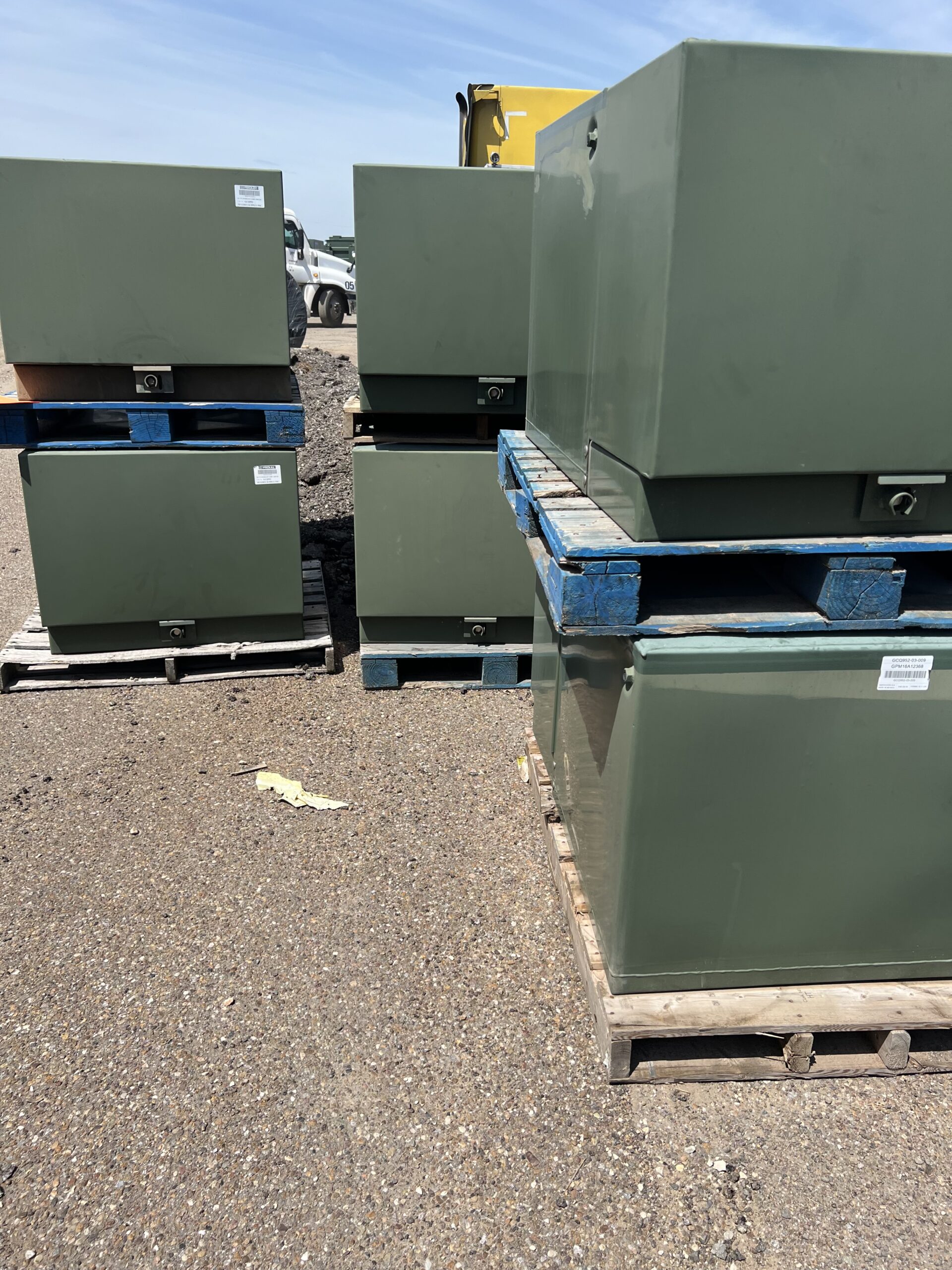
Transformer Buyers for Used, Surplus, and Decommissioned Electrical Equipment
Call (951) 403-5738 | Surplus Equipment Buyers
Industrial facilities, contractors, electricians, plant managers, property owners, demolition teams, and equipment liquidators often need reliable transformer buyers who can evaluate surplus electrical equipment quickly, make a fair cash offer, and help coordinate a practical pickup plan. Surplus Equipment Buyers purchases used transformers, surplus transformers, electrical surplus, and related industrial equipment from sellers who want a direct, professional, and convenient way to turn unused assets into cash. Whether the transformer came from a facility upgrade, a decommissioning project, a contractor surplus lot, a warehouse cleanout, a utility replacement, or a commercial electrical room removal, our team helps simplify the selling process from the first call to the final pickup.
Finding the right transformer buyers matters because transformers can be heavy, technical, valuable, and difficult to move without the right buyer involved. Many sellers do not want to waste time calling scrap yards, waiting on vague estimates, or dealing with buyers who only understand scrap value. Surplus Equipment Buyers focuses on real equipment value, market demand, condition, specs, brand, size, voltage, application, and resale or recovery potential. That approach helps sellers avoid underpricing valuable electrical surplus while also getting rid of equipment that may otherwise sit unused, take up space, or delay a jobsite cleanup. Call (951) 403-5738 to discuss what you have available, or send photos and nameplate details so our team can start reviewing your transformer for a cash quote.
Transformer Buyers That Understand Real Equipment Value
Not every buyer evaluates transformers the same way. Some buyers only look at the weight of the equipment, while others may not understand the difference between dry-type transformers, pad-mounted transformers, oil-filled units, substation transformers, commercial power distribution equipment, and specialized industrial electrical assets. Professional transformer buyers look beyond basic scrap weight and consider whether the equipment has resale demand, usable components, salvageable value, brand recognition, application history, and condition. That difference can matter when you are selling a transformer from a commercial property, manufacturing plant, data center, industrial facility, construction project, or demolition site.
Surplus Equipment Buyers works with sellers who need a practical outlet for used electrical equipment without adding more stress to the project. If your transformer is still installed, already removed, sitting in a yard, stored in a warehouse, or included in a larger surplus equipment package, we can help review the opportunity. Sellers commonly contact us with photos, manufacturer information, kVA rating, voltage, phase, enclosure type, serial number, condition notes, and pickup location details. The more information you can provide, the faster the evaluation usually becomes. However, even if you only have a few photos to start, our team can help you identify the next details needed to move the process forward.
Our goal is to help sellers receive a competitive offer without making the process feel complicated. We buy from companies that are upgrading electrical systems, clearing unused inventory, closing facilities, replacing older transformers, recovering value from demolition projects, or liquidating surplus from past jobs. We can also review related electrical equipment, including breakers, switchgear, bus plugs, panels, disconnects, and other industrial surplus when those items are part of the same opportunity. For sellers with broader equipment packages, our industrial equipment buyer service may also be relevant.
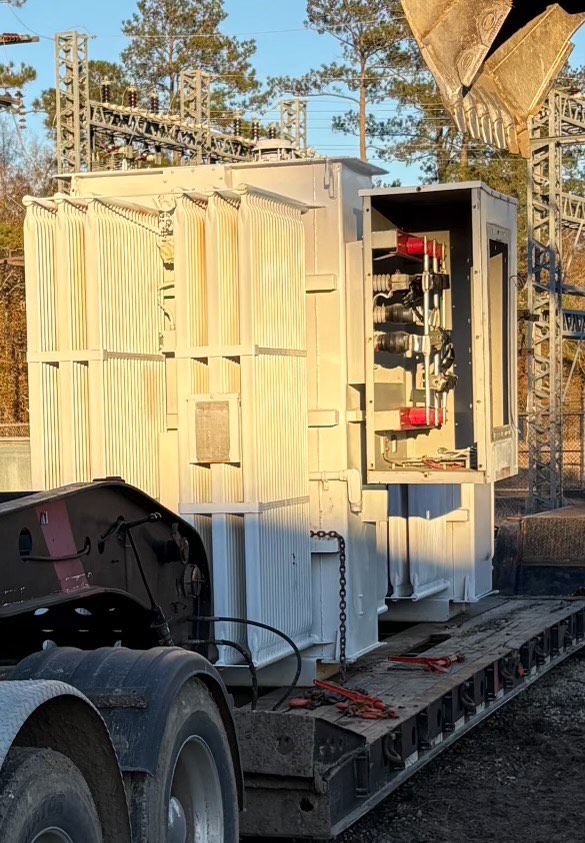
Transformer Buyers for Fast Cash Quotes
Call (951) 403-5738 | 24-Hour Service
When a transformer needs to be sold, timing can matter. A contractor may need equipment removed before the next phase of work. A facility manager may need to clear storage space. A property owner may need a transformer gone before a remodel, sale, tenant improvement, or demolition schedule moves forward. Surplus Equipment Buyers offers a direct contact path for sellers who want transformer buyers that can respond quickly, review the equipment, and provide clear next steps. Call (951) 403-5738 for help getting started, especially if you are working under a deadline or have multiple electrical surplus items ready for review.
Photos are often the fastest way to begin. Clear images of the full transformer, nameplate, front, back, sides, access panels, oil labels if applicable, damage, rust, mounting base, and surrounding pickup area can help our team understand what you are selling. If the transformer is part of a larger decommissioning project, include pictures of related equipment as well. Many sellers also provide the make, model, kVA rating, primary and secondary voltage, phase, weight if known, age, condition, whether the unit is energized or disconnected, and whether loading help is available. These details help transformer buyers determine whether the equipment is a good purchasing fit and what logistics may be needed.
Surplus Equipment Buyers is built for sellers who want a straightforward transaction. We understand that many businesses do not have time to manage long back-and-forth conversations with uncertain buyers. A clear evaluation process helps reduce delays. Once we review the transformer information, we can discuss potential offer range, pickup requirements, payment expectations, and whether additional equipment may be included in the deal. For example, if you are selling transformers along with circuit breakers, switchgear, or related electrical components, mentioning everything upfront may help create a stronger total surplus package. Sellers with breaker inventory may also find our sell circuit breakers Bakersfield page useful when reviewing related equipment categories.
What Types of Transformers Do Transformer Buyers Purchase?
Transformer Buyers may purchase a wide range of used and surplus transformer types depending on condition, specifications, location, market demand, and removal requirements. Surplus Equipment Buyers reviews dry-type transformers, oil-filled transformers, pad-mounted transformers, commercial transformers, industrial transformers, distribution transformers, substation transformers, step-up transformers, step-down transformers, and other electrical transformer equipment when available. If you are not sure what type of transformer you have, the nameplate and photos are usually the best starting point. Transformer nameplates often provide the details needed to understand the unit’s rating, voltage, phase, temperature rise, impedance, manufacturer, and other important specifications.
Used transformers may come from many different situations. Some are removed during power system upgrades because the facility needs additional capacity or newer equipment. Others are removed from buildings that are being demolished, remodeled, or converted for new tenants. Some transformers are surplus from electrical contractors who purchased equipment for a project and later ended up with extra inventory. Others may be stored by businesses that no longer need them but have not had time to find qualified transformer buyers. These situations are common, and they often create an opportunity to recover cash value from equipment that is no longer serving a purpose.
Condition plays an important role in the buying process. A clean, complete, well-documented transformer may have stronger value than a damaged or incomplete unit. However, damaged, older, removed, or non-working transformers may still have value depending on the circumstances. That is why sellers should not assume a transformer is worthless without first speaking to a buyer. Even if the equipment has been sitting for years, has cosmetic wear, or came from an older electrical system, it may still be worth reviewing. Surplus Equipment Buyers can help determine whether the transformer is a good candidate for purchase, resale, parts recovery, recycling, or inclusion in a larger surplus equipment deal.
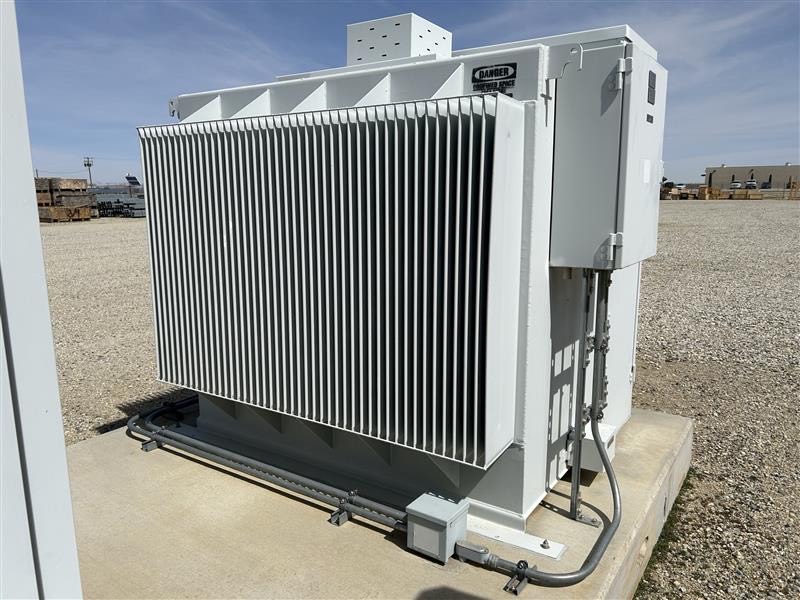
Transformer Buyers for Commercial, Industrial, and Contractor Surplus
Commercial and industrial sellers often need transformer buyers who understand jobsite realities. Removing a transformer from a property is not the same as selling a small piece of equipment. Transformers can be extremely heavy, may require forklifts, cranes, rigging, freight coordination, loading space, disconnection confirmation, safety planning, and clear access. Surplus Equipment Buyers helps sellers think through the practical details that can affect the sale. If the transformer has already been removed and is ready to load, the process may be quicker. If it is still in place, additional information may be needed so the removal can be reviewed properly.
Contractors and electricians may also benefit from working with direct transformer buyers because surplus electrical equipment can pile up quickly after projects. A contractor may have one transformer from a completed job or multiple pieces of equipment from several sites. Instead of letting inventory sit in storage, sellers can contact Surplus Equipment Buyers to discuss whether the equipment can be purchased. This may help free up yard space, recover cash, reduce clutter, and turn unused equipment into working capital. For contractors, the best time to start the selling conversation is often before the equipment is buried behind other inventory or moved multiple times.
Facility owners and property managers may have a different concern: they need a buyer who can help remove obstacles from a larger business plan. A transformer may be sitting in an electrical room, behind a building, near a loading area, or inside a facility scheduled for improvement. In these cases, a quick and professional buying process can help the seller keep the project moving. Surplus Equipment Buyers can discuss the transformer, the condition, the location, and whether related electrical surplus should be reviewed at the same time. If the project involves a larger equipment liquidation, our about us page can help sellers learn more about our company focus and buying approach.
How the Transformer Buyers Process Works
The selling process usually begins with a call, text, email, or website message. Call (951) 403-5738 and explain what type of transformer you have, where it is located, whether it is removed or still installed, and what timeline you are working with. If possible, provide photos and nameplate details. The nameplate is especially important because it can confirm the transformer’s technical specifications. A transformer without visible nameplate information may still be reviewed, but the quote process may require more details before a serious offer can be made.
After the information is reviewed, Surplus Equipment Buyers can determine whether the transformer fits our purchasing needs. If the unit is a good fit, we can discuss pricing, payment, pickup, and next steps. A transformer sale may be simple when the equipment is already disconnected and accessible. It may require more planning when the equipment is large, installed, located inside a facility, or part of a broader electrical removal. Honest details help prevent delays. Sellers should mention access restrictions, loading dock availability, forklift access, gate hours, safety requirements, insurance requirements, and whether the equipment has any known damage or missing parts.
Once the offer and pickup expectations are understood, the seller can decide whether to move forward. Surplus Equipment Buyers aims to make this process clear and practical. We do not want sellers wasting time on vague promises or unclear logistics. The goal is to evaluate the transformer, make a fair purchasing decision, and help complete the transaction in a way that makes sense for the seller’s timeline. If the transformer is one of many assets being sold, we can review the full list and identify which items may be worth including. Related categories may include switchgear, circuit breakers, bus plugs, industrial controls, and other electrical surplus.
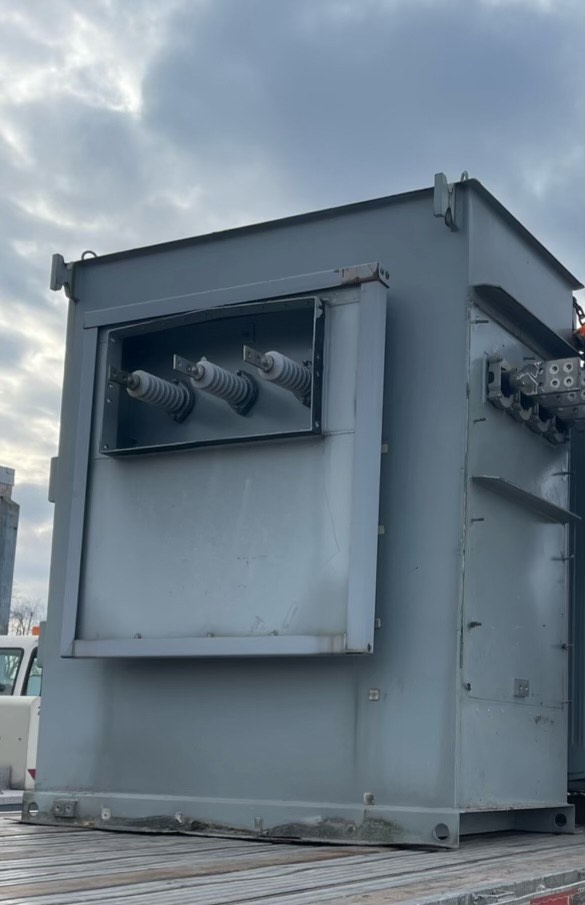
Why Choose Surplus Equipment Buyers as Your Transformer Buyers?
Choosing the right transformer buyers can make the difference between a smooth transaction and a frustrating experience. Surplus Equipment Buyers is focused on helping sellers get clear answers, competitive cash offers, and practical pickup support. We understand that transformer sales are often tied to larger business needs, including project deadlines, facility cleanouts, electrical upgrades, storage issues, equipment liquidation, and decommissioning schedules. Our role is to help sellers turn surplus into value while reducing unnecessary complications.
Many sellers contact us because they want more than a basic scrap offer. Transformers can have value beyond raw material weight, especially when the equipment has desirable specifications, usable condition, strong brand recognition, or demand in the secondary equipment market. Our team reviews each opportunity based on the information provided and helps sellers understand whether the equipment is something we can purchase. While not every transformer will qualify for the same value, every serious seller deserves a professional review and a straightforward answer.
Another reason sellers choose Surplus Equipment Buyers is convenience. We buy more than transformers, which can help when a seller has multiple categories of surplus equipment. A facility may have transformers, breakers, valves, industrial equipment, and other assets available at the same time. In those cases, one conversation may help identify several buying opportunities instead of forcing the seller to contact separate buyers for every category. If your surplus includes valves along with electrical equipment, our Tennessee valve buyers, Mississippi valve buyers, and Maryland valve buyers pages show examples of related surplus buying categories that may support broader equipment liquidation needs.
Transformer Buyers for Decommissioning, Facility Shutdowns, and Electrical Upgrades
Transformers are often sold during decommissioning projects, facility shutdowns, commercial renovations, utility changes, and electrical service upgrades. In many cases, the transformer is only one part of a larger project. There may be panels, switchgear, breakers, disconnects, conduits, busway, controls, and other electrical equipment involved. Instead of treating these assets as a disposal problem, sellers may be able to recover value by working with transformer buyers who understand surplus electrical equipment. Surplus Equipment Buyers can review single transformers as well as larger equipment packages from complex projects.
During facility shutdowns, sellers often need decisions quickly. Waiting too long can create storage costs, jobsite delays, or missed opportunities to coordinate removal while equipment is already being handled. A proactive call can make the process easier. If your team knows a transformer will be removed soon, contact Surplus Equipment Buyers before the equipment is moved multiple times. Early review may help with planning, access, photos, nameplate documentation, and determining whether other surplus equipment should be included in the sale.
Electrical upgrades can also create valuable surplus. A transformer may be replaced because the facility needs a different capacity, voltage configuration, layout, or compliance path. That does not automatically mean the removed transformer has no value. Many used transformers still have market interest depending on specifications and condition. Sellers in Arizona or Michigan with transformer-related surplus may also find our pages for selling surplus transformers near Phoenix and selling surplus transformers near Michigan relevant when reviewing how location-specific transformer selling pages can support buyer intent.
Learn How Transformer Buyers Evaluate Your Equipment
Call (951) 403-5738 | Expertise and Reliability
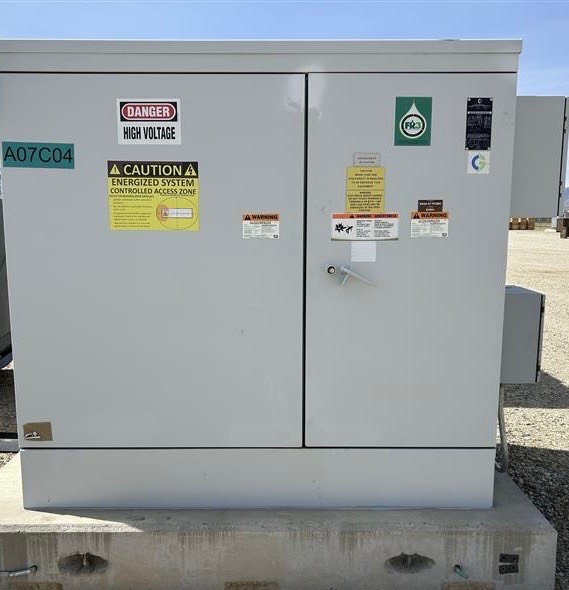
Transformer Buyers typically evaluate equipment based on several practical factors. The first is identification. A clear nameplate can help confirm the transformer’s manufacturer, kVA size, voltage, phase, temperature rating, impedance, enclosure, frequency, serial number, and other specifications. The second factor is condition. Buyers may look at whether the transformer appears complete, whether it has visible damage, whether oil-filled units show signs of leakage, whether bushings are intact, whether the enclosure is badly rusted, and whether the unit was removed carefully. The third factor is logistics. A transformer that is easy to access and load may be simpler to purchase than one with difficult site restrictions.
Market demand also matters. Some transformers are more desirable than others because of size, application, configuration, brand, voltage, or availability. A transformer that matches common commercial or industrial needs may attract stronger interest than a highly specialized unit with limited demand. That is why it helps to work with transformer buyers who understand the equipment market, not just scrap pricing. Surplus Equipment Buyers reviews each opportunity based on the details provided and works to determine a fair purchasing path when the unit fits our buying needs.
Documentation can help strengthen the selling process. Maintenance records, test reports, removal notes, photos from before disconnection, and project details may provide useful context. Not every seller has those records, and they are not always required to start a review, but they can help when available. For oil-filled transformers, sellers should be prepared to answer basic questions about condition, leakage, and whether any environmental documentation exists. For dry-type transformers, clear photos of the enclosure, windings if visible, vents, and nameplate can be helpful. The more complete the information, the easier it is for the buyer to evaluate the opportunity accurately.
Sellers should also be realistic about safety and access. Transformers are electrical assets and should only be disconnected, handled, lifted, or moved by qualified personnel following proper safety practices. Surplus Equipment Buyers can discuss buying and pickup considerations, but sellers should make sure any disconnection or site preparation is handled safely and appropriately. A clean, safe, accessible pickup situation can help reduce friction and speed up the transaction.
Common Questions for Transformer Buyers
Do you buy one transformer or only bulk lots?
Surplus Equipment Buyers can review both single transformers and larger surplus packages. One transformer may be enough to start a conversation, especially if the unit has marketable specifications or is part of a valuable electrical equipment removal.
Can I sell a transformer that has already been removed?
Yes. Removed transformers are often easier to evaluate when they are accessible, photographed clearly, and ready for pickup. Include photos of the full unit, nameplate, and loading area when possible.
Do transformer buyers purchase old or used units?
Used and older transformers may still have value depending on condition, specifications, demand, and logistics. Do not assume the equipment is worthless before requesting a review.
What information should I send for a quote?
Send photos, nameplate details, make, model, kVA rating, voltage, phase, condition notes, pickup location, removal status, and whether loading equipment is available. If you have related surplus equipment, mention that too.
Do you help with pickup?
Pickup options depend on the equipment, location, access, size, and transaction details. Surplus Equipment Buyers can discuss the practical logistics after reviewing the transformer and site information.
Can I sell other electrical surplus with the transformer?
Yes. If you have breakers, switchgear, bus plugs, panels, controls, disconnects, or other electrical surplus, include those details. A larger package may create a stronger selling opportunity.
Contact Transformer Buyers Today for a Cash Quote
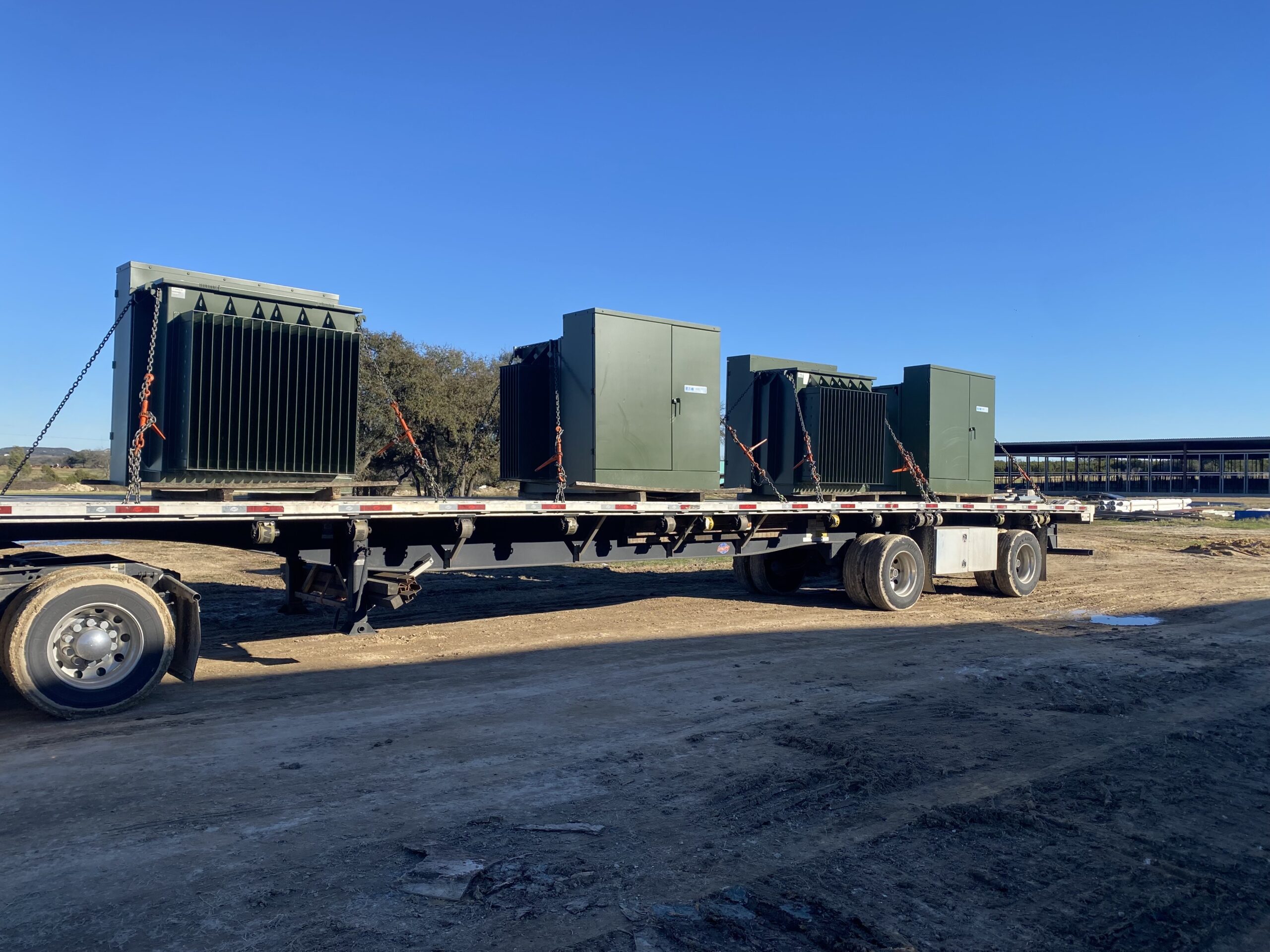
Do not let unused transformers sit in storage, take up valuable space, or lose potential resale value without first speaking to a serious buyer. Surplus Equipment Buyers helps sellers move used, surplus, and decommissioned transformers with a process designed around clear communication, equipment review, and practical pickup planning. If you have a transformer available now or expect one to be removed soon, contact our team before sending it to scrap or letting it sit forgotten in a yard, warehouse, electrical room, or project site.
Call (951) 403-5738 today to speak with Surplus Equipment Buyers about your transformer. You can also leave a message through the website contact page with photos, nameplate information, location details, and a description of the equipment. If your transformer is part of a larger electrical surplus package, include everything you want reviewed so our team can look at the full opportunity. For sellers researching the equipment itself, this overview of an electrical transformer may help explain the basic function of transformers, but for selling guidance, pricing review, and pickup planning, contact Surplus Equipment Buyers directly.
Surplus Equipment Buyers is ready to help contractors, facility managers, electricians, demolition crews, property owners, and industrial sellers recover value from surplus transformers and related electrical equipment. When you need transformer buyers who understand the equipment, respect your timeline, and provide a direct contact path, call (951) 403-5738 and start the quote process today.
