- Electrical Circuit Breaker Buyer - Competitive Rates
- (951) 403-5738
- industrial832@gmail.com


What Pictures Should I Send Selling a Transformer?
What Information Do I Need for a Transformer Quote?
May 19, 2026Does the Transformer Nameplate Affect Price?
May 19, 2026
What Pictures Should I Send When Selling a Transformer?
Call (951) 403-5738 | Surplus Equipment Buyers
If you are asking, “What pictures should I send when selling a transformer?” the best answer is to send clear photos of the full transformer, nameplate, manufacturer label, front, back, sides, top if safely visible, base, enclosure, bushings, vents, access doors, damage, rust, leaks, missing parts, and the surrounding pickup area. Surplus Equipment Buyers reviews used, surplus, removed, dry-type, oil-filled, liquid-filled, pad-mounted, pole-mounted, three-phase, isolation, step-up, step-down, old, obsolete, damaged, and decommissioned transformers from contractors, electricians, facility managers, commercial property owners, industrial plants, warehouses, demolition crews, and sellers with electrical surplus.
Good photos help transformer buyers understand what you have before discussing a cash quote. A transformer can look simple from a distance, but the details matter. Buyers need to see the nameplate, condition, access, size, damage, and pickup situation before they can determine whether the transformer may qualify for purchase. A blurry photo from one angle is usually not enough. Call (951) 403-5738 if you have a transformer available and want help understanding which pictures to send for review.
Used transformers can come from facility upgrades, electrical room removals, commercial remodels, data center changes, contractor surplus, demolition projects, industrial shutdowns, warehouse cleanouts, utility replacements, and decommissioning work. Some transformers are clean and recently removed. Others are old, weathered, damaged, leaking, untested, obsolete, or non-working. The right photo set helps the buyer see the real equipment condition and avoids delays caused by missing information.
Why Sellers Ask What Pictures Should I Send When Selling a Transformer?
Sellers ask what pictures should I send when selling a transformer because photos often determine how quickly a buyer can review the equipment. Without clear images, the buyer may need to ask for more information, delay the review, or pass on the opportunity because too much is unknown. A transformer quote depends on technical details and logistics, and photos help confirm both. They show what the transformer is, how complete it is, whether the nameplate is readable, whether there is visible damage, and whether pickup looks practical.
The most important picture is usually the nameplate photo. A transformer nameplate may show the manufacturer, model number, serial number, kVA rating, primary voltage, secondary voltage, phase, frequency, temperature rise, impedance, weight, enclosure type, wiring diagram, fluid information, and other useful specifications. A clear nameplate photo can answer many quote questions at once.
Full-unit photos are also important because the buyer needs to see the overall size, style, enclosure, and condition. Sellers should take photos from several angles instead of sending only one close-up. If the transformer has damage, rust, leaks, missing covers, broken bushings, cut wires, water exposure, fire exposure, or unknown condition, those pictures should be included upfront. Honest photos help Surplus Equipment Buyers review the transformer realistically.
What Pictures Should I Send When Selling a Transformer for a Faster Quote?
Call (951) 403-5738 | Send Clear Transformer Photos
To get a faster transformer review, start with a complete photo set. Take one wide photo of the full transformer from the front, one from the back, and one from each side. Then take a clear close-up of the nameplate. Add photos of the enclosure, access panels, vents, bushings, base, tank if applicable, cabinet doors, labels, wiring areas when safely visible, and any areas showing damage or wear. If the transformer is oil-filled or liquid-filled, include photos of the tank, labels, bushings, base, and any visible leak areas.
Next, photograph the pickup area. Show where the transformer is sitting and how a truck, forklift, pallet jack, crane, or rigging crew may access it. If the transformer is indoors, show the room, doorways, hallways, loading dock, freight elevator if applicable, and path to remove it. If it is outdoors, show the ground surface, gates, fences, curbs, bollards, overhead restrictions, soft ground, gravel, nearby walls, and parking or loading access. These photos help the buyer understand whether pickup is simple or requires more planning.
Finally, include close-up photos of any issues. If the transformer has rust, missing panels, broken bushings, damaged coils, cut wires, dented tanks, leaking fluid, burnt areas, water exposure, unreadable labels, or unknown parts, photograph those areas clearly. Condition issues do not always eliminate the possibility of a purchase, but buyers need to know about them early. Clear photos help prevent misunderstandings and wasted time.
Nameplate Pictures to Send When Selling a Transformer
The nameplate picture should be sharp, well-lit, and close enough to read. Try to capture the entire nameplate in one photo, then take a second closer photo if small text is hard to see. Avoid glare, shadows, blurry images, and extreme angles. If the nameplate is dirty, take the safest photo you can without scraping, damaging, or removing it. If the transformer is still installed or difficult to reach, only photograph it from a safe position.
A readable nameplate helps the buyer identify the transformer brand, kVA rating, voltage, phase, model number, serial number, enclosure, weight, impedance, temperature rise, frequency, and wiring information. These details are often necessary for a serious quote. Without the nameplate, the buyer may need more photos, measurements, or project history before reviewing the transformer.
If the nameplate is missing, damaged, painted over, or unreadable, say that clearly when you send the photos. Include any other labels, manufacturer markings, stamped numbers, cabinet tags, project records, or documents that may help identify the transformer. Surplus Equipment Buyers can still review some transformers with limited information, but the review is usually easier when the nameplate is clear.
What Pictures Should I Send When Selling a Transformer From a Commercial Site?
When selling a transformer from a commercial site, send photos that show both the transformer and the access conditions. Commercial transformers may be located inside electrical rooms, behind buildings, near loading areas, inside mechanical spaces, outside on pads, or inside storage rooms. A buyer needs to understand whether the transformer is easy to reach, still installed, disconnected, blocked by other equipment, or located in an area that requires special scheduling.
Commercial sellers may include property owners, building managers, electrical contractors, construction companies, developers, electricians, maintenance departments, IT facility teams, and demolition crews. These sellers often need a quick review before the next project phase begins. A complete photo set helps the buyer understand the transformer without repeated follow-up. It also helps sellers avoid delays when they are working under a tenant improvement, remodel, shutdown, or demolition timeline.
If the commercial project includes other surplus equipment, photograph those items as well. Switchgear, circuit breakers, panels, bus plugs, disconnects, wire, valves, and controls may be removed at the same time as the transformer. Sellers with broader equipment packages may review the industrial equipment buyer page to understand how multiple surplus categories can be considered together.
Condition Pictures to Send When Selling a Transformer
Condition photos help buyers understand whether the transformer has resale, recovery, parts, recycling, or surplus package value. Take close-ups of rust, dents, leaks, broken bushings, missing panels, damaged coils, exposed wiring, cut cables, fire damage, water exposure, missing labels, damaged doors, bent cabinets, and any other visible issue. Do not hide condition problems. Honest photos help the buyer make a better decision.
If the transformer is working, untested, non-working, obsolete, or removed from service, include that information when sending the photos. A picture may show physical condition, but it may not confirm working status. If the transformer was working when removed, say so. If you do not know whether it works, say the condition is unknown. Guessing can create problems later.
If test reports, maintenance records, inspection paperwork, removal notes, or environmental documents are available, send photos or scans of those documents as well. Documentation does not guarantee a purchase, but it can help the buyer evaluate the transformer more confidently. If no documents are available, the transformer can still be reviewed with photos and honest details.
What Pictures Should I Send When Selling a Transformer With Pickup Support?
Pickup-area photos are just as important as transformer photos. Transformers can be heavy, difficult to access, and expensive to move if the buyer does not understand the site conditions. Take wide photos showing where the transformer is located, how close a truck can get, whether there is a loading dock, whether a forklift or pallet jack can reach the equipment, and whether any obstacles may affect pickup. These images help Surplus Equipment Buyers review the equipment and logistics together.
If the transformer is indoors, photograph the doorway, hallway, room layout, floor level, loading dock, freight elevator, stairs, tight turns, and path to the outside. If the transformer is outdoors, photograph the ground surface, gates, curbs, fences, bollards, landscaping, slope, gravel, soft ground, overhead lines, nearby walls, and truck access. If the transformer is on a pad, pallet, trailer, floor, rack, or storage area, include clear photos showing how it is staged.
If the transformer is still installed, say that clearly and photograph only what is safe. Any electrical disconnection, lifting, rigging, or removal work should be handled by qualified professionals following proper safety procedures. Sellers should not climb, open energized equipment, move heavy transformers, or take risky photos just to request a quote. Safe, clear, honest images are enough to begin the review.
Access Pictures to Send When Selling a Transformer
Access pictures should show the buyer what a pickup crew may face. A transformer that looks valuable but is trapped behind equipment, inside a tight room, or far from truck access may require additional planning. Photos should show whether the transformer can be reached by forklift, pallet jack, crane, flatbed, loading dock, or other equipment. They should also show any site restrictions that could affect timing.
Include photos of gates, security areas, narrow driveways, low ceilings, overhead obstructions, blocked loading zones, gravel yards, soft ground, stairs, curbs, and building entrances. Mention gate hours, appointment requirements, certificate of insurance needs, safety rules, and whether loading equipment is available onsite. A quote can be delayed when pickup details are missing.
Also send a photo that shows scale if possible. A full transformer photo with the surrounding area can help the buyer understand size and access better than a tight close-up. Do not rely only on close-up pictures. Buyers need both details and context.
What Pictures Should I Send When Selling a Transformer From a Shutdown?
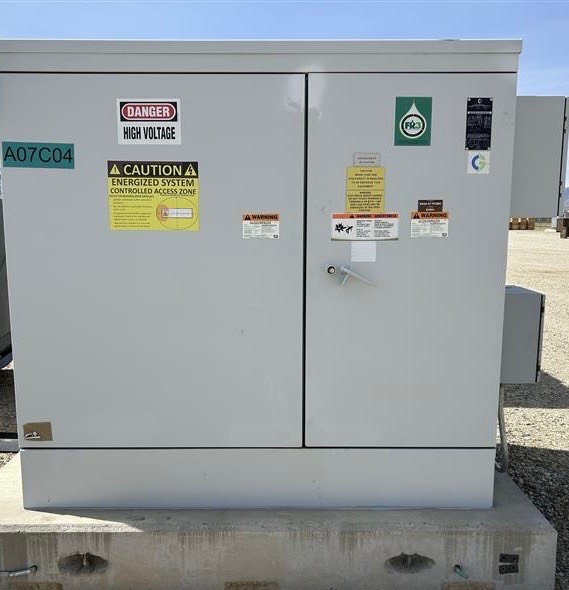
Facility shutdowns, plant closures, data center upgrades, warehouse relocations, and demolition jobs often create transformer surplus. In these situations, take photos before the equipment is moved, stacked, damaged, or separated from its nameplate. A transformer is usually easier to review when the buyer can see the full unit, the nameplate, the condition, and the original access conditions before the project becomes rushed.
Shutdown projects often include more than one asset. Transformers may be removed with breakers, switchgear, panels, bus plugs, disconnects, controls, wire, valves, and other industrial equipment. Instead of photographing only the transformer, take organized photos of the full surplus package. Location-specific transformer pages, such as selling surplus transformers near Phoenix and selling surplus transformers near Michigan, show how transformer selling needs may vary by region, project type, and equipment availability.
For shutdowns, organization matters. Label photos by equipment type, take nameplate photos for each transformer, show which units are already disconnected, and include wide shots of the removal path. If there are multiple transformers, do not assume they are all the same. Each transformer may have a different kVA rating, voltage, phase, brand, condition, and value.
Pictures of Related Equipment to Send With Transformer Photos
If you have other electrical or industrial surplus available, send pictures of those items with your transformer photos. A larger equipment package may create more buying options than one transformer alone. Include photos of circuit breakers, switchgear, panels, bus plugs, disconnects, motor controls, wire, valves, and other industrial equipment when they are available for sale.
Sellers with breaker inventory can review the sell circuit breakers Bakersfield page, while valve sellers may find examples such as Tennessee valve buyers, Mississippi valve buyers, and Maryland valve buyers useful for broader surplus categories. Mentioning related equipment early can help the buyer understand the full opportunity.
If you send photos of multiple items, keep them organized. Send each transformer’s full-unit photo next to its nameplate photo if possible. Label files or message groups by equipment type, brand, or location. Organization helps prevent confusion and speeds up the review.
What Pictures Should I Send When Selling a Transformer That Is Old or Damaged?
Call (951) 403-5738 | Honest Transformer Photo Review
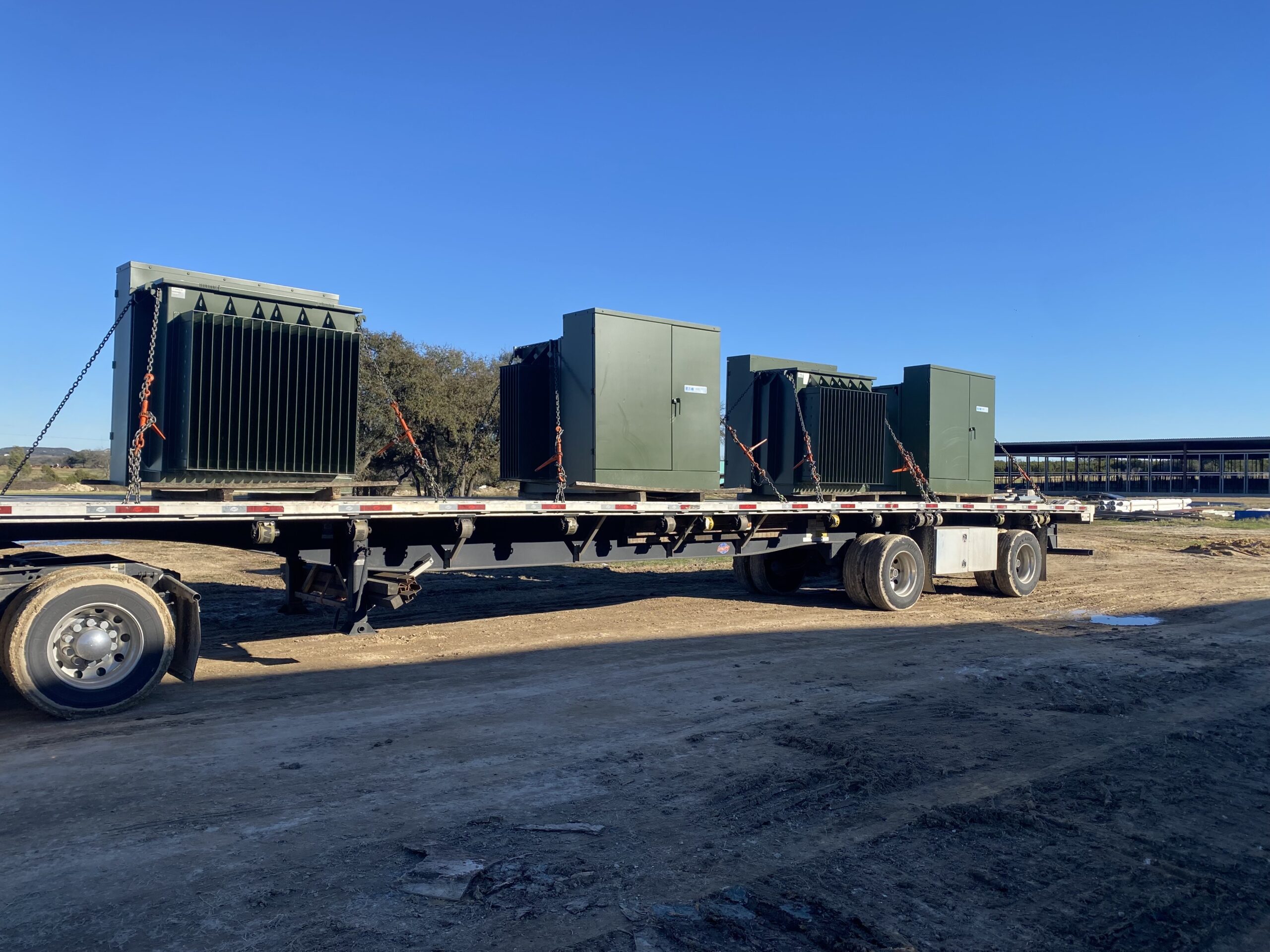
If the transformer is old, obsolete, damaged, leaking, incomplete, or non-working, send extra condition photos. Show the full transformer, then show close-ups of every issue. Include pictures of leaks, rust, dents, broken bushings, missing covers, damaged doors, fire damage, water exposure, cut wires, damaged coils, exposed parts, unreadable labels, and any areas that may affect safe handling. A buyer cannot review damaged equipment properly if the photos only show the best side.
Damaged transformers may still have parts, recovery, recycling, or package value, but condition must be clear. Do not avoid photographing damage because you are worried it will reduce the offer. Hidden damage can create bigger problems later. Clear photos allow Surplus Equipment Buyers to decide whether the transformer may be worth purchasing, whether more information is needed, or whether pickup would be practical.
Before paying for disposal or accepting a scrap-only price, consider sending a complete photo set for review. A transformer may or may not qualify for purchase, but good pictures give the seller a better chance of getting a useful answer. Call (951) 403-5738 and provide photos, nameplate information, location, condition notes, and pickup details so Surplus Equipment Buyers can review the opportunity.
Common Questions About What Pictures Should I Send When Selling a Transformer?
What pictures should I send when selling a transformer for a quote?
Send full-unit photos, a clear nameplate photo, front, back, side views, condition close-ups, damage photos, leak photos if applicable, and pickup-area photos.
Should I send a transformer nameplate photo?
Yes. A nameplate photo is one of the most important pictures because it shows the manufacturer, kVA, voltage, phase, serial number, and other key specifications.
Should I photograph transformer damage?
Yes. Photograph rust, leaks, missing parts, broken bushings, cut wires, fire damage, water exposure, dented tanks, damaged coils, and any other visible issues.
Should I send pictures of the pickup area?
Yes. Show truck access, loading docks, forklift access, gates, stairs, curbs, soft ground, narrow doors, overhead restrictions, and any obstacles that may affect pickup.
Can I send pictures if the transformer is still installed?
Yes, but only take safe photos. Do not open energized equipment, climb, disconnect, or move a transformer unless qualified professionals are handling the work.
Should I send photos of other electrical equipment?
Yes. If you have breakers, switchgear, panels, bus plugs, disconnects, valves, controls, wire, or other surplus equipment, include those photos because larger packages may create more buying options.
How do I contact Surplus Equipment Buyers after taking photos?
Call (951) 403-5738 or leave a message through the website with transformer photos, nameplate details, condition notes, location, and pickup information.
Send the Right Transformer Pictures for a Cash Quote Today
If you are still asking what pictures should I send when selling a transformer, contact Surplus Equipment Buyers with full-unit photos, a readable nameplate photo, condition pictures, pickup-area photos, location details, removal status, and any related equipment photos. Our team reviews used, surplus, removed, old, obsolete, damaged, and decommissioned transformers for sellers who want a practical path to recover value from electrical equipment.
Call (951) 403-5738 to discuss your transformer. Be ready to provide photos of the transformer, nameplate, condition, damage, pickup access, brand, kVA rating, voltage, phase, and location. If you have breakers, switchgear, panels, disconnects, valves, or other industrial equipment available, mention those items during the same conversation. Surplus Equipment Buyers may be able to review the transformer as part of a broader surplus equipment opportunity.
Do not let a transformer sit unused, block a project, take up storage space, or get undervalued because the buyer did not receive the right pictures. Surplus Equipment Buyers helps contractors, facility managers, electricians, demolition crews, property owners, and industrial sellers review transformers with clear communication and practical buying support. Call (951) 403-5738 today or send your transformer pictures through the contact page to begin the quote process.
